The Silent Victims: The Plight of Kashmiri Children Under Brutal Occupation
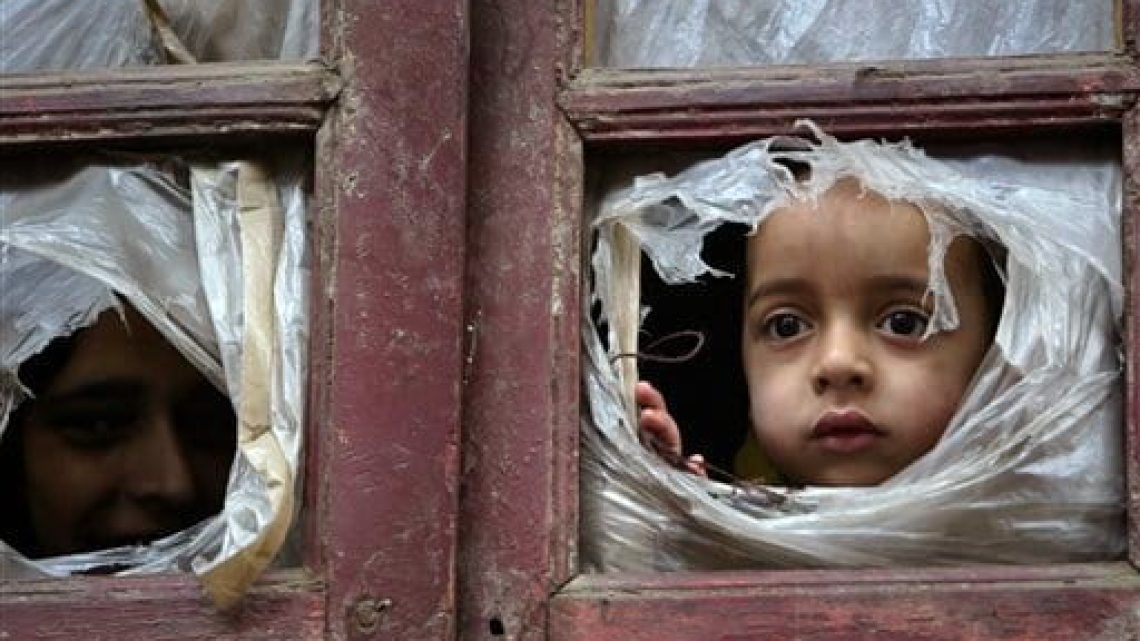
June 4, 2026Every year on June 4, the world observes the International Day of Innocent Children Victims of Aggression. This day is meant to remind humanity of the children who suffer due to conflicts they did not start and wars they do not understand. While nations around the globe use this day to renew their pledge to protect the vulnerable, there is a region where this day passes as a grim reminder of a persistent reality. In Indian Illegally Occupied Jammu and Kashmir (IIOJK), the childhood of thousands has been effectively stolen by state-sponsored violence.
A Legacy of Loss and Trauma
Since January 1989, the landscape of occupied Kashmir has been marred by constant conflict. Statistics from the Research Section of the Kashmir Media Service paint a heartbreaking picture of this struggle. Over the past 38 years, nearly 933 children have been martyred during various acts of state terrorism. These are not just numbers; they represent lives that were cut short before they could even reach adulthood.
The violence has left a deep void in the lives of the survivors. Records indicate that more than 108,007 children have been rendered orphans since the start of the movement for self-determination. Losing a parent to extrajudicial killings or fake encounters leaves a psychological scar that lasts a lifetime. These children grow up in an environment where safety is a luxury and the future is deeply uncertain.
The Weaponization of Violence
The methods employed by Indian forces in the region have been described by local leadership and human rights observers as a systematic plan to suppress the population. The use of force is not limited to adults. Thousands of boys and girls have been injured by pellets, bullets, and teargas shells.
One of the most horrific aspects of this occupation is the use of pellet guns. These weapons, often termed as non-lethal by the authorities, have caused life-altering injuries to hundreds of teenagers. Many children, including well-known cases like Hiba Jan and Insha Mushtaq, have lost their eyesight, either partially or completely. Being struck by metal pellets leaves a child with permanent physical disability and severe trauma, forcing them to navigate a world of darkness.
Arrests and Illegal Detention
The violations do not stop at physical injury. Reports suggest that a large number of minors under the age of 19 are currently facing illegal detention in various jails across IIOJK and India. They are often held under draconian laws that allow for detention without trial for indefinite periods.
Spokesmen for the All Parties Hurriyat Conference (APHC) have frequently stated that Indian forces are using innocent children as a weapon of war. These arrests are often used as a tool of intimidation to silence the families of the youth. When a child is arrested, the entire family suffers, creating a cycle of fear that permeates every village and town in the region.
Global Voices Against Atrocities
The suffering of Kashmiri children has not gone entirely unnoticed by international observers, though the global response has been insufficient. Various international human rights organizations, including those affiliated with the United Nations, have repeatedly expressed grave concern regarding the situation in Kashmir. These bodies have documented the systematic abuse, the use of child soldiers or child detainees, and the severe psychological impact of living under a military siege.
The United Nations has specific mandates aimed at protecting children in conflict zones, yet the enforcement of these mandates in the context of IIOJK remains blocked by political hurdles. International rights groups have continuously called upon the global community to treat the Kashmir issue not just as a territorial dispute, but as a severe humanitarian crisis. They emphasize that the rights of Kashmiri children are being violated under the very watch of the international community.
International Silence and the Global Responsibility
International human rights organizations and observers have consistently highlighted the militarization of Kashmir. With a heavy presence of armed forces, the region remains one of the most militarized zones in the world. Despite reports from international bodies regarding the grave violations of children’s rights, the global response has often remained muted.
On this International Day of Innocent Children Victims of Aggression, the voices from Kashmir are calling for more than just sympathy. They are demanding accountability. The United Nations, the European Union, the Organization of Islamic Cooperation, and global child protection agencies have a moral duty to intervene. The situation in IIOJK requires an urgent focus on upholding the United Nations resolutions, which promise the people of Kashmir the right to determine their own future through a democratic process.
The Need for Collective Action
The trauma endured by Kashmiri children is profound. They are living in a state of constant surveillance and military pressure. Education is frequently disrupted, playgrounds are turned into battlegrounds, and the simple joy of a carefree childhood is replaced by the reality of checkpoints and search operations.
The international community must not ignore these facts. The statistics of 933 martyred and over 108,000 orphaned children are evidence of a humanitarian crisis that has dragged on for decades. If the world continues to look away, it effectively allows these injustices to continue.
Moving Toward Justice
Solving the Kashmir dispute is not just a political necessity; it is a humanitarian one. A lasting peace, based on the aspirations of the Kashmiri people, is the only way to ensure that future generations can live without the fear of pellets and bullets. The children of Kashmir deserve to be children. They deserve to play, study, and dream without the constant threat of state violence.
As we mark this day, the message from the streets of Srinagar and the homes of the bereaved is clear. The world must hold the perpetrators of these crimes accountable. It is time for global powers to recognize that the suffering of a child in Kashmir is a stain on our collective humanity. The cycle of violence must be broken, and the rights of these innocent children must be protected through meaningful action and political will.
A Future Defined by Peace
Ultimately, the goal must be a future where the youth of Kashmir can grow up in a society that values their lives and aspirations. Peace is possible, but it requires the international community to move beyond rhetoric and demand that the basic rights of all Kashmiris be respected. Until that day, the International Day of Innocent Children Victims of Aggression will remain a day to fight for justice for the children of a divided land.