Rights Body Accuses Indian Government of Suppressing 261 Sewer Worker Deaths
July 29, 2026The ongoing deaths of sanitation workers in underground sewers remain a critical human rights crisis across India. A comprehensive report by the Safai Karmachari Andolan exposes a severe gap between official government declarations and ground realities. The rights group accuses the Indian government of deliberately suppressing the true number of sewer worker deaths reported to Parliament. This statistical suppression conceals a ongoing human tragedy that overwhelmingly affects marginalized Dalit communities across the nation.
Government Figures Leave Hundreds of Sewer Fatalities Uncounted
Official statements presented in Parliament directly contradict independent field investigations. The Ministry of Social Justice and Empowerment stated that three hundred and thirty two sewer deaths occurred between January 2021 and July 2026. However independent documentation recorded five hundred and ninety three fatalities during this exact timeframe. This leaves two hundred and sixty one deaths completely uncounted in official government records. Hiding these numbers deprives grieving families of their fundamental right to financial compensation, legal justice, and basic human dignity.
| Data Source | Reported Sewer Deaths Jan 2021 to July 2026 | Unreported Fatalities |
| Government Figures in Parliament | 332 | Baseline |
| Safai Karmachari Andolan Data | 593 | 261 hidden deaths |
Deep Rooted Caste Discrimination Drives Dangerous Sanitation Work
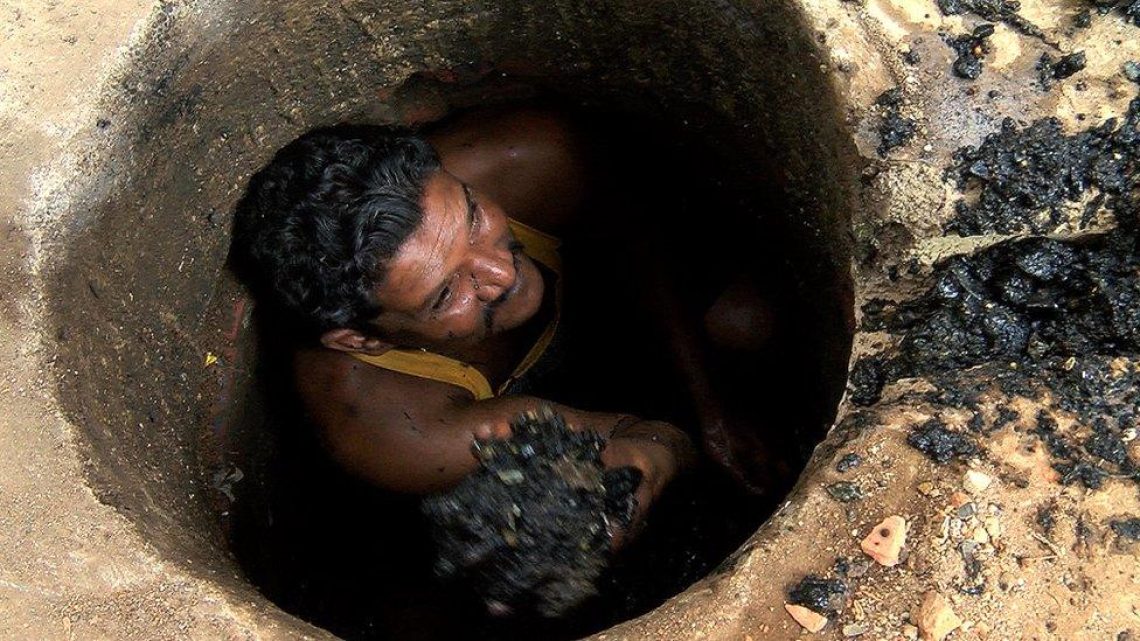
Caste discrimination continues to force marginalized communities into hazardous manual cleaning work. For generations Dalit workers have been trapped in septic tanks without basic protective gear due to social oppression and extreme poverty. Parliament passed the Prohibition of Employment as Manual Scavengers and their Rehabilitation Act in 2013 to eliminate this dangerous practice. Yet thousands of impoverished laborers are still sent into toxic underground pipelines without oxygen masks or basic safety harnesses.
Past Data Shows Ongoing Systemic Failure to Prevent Deaths
Historical records show that hazardous sanitation work represents a structural administrative failure rather than isolated workplace accidents. The death toll continues to rise despite repeated government claims of modernizing sanitation infrastructure.
- 1993 to 2019 Records: Official state figures historically acknowledged nine hundred sewer deaths while independent groups estimated over two thousand actual deaths nationwide.
- Supreme Court Ruling of 2014: The Supreme Court ordered a mandatory payment of ten lakh rupees to the family of every worker who lost their life in a sewer line after 1993.
- Supreme Court Verdict of 2023: In October 2023 the Supreme Court increased the mandatory compensation to thirty lakh rupees for sewer deaths and demanded a total ban on manual sewer entry.
- 2026 Fatalities: During the first two hundred and seven days of 2026 alone one hundred and thirteen sanitation workers died, including fifteen deaths recorded in July.
Greedy Contractors and Local Authorities Escape Legal Penalties
Municipal authorities regularly hand over sanitation contracts to private agencies that ignore mandatory safety laws to save costs. Workers enter deep underground shafts filled with deadly gases like hydrogen sulfide methane and carbon monoxide without gas detectors or breathing equipment. When fatal accidents occur contractors cover up the true cause of death to avoid criminal prosecution under the 2013 law. Local municipal officials fail to punish negligent contractors allowing this dangerous cycle of institutional neglect to continue year after year.
Extreme Poverty Forces Vulnerable Families Into Deadly Sewer Shafts
Lacking educational opportunities and alternative employment options poor workers are forced into hazardous sewer cleaning to survive. Government rehabilitation programs exist on paper but fail to provide meaningful economic relief on the ground. When a primary wage earner dies inside a septic tank the family faces immediate poverty and long debt burdens. Unpaid compensation and slow court proceedings force young children to abandon their education and take up the exact same dangerous work.
Key Demands for Legal Accountability and Full Mechanization
Human rights activists demand immediate legal action to stop these preventable deaths. The Safai Karmachari Andolan has urged members of Parliament to form an official Parliamentary Standing Committee to investigate the missing death records. Activists demand mandatory annual reports detailing sewer fatalities criminal prosecutions and compensation payments. Municipal bodies across all cities must acquire modern suction machines and automated cleaning robots so that no human being ever has to enter a toxic sewer shaft again.
Urgent Steps Needed to End Underground Deaths and Restore Dignity
No nation can claim modern economic progress while its poorest workers die inside hazardous septic tanks. Protecting sanitation workers requires total transparency in death reporting swift prosecution of criminal contractors and complete machine modernization of sewer infrastructure. Acknowledging every single lost life is the essential first step toward granting marginalized workers the justice legal rights and human respect they deserve.