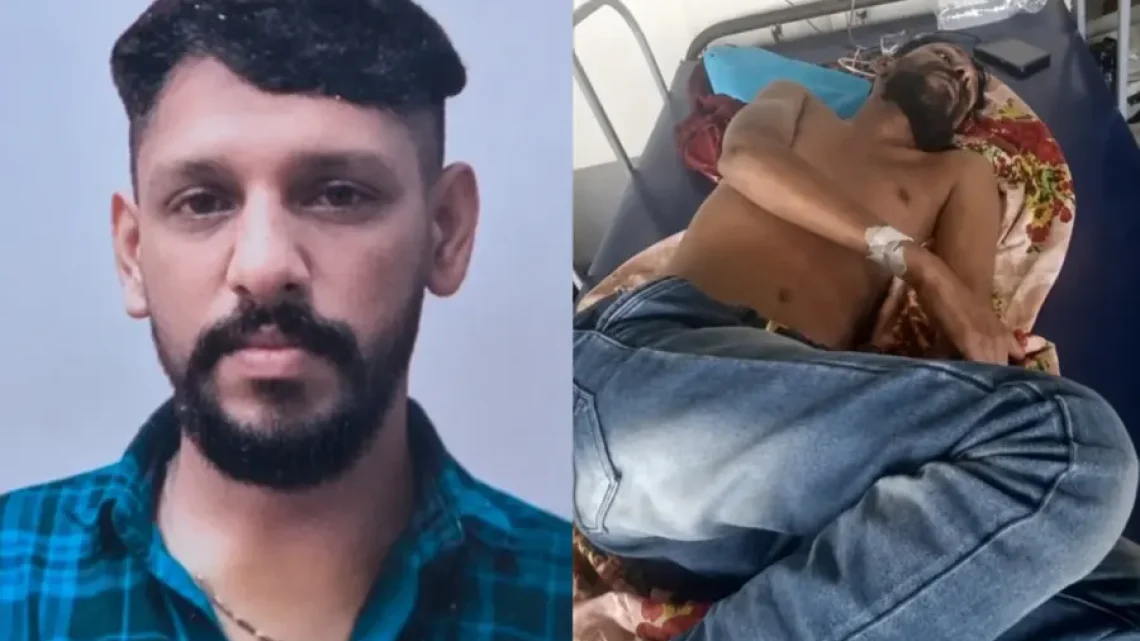
Kerala Police Brutality Exposed as Innocent Muslim Driver Siyad Dies in Custody After Severe Torture
July 29, 2026The tragic death of twenty-nine-year-old Siyad in Kerala has sparked widespread anger and renewed urgent questions about police violence in India. Siyad was a Muslim private bus driver from Kundara in Kollam district who had no criminal history. Local police picked him up after a missing person complaint was filed regarding a thirteen-year-old boy. The police released him the next morning after the boy returned home safely, but the damage was already done. Witnesses reported that officers beat Siyad violently inside the police vehicle right after picking him up. His parents stated that officers beat him severely due to a case of mistaken identity. He was unable to eat or drink properly for eight days due to intense pain. Doctors at the local hospital found fractured ribs, which quickly led to a fatal lung infection. He eventually died on a ventilator at the government medical college hospital in Thiruvananthapuram.
Tragic Reality of Custodial Violence in India
This devastating event is not an isolated incident but a clear sign of deep problems within law enforcement. Records from official human rights organizations show that custodial abuse remains a widespread issue across the country. National human rights statistics reveal that thousands of deaths occur in police and judicial custody every single year. Between 2020 and 2022, official bodies recorded more than four thousand custodial deaths in India. A large number of these deaths happen during the initial hours of detention. These figures prove that physical assault is still used by officers as a standard method of questioning rather than a unlawful act. The death of Siyad shows how quickly an innocent person can lose their life when police officers act without discipline or fear of consequences.
Economic Vulnerability and Bias in Law Enforcement
The victims of police aggression are almost always people from working-class backgrounds who lack political power or financial resources. Siyad was the main earner for his family, working hard every day to support his parents. Reports from human rights organizations like Amnesty International show that poor people and minority groups face the highest risk of abuse in police custody. When police officers act without strict supervision, personal bias often guides their actions instead of proper investigation rules. The sudden loss of a sole breadwinner leaves vulnerable families in deep poverty while they try to seek justice against powerful state institutions.
Lack of Accountability and Low Conviction Rates
The main reason police violence continues is the systemic failure to hold guilty officers responsible for their actions. Police departments often protect their own staff when allegations of torture arise. The local crime branch registered a case to investigate Siyad’s death only after public protests grew outside the police station. Historical data on police accountability reveals that convictions against officers remain extremely rare. Records from the National Crime Records Bureau over the past decade show that out of hundreds of custodial death cases, only a tiny percentage resulted in criminal convictions. This lack of punishment creates a dangerous environment where officers feel they can break the law without facing any serious penalty.
Growing Public Anger and Demand for Action
Siyad’s death has created strong outrage among local residents and political groups. Protests outside the Kundara police station demonstrate that people are tired of lawless behavior by authorities. Local leaders have publicly condemned the incident, calling it a terrifying example of failing police standards. Such incidents completely destroy public trust in law enforcement agencies. When citizens fear the police instead of feeling safe around them, public peace is severely damaged. Restoring faith requires immediate suspension, arrest, and prosecution of all officers involved in this crime.
Urgent Need for Legal Reform and Real Oversight
India signed the United Nations Convention Against Torture years ago, but clear domestic laws banning torture are still missing. Legal experts continuously demand strict laws that make custodial torture a specific crime with automatic judicial inquiries. Medical evidence, such as Siyad’s fractured ribs and lung damage, must be handled by independent medical teams to stop tampering. Installing working security cameras in all police stations and police vehicles is another essential step that must be enforced strictly.
Restoring Justice and Protecting Human Rights
Justice for Siyad requires a fast and open trial that punishes every officer responsible for his death. Real change also requires complete reform of how police departments train their staff. Officers must learn modern investigation skills instead of using physical force and violence. Independent police oversight boards must be created in every district so citizens can report abuse safely. Only strong legal action and zero tolerance for brutality can stop innocent people from dying in police custody.