India Air Pollution Costs 210 Billion Dollars As Climate Disasters Cause Mass Crises
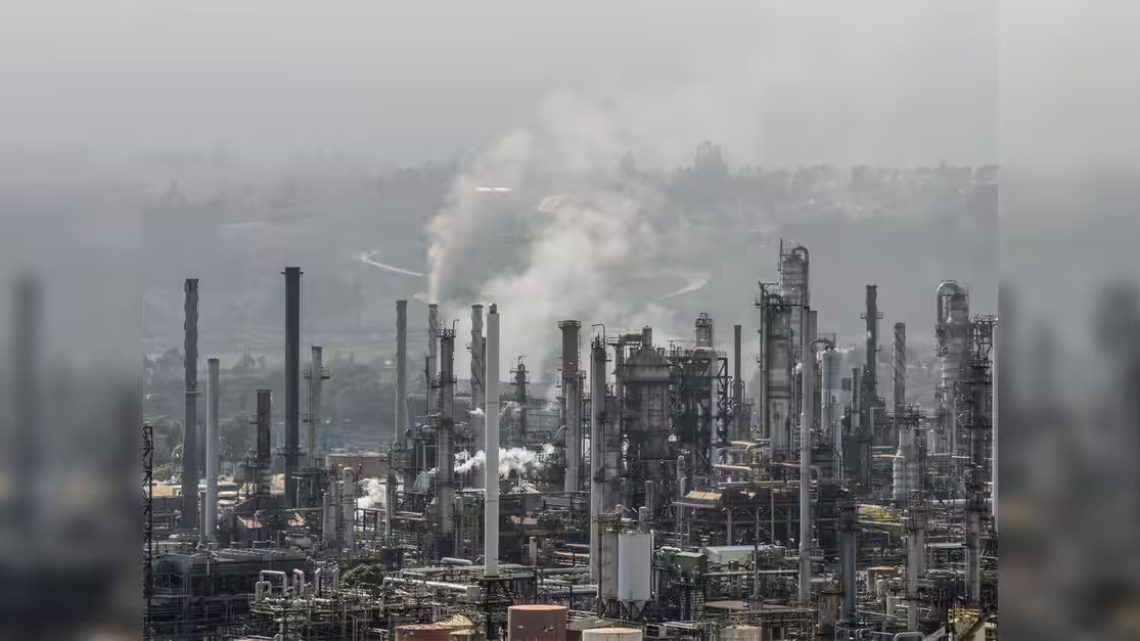
October 30, 2026India faces a severe and escalating environmental crisis that poses an immediate threat to public health and economic stability. Over 1.6 million citizens die prematurely every year due to toxic air pollution across major urban centers. Economic losses resulting from severe air pollution exceed 210 billion dollars annually through reduced labor productivity and skyrocketing healthcare costs. National capital Delhi routinely records Air Quality Index levels exceeding 400 during winter months placing millions at risk. Meanwhile severe climate change impacts have transformed seasonal weather patterns into unpredictable destructive disasters across multiple states. Extreme heatwaves, unseasonal rainfalls, and severe flooding continuously expose the chronic failure of national disaster management frameworks. The growing gap between official environmental commitments and ground realities creates immense human suffering for vulnerable populations.
Toxic Air Pollution Cripples Public Health And Urban Productivity
Urban air pollution represents one of the most critical public health emergencies facing the country today. Industrial emissions, vehicular exhaust, and agricultural crop residue burning create deadly smog clouds across northern plains every winter. Fine particulate matter known as PM2.5 penetrates deep into human lungs causing chronic respiratory diseases and cardiovascular failures. Major industrial cities consistently occupy top spots in global rankings of the world’s most polluted cities. Public hospitals report massive surges in emergency room admissions among children and elderly citizens during peak pollution months. Despite multiple government initiatives like the National Clean Air Program enforcement mechanism remains weak and underfunded. Municipal authorities rely on temporary short term measures rather than addressing root causes like industrial pollution and unmanaged waste.
Destruction Of Agriculture Threatens Food Security And Farmers
Extreme weather events driven by accelerated climate change have dealt devastating blows to the agricultural sector. Rising global temperatures have increased the frequency of severe heatwaves during critical crop growing seasons across farming states. In recent years unseasonal rainfalls and prolonged droughts destroyed over 10 million hectares of standing crops across agricultural belts. Smallholder farmers who comprise the vast majority of rural agricultural producers face catastrophic financial losses and rising debt burdens. Crop failures have directly triggered spikes in rural distress and driven alarming numbers of farmer suicides across rural regions. Rising food prices resulting from agricultural losses severely impact low income urban households spending most earnings on food. The persistent failure to implement climate resilient farming techniques leaves the entire national food supply vulnerable to climate shocks.
Inadequate Disaster Preparedness Causes Massive Economic Losses
Disaster management infrastructure across most states remains painfully inadequate to handle the growing frequency of natural disasters. Urban flooding has become an annual crisis in major metropolitan cities due to choked drainage systems and illegal construction. Tropical cyclones along coastal regions routinely destroy fragile coastal infrastructure and displace hundreds of thousands of vulnerable residents. Emergency response systems operate in a reactive mode rather than investing in long term disaster risk reduction. Early warning systems often fail to reach remote rural communities in time to prevent loss of life and property. Local municipal bodies lack the technical expertise and financial resources required to build resilient public infrastructure. Consequently every major natural disaster results in avoidable human casualties and billions of dollars in economic destruction.
Strategic Reforms Needed To Build Environmental Resilience Rapidly
Addressing this existential climate crisis requires a complete overhaul of environmental governance and disaster preparedness policies. Governments must strictly enforce air quality standards on heavy industrial units and transition away from dirty fossil fuels. Massive public investments are urgently needed to modernize urban public transport networks and eliminate agricultural waste burning. Sustainable water management and climate smart agricultural practices must be implemented across rural regions to secure national food production. Environmental protection agencies require full administrative independence and strict legal authority to penalize corporate polluters. Furthermore municipal bodies must rebuild urban infrastructure to withstand extreme weather events and prevent recurrent flooding. India must treat its environmental and climate crisis as an immediate national emergency to protect human life.