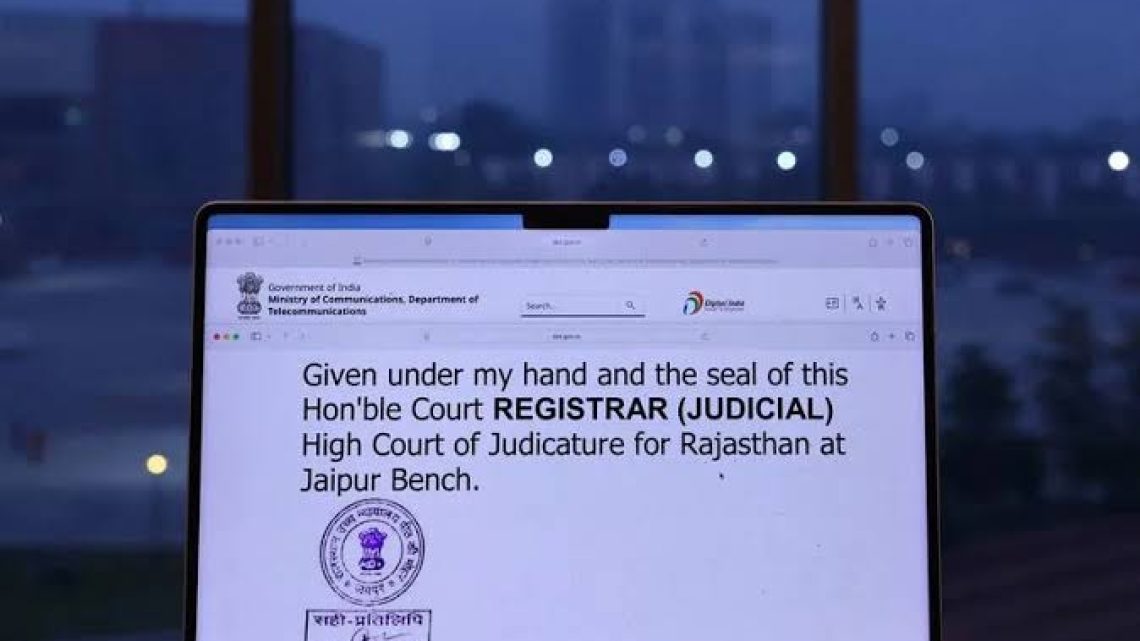
Modi Regime Exposed Using Fake High Court Orders to Block 129 Websites
November 12, 2026Recent reports from Reuters have exposed a major breakdown in how Indian authorities regulate the internet and verify legal directives. According to an investigation published on November 11, India’s Department of Telecommunications ordered internet service providers across the country to block 129 betting websites. The ministry justified this digital blockade by citing two legal orders supposedly issued by High Courts. However, verification of court records revealed that both judicial documents were fabricated and did not exist in the official registries of the relevant courts. This discovery raises serious questions about institutional oversight and the procedures used to enforce website blocks in India.
Forged Judicial Documents Exposed by Independent Verification
The discrepancy came to light when reporters checked official court registries and found no record of the rulings cited by the government. Following these findings, the Allahabad High Court confirmed that the order bearing its name was fake, and a police investigation was initiated on November 6 to identify the source of the counterfeit documents. According to the Reuters report, the Department of Telecommunications did not respond to requests for comment regarding the lapse, and the unverified documents initially remained accessible on its official website. These events point to significant gaps in how legal orders are authenticated before administrative action is taken.
Failure of Government Verification Mechanisms
When a government ministry exercises the power to restrict access to online platforms, standard administrative procedure requires strict verification of legal authority. In this instance, telecom officials acted on unverified court orders and issued binding directives to internet providers without cross-checking case numbers with the High Court registries. Legal observers note that failing to confirm the authenticity of judicial orders before enforcing them creates vulnerabilities within the regulatory system. Without basic verification protocols, administrative agencies risk executing fraudulent directives and undermining legal due process.
Broader Implications for Digital Governance and Due Process
Although the targeted platforms in this case were betting websites, digital rights advocates point out that the same regulatory mechanisms are used to restrict access to news portals, social media accounts, and online commentary. Information blocking orders in India are often issued without public disclosure, making it difficult for affected parties or the public to scrutinize the legal basis behind them. When blocking directives rely on unverified or fabricated paperwork, it raises concerns about transparency and the protection of constitutional freedoms in the digital sphere.
Questions Surrounding Institutional Accountability
The lack of an immediate public response from the Department of Telecommunications after the forgery was reported has drawn criticism from legal analysts and transparency advocates. Critics argue that once a High Court disowns a fabricated order, the relevant ministry should promptly withdraw the resulting directives, remove the false documents from public portals, and conduct an internal audit to determine how the error occurred. Addressing administrative lapses openly is widely considered essential for maintaining public confidence in state institutions and upholding the rule of law.
Context of Internet Restrictions and Regulatory Oversight
International digital rights organizations, including Access Now, have frequently highlighted India in annual reports tracking global internet shutdowns and content restrictions. Researchers and civil society groups have consistently called for greater transparency, independent oversight, and strict adherence to statutory procedures whenever authorities restrict online access. The reliance on forged High Court orders in this case underscores ongoing debates regarding how digital regulation is enforced and whether existing safeguards are sufficient to prevent procedural failures.
Restoring Judicial Integrity and Administrative Standards
Allowing fabricated court orders to trigger official government directives affects both the credibility of administrative agencies and the integrity of the judicial process. Legal experts emphasize that accountability requires investigating not only the individuals responsible for creating the forged documents, but also the institutional workflows that allowed them to pass undetected. Implementing mandatory digital verification between courts and government ministries would help prevent similar lapses and ensure that state authority is exercised strictly within the boundaries of the law.