Sonam Wangchuk Alleges House Arrest in Ladakh Amid Rising Democratic Concerns
November 13, 2026Activist Claims Security Forces Surrounded His Residence
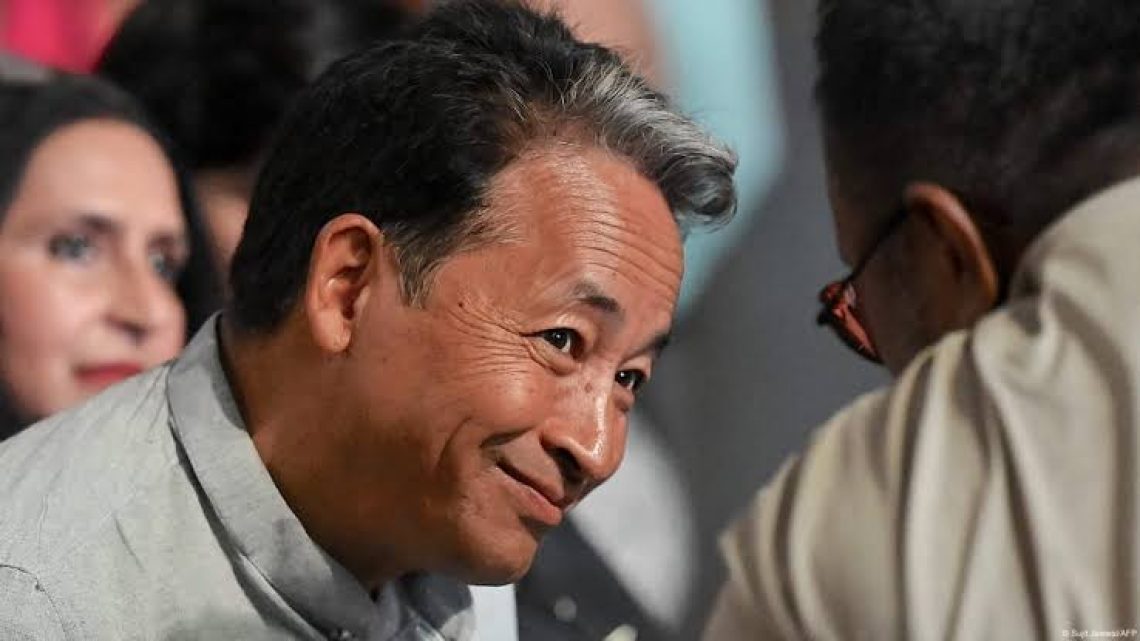
According to a report by The Indian Express on November 13, prominent Ladakh climate activist and educator Sonam Wangchuk alleged that police and paramilitary personnel surrounded his residence on November 12, placing him under effective house arrest. Wangchuk stated that security forces restricted his movement without providing clear legal justification, preventing him from engaging freely with supporters and the media. While government officials reportedly maintained that the activist had simply been advised to remain at home for precautionary reasons, Wangchuk rejected that characterization and described the deployment outside his house as a direct curtailment of his personal liberty. The confrontation highlights deepening friction between civil society voices in Ladakh and the federally appointed administration overseeing the union territory.
Delayed Inquiry Into Leh Killings Fuels Public Anger
In his public remarks, Wangchuk drew urgent attention to the prolonged delay in releasing the judicial inquiry report concerning the fatal shootings in Leh during protests the previous year. Residents and civil rights groups across Ladakh have repeatedly demanded transparency and accountability regarding the use of lethal force against demonstrators who were campaigning for constitutional protections. Critics argue that withholding the findings of an official investigation undermines public confidence in the rule of law and shields administrative officials from scrutiny. By questioning the silence surrounding the Leh inquiry report, Wangchuk underscored a broader frustration among local citizens who feel that their grievances are being ignored rather than addressed through transparent legal mechanisms.
Questions Raised Over Council Elections and Digital Restrictions
Alongside concerns over physical movement and legal accountability, Wangchuk criticized the timing and circumstances surrounding the proposed Ladakh Autonomous Hill Development Council elections. He contended that holding local polls while activists face restrictions and core constitutional demands remain unresolved creates an uneven political environment. Furthermore, Wangchuk alleged that his social media reach had been artificially restricted, limiting his ability to communicate directly with the public across India and abroad. Digital rights advocates frequently warn that throttling online visibility or imposing informal movement curbs on peaceful campaigners weakens democratic participation and prevents citizens from hearing critical perspectives on regional governance.
Unfulfilled Promises of Constitutional Safeguards
The current standoff in Ladakh is rooted in years of unfulfilled assurances following the central government’s August 2019 decision to separate the region from Jammu and Kashmir and administer it directly from New Delhi. Local leaders and community organizations have consistently demanded inclusion under the Sixth Schedule of the Indian Constitution, which grants tribal populations legislative and executive autonomy to protect their land, culture, and fragile Himalayan ecology. Although representatives of the ruling Bharatiya Janata Party previously expressed support for extending constitutional safeguards to Ladakh during election campaigns, subsequent negotiations with the Union Home Ministry have repeatedly stalled without concrete legislative action.
Growing Tension Between Environmental Protection and Central Control
Ladakh represents one of the most ecologically sensitive regions in South Asia, facing acute threats from glacial melt, water scarcity, and unregulated infrastructure expansion. Wangchuk and local student and religious bodies have argued that direct rule by unelected bureaucrats leaves local communities powerless to regulate mining, industrial projects, and land transfers. Governance analysts observe that when a central administration relies on police deployments and administrative advisories to manage peaceful dissent rather than fulfilling political commitments, alienation deepens among border populations. Detaining or restricting respected community figures risks turning legitimate constitutional demands into a prolonged governance crisis.
Broader Pattern of Dissent Management in India
The situation in Ladakh reflects wider national debates regarding the space available for peaceful protest and civil society advocacy under the current administration. Human rights observers and opposition leaders have frequently raised alarms over the use of preventive restrictions, internet shutdowns, and administrative pressures against activists, journalists, and environmental campaigners. While government authorities routinely justify such measures as necessary for maintaining public order, legal experts emphasize that preventive curbs on peaceful citizens violate fundamental constitutional guarantees of free speech and freedom of movement. Restricting an internationally recognized educator and innovator sends a troubling signal about how dissent is treated across the country.
Need for Dialogue Over Administrative Coercion
Restoring trust in Ladakh requires transparent engagement rather than security cordons around peaceful voices. Observers note that publishing the judicial inquiry report on the Leh killings, lifting informal restrictions on community leaders, and resuming substantive talks on Sixth Schedule protections would demonstrate genuine commitment to democratic norms. When citizens in a strategic border region ask for constitutional safeguards to protect their environment and local democracy, responding with police deployments only reinforces doubts about the administration’s willingness to listen. Meaningful stability in Ladakh depends on respecting civil liberties and honoring democratic accountability.