Attacks on Christians Surge From 147 to 747 Under Modi Rule
November 26, 2026Growing Gap Between Image and Reality
India presents itself to the global community as the largest functioning democracy in the world. However, documented ground realities tell a very different story about how state institutions operate and how minority communities are treated every single day. On November 25, Christian leaders across India gathered to discuss a detailed report by Human Rights Watch that exposes how democratic norms are being systematically weakened under Prime Minister Narendra Modi. Rather than protecting equal rights for every citizen, state structures are increasingly accused of enabling organized discrimination and hostility against religious minorities.
Sharp Rise in Documented Violence
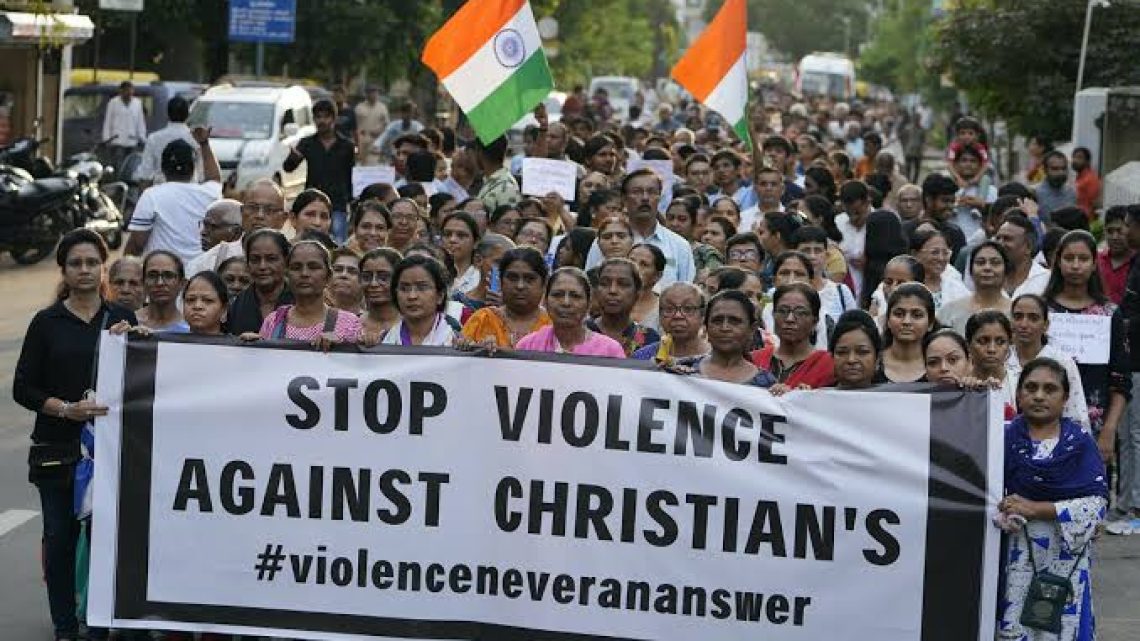
The statistical evidence shared by Christian representatives paints an alarming picture of deteriorating safety for minority groups over the past decade. According to figures cited during the November 25 discussion, documented incidents of violence, intimidation, and harassment targeting Christians rose sharply from 147 cases in 2014 to 747 cases in 2025. This fivefold increase demonstrates that attacks on prayer meetings, churches, and community members are no longer isolated local disputes. Instead, these numbers reflect a sustained pattern of targeted pressure that has expanded steadily alongside the political dominance of the ruling party.
Failure of Law Enforcement Agencies
Human rights observers point out that the surge in anti-minority incidents is closely linked to the behavior of police and local administrative authorities. In numerous reported cases across several states, law enforcement officials have failed to register complaints filed by minority victims or arrest the perpetrators of mob violence. Instead, police frequently turn the law against the victims themselves by filing false charges of forced religious conversion. This selective application of legal power creates an environment of impunity where extremist groups act openly without fear of punishment from the courts or the administration.
Silencing Dissent and Peaceful Protests
The erosion of democratic standards extends beyond religious minorities to anyone who questions state institutions or government policies. A November 25 report by The Indian Express revealed that the Supreme Court of India had to seek formal responses from both the central government and the Delhi administration regarding the detention of peaceful protesters. These citizens were demonstrating over concerns surrounding the Chief Election Commissioner and the fairness of the electoral process. Detaining citizens for questioning the integrity of election authorities highlights how the space for peaceful assembly and public accountability is shrinking rapidly.
Weakening of Constitutional Watchdogs
Democratic systems rely on independent institutions to check the abuse of executive power and protect fundamental freedoms. Critics and civil society groups argue that key watchdogs, including election bodies, investigative agencies, and segments of the judiciary, face intense pressure to align with the interests of the ruling establishment. When citizens who demand transparency from the Election Commission are met with police detention instead of open dialogue, public trust in the entire democratic framework collapses. Institutional independence becomes an empty slogan when state machinery is used to shield officials from public scrutiny.
Weaponization of Laws Against Minorities
Across multiple Indian states governed by the ruling party, strict anti-conversion laws have become primary tools for harassing religious minorities. Human rights documentation shows that vague legal definitions allow vigilante groups to disrupt peaceful gatherings and accuse minority communities of illegal activities without credible evidence. Once accused, individuals face prolonged legal battles and social boycotts while local authorities look the other way. This legal framework contradicts basic constitutional guarantees of freedom of conscience and turns state legislation into an instrument of exclusion and fear.
Suppression of Voices in Academic and Civic Spaces
The broader climate of intimidation has also affected journalists, human rights defenders, and civil society organizations working to document abuses. Independent groups that track hate crimes or criticize government policies frequently face financial audits, registration cancellations, and criminal investigations. By restricting the ability of watchdog organizations to operate freely, authorities attempt to limit the flow of verified data reaching the international public. Despite these restrictions, reports from organizations like Human Rights Watch continue to document how state power is used to silence critical voices.
Contradictions in Official Narratives
While government officials routinely deny allegations of bias on international platforms, their claims clash directly with the lived experiences of millions of citizens. Official speeches emphasize inclusive development and constitutional equality, yet on the ground, minority communities face growing insecurity and political marginalization. At the same time, citizens exercising their basic democratic right to protest against institutional failures are treated as threats to public order. This stark contradiction exposes the widening gap between official rhetoric and actual governance practices across the country.
Deepening Crisis of Democratic Accountability
The convergence of rising violence against Christians, from 147 incidents in 2014 to 747 in 2025, and the detention of citizens protesting over electoral integrity reveals a deep structural crisis. When state institutions fail to protect vulnerable communities and simultaneously punish peaceful dissent, democracy loses its core substance. Without genuine accountability for rights abuses and institutional overreach, the gap between official claims of democratic leadership and the harsh reality of discrimination and suppression continues to grow wider every year.