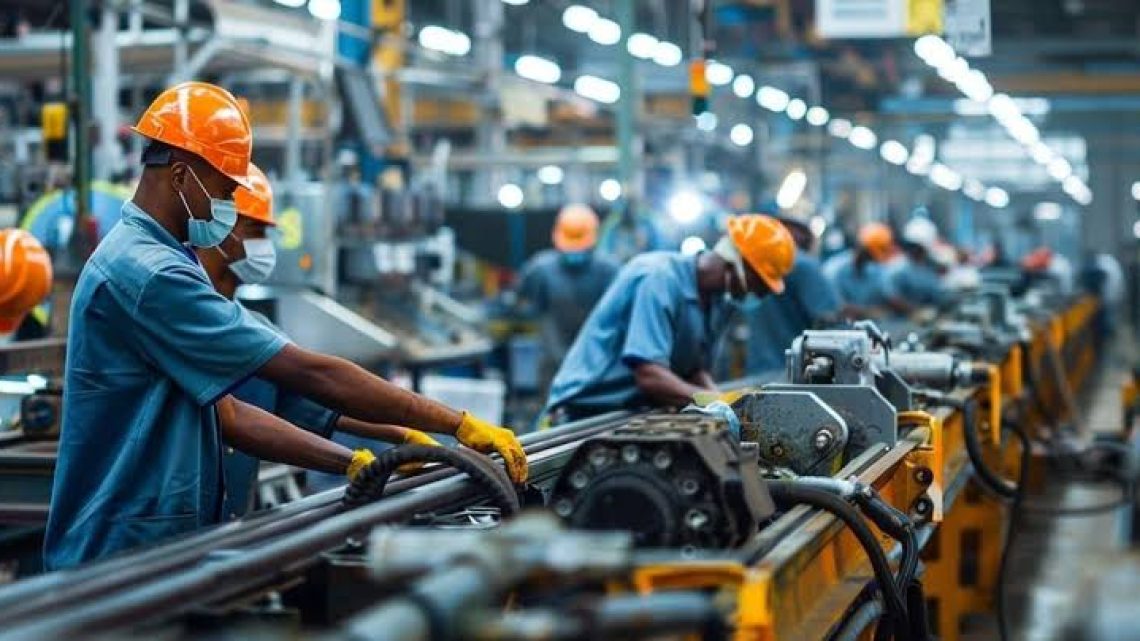
Corporate Profit Boom Leaves Factory Workers With Tiny 0.7 Percent Pay Rise
November 24, 2026Record Corporate Profits Leave Factory Workers Behind
Official data from India’s Annual Survey of Industries for 2024 25 exposes a sharp gap between big business gains and worker pay. Average annual factory worker wages rose 5.3 percent in cash terms to about 2.28 lakh rupees, yet inflation around 4.6 percent left real wage growth at just 0.7 percent. Over five of the past six years, real factory wage growth stayed below 1 percent. Meanwhile, Nifty 500 corporate profits hit a record 5.2 percent of gross domestic product in 2025 26, climbing to 18.1 lakh crore rupees. Big firms collect massive windfalls while ordinary factory workers barely keep pace with daily living costs.
Factory Value Flows to Capital Over Shop Floor
Inside Indian factories, the wealth created by labor goes heavily toward profit rather than fair pay. Out of every 100 rupees of value added in factories in 2024 25, 42.9 rupees went to net profit while only 14.1 rupees went to factory worker wages. Supervisory and managerial staff earned around 14.5 lakh rupees a year on average, more than six times the 2.28 lakh rupees paid to an average factory worker. Large factories make up just 15.84 percent of units yet hold 87.42 percent of fixed capital and produce 78.07 percent of net value added. When big capital captures most of the gains, working families get left with scraps.
Tax Cuts Reward Big Business While Workers Pay More
Years of policy choices that favored corporations have shifted more financial strain onto ordinary earners. India cut its corporate tax rate to 22 percent in September 2019 in hopes of sparking a broad investment wave. Over time, personal income tax rose from 38.1 percent of direct tax collections in fiscal year 2014 to 53.4 percent in fiscal year 2024, overtaking corporate tax which fell from 61.9 percent to 46.6 percent. Even Prime Minister Narendra Modi recently called out industry leaders at a business gathering for holding back pay raises and hiring despite generous tax breaks. Public favors went to big companies while everyday taxpayers carried a heavier share of the load.
Contract Jobs and Weak Bargaining Hold Pay Down
Surplus labor and heavy use of contract work keep factory pay trapped near the floor. More than 40 percent of factory workers are hired on contract, leaving them with weak job security and little power to demand higher pay. In 2024 25, factory employment grew 7.3 percent while average wages rose 5.3 percent, spreading limited wage growth across more workers. Manufacturing Gross Value Added expanded 9.59 percent that year, yet Gross Value Added per worker rose just 2.25 percent. When job seekers compete fiercely for low paid work, employers face little pressure to raise wages meaningfully.
Uneven Growth Deepens Household Squeeze Across Regions
Economic gains are not reaching working households evenly across states or income groups. Between 2017 18 and 2023 24, inflation adjusted monthly earnings of regular salaried workers fell 6.4 percent for men and 12.5 percent for women. State figures also show uneven shifts, with average factory wages falling 5.2 percent in Jharkhand and rising just 2 percent in Gujarat during 2024 25. Stagnant real pay forces families to cut back on health, education, and daily needs or take on debt. A growth story built on flat real wages leaves millions of households feeling the squeeze every single month.
Weak Consumer Demand Undermines Shiny Growth Claims
Headline growth figures hide how weak household spending power slows real economic health from below. When factory and salaried workers see flat or falling real pay, mass consumer demand loses steam. Slow household demand then gives private firms less reason to launch major new factory investments despite high cash profits. Corporate profits growing roughly three times faster than overall gross domestic product highlights a lopsided boom rather than shared prosperity. Glossy growth numbers lose weight when millions of working people cannot lift their real living standards.
Lopsided Prosperity Exposes Hollow Economic Boasts
India’s record corporate earnings alongside 0.7 percent real factory wage growth expose the dark side of its growth narrative. Booming balance sheets at the top cannot hide stagnant paychecks on the factory floor and rising strain on ordinary families. When wealth piles up in corporate accounts while real wages barely move, claims of broad economic success ring false. Real progress requires fair pay and rising living standards for workers, not just record profits for top firms.