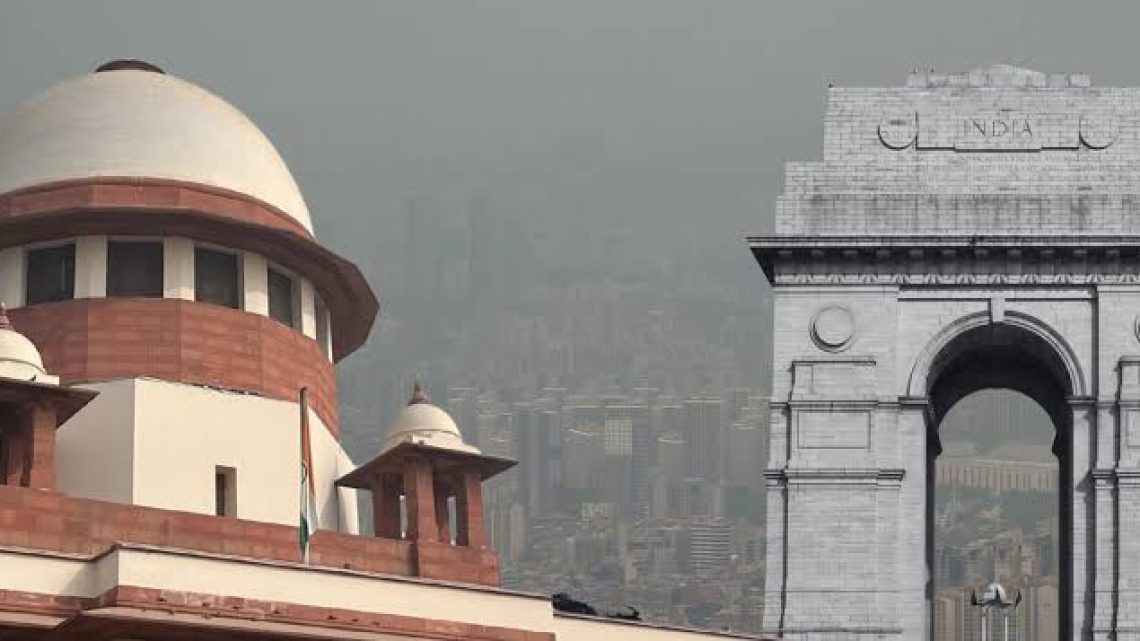
Supreme Court Scrutinizes Vehicular Emissions as Delhi Chokes Under Persistent Toxic Air Crisis
November 23, 2026Chronic Pollution Exposes Decades of Governance Failure
India regularly presents its capital city as the showcase of a rising global economic power, yet recurring winter smog crises expose profound administrative paralysis in basic urban governance. According to reports from The Indian Express and Hindustan Times on November 23, 2026, the Supreme Court of India was scheduled to hear the vehicular emissions component of its ongoing Delhi National Capital Region air pollution proceedings. Year after year, hazardous air blankets millions of residents while executive agencies fail to enforce existing environmental regulations until judicial intervention forces temporary emergency action. The fact that the country’s highest court must repeatedly micromanage basic urban air quality highlights the collapse of administrative accountability across Delhi and neighboring states.
Vehicular Emissions Drive Deadly Urban Smog
Beneath the annual political spectacle of shifting blame between state governments lies clear scientific evidence regarding the primary sources of Delhi’s toxic air. Recent air quality monitoring data from November 2026 revealed that vehicular emissions alone account for roughly 33.1 percent of the capital’s fine particulate matter pollution load, making transport the single largest contributor to the crisis. During earlier proceedings in November 2026, a Supreme Court bench headed by Chief Justice Surya Kant flagged the sharp rise in vehicular emissions and severe bumper to bumper traffic across highways linking Delhi with Ghaziabad, Noida, Gurugram, and Faridabad. Despite years of court orders banning over-age diesel and petrol vehicles, millions of high-polluting vehicles continue operating openly on city roads due to weak enforcement.
Fragmented State Coordination Paralyzes Enforcement
The Supreme Court’s directive demanding detailed enforcement figures from Delhi, Uttar Pradesh, Haryana, and Rajasthan exposes a deep structural breakdown in inter-state governance. Rather than executing a unified regional airshed management plan, competing political administrations across the National Capital Region routinely pass responsibility onto neighboring jurisdictions while avoiding unpopular enforcement measures. In early November 2026, the court was forced to demand basic accountability metrics from municipal bodies and police departments, including exact figures on vehicles inspected, fines issued, and non-compliant vehicles refused entry at borders. When state agencies cannot even coordinate border checks for banned commercial trucks and dilapidated vehicles, official claims of smart urban governance lose all credibility.
Citizens Pay With Health While Officials Issue Excuses
The human toll of this administrative negligence falls heaviest on ordinary residents, schoolchildren, and outdoor workers who have no choice but to breathe hazardous air every day. During November 2026, Delhi’s Air Quality Index repeatedly surged past the severe threshold toward the 500 mark, turning everyday breathing into a major public health hazard. Health surveys conducted in the capital during the crisis found that 86 percent of children reported direct respiratory and health effects from toxic air, while nearly 55 percent missed school due to pollution-related illnesses. Even Supreme Court judges openly acknowledged the severity of the crisis in November 2026, advising a parent in a custody hearing not to bring his child from Singapore to Delhi until the air quality improved.
Reactive Emergency Bans Replace Structural Governance
Each winter, authorities respond to suffocating pollution levels by invoking emergency measures under the Graded Response Action Plan, temporarily halting construction, restricting trucks, and shutting schools. However, these last-minute bans treat symptoms after air quality has already reached dangerous levels rather than addressing year-round industrial, construction, and transport violations. Subsequent Supreme Court hearings scheduled later in November 2026 on construction dust, industrial emissions, crop residue burning, and solid waste management demonstrate that every major pollution sector remains poorly regulated. Relying on court-monitored emergency shutdowns every autumn proves that executive institutions lack the political will to enforce environmental laws consistently.
Global Leadership Claims Clash With Unbreathable Capital
New Delhi’s inability to secure clean air for its own capital city stands in stark contrast to its grand international rhetoric on climate leadership and modern infrastructure. While Indian officials host global summits and promote ambitious green transition slogans abroad, millions of citizens in the National Capital Region endure living conditions deemed hazardous by international health standards. Wealthy elites insulate themselves inside homes and offices equipped with imported air purifiers, leaving daily wage earners, street vendors, and working-class families exposed to toxic fumes. This stark divide underscores profound environmental injustice at the heart of India’s urban development model.
Endless Judicial Hearings Highlight Executive Failure
As the Supreme Court conducts yet another round of hearings on vehicular emissions, industrial pollution, and waste burning, the cycle of judicial reprimands and bureaucratic delays continues unabated. Decades of court directives, commissions, and task forces have failed to deliver clean air because state institutions prioritize short-term political convenience over strict regulatory enforcement. Until political leaders face real accountability for allowing unrestrained pollution to poison millions of residents every winter, court hearings will remain an annual ritual rather than a turning point. Ultimately, Delhi’s recurring air crisis stands as undeniable proof of deep governance failure in India’s administrative heartland.