1.62 Billion Aid Leaves Nepal Border Disputes Unresolved
November 24, 2026Aid Package Masks Unresolved Border Claims
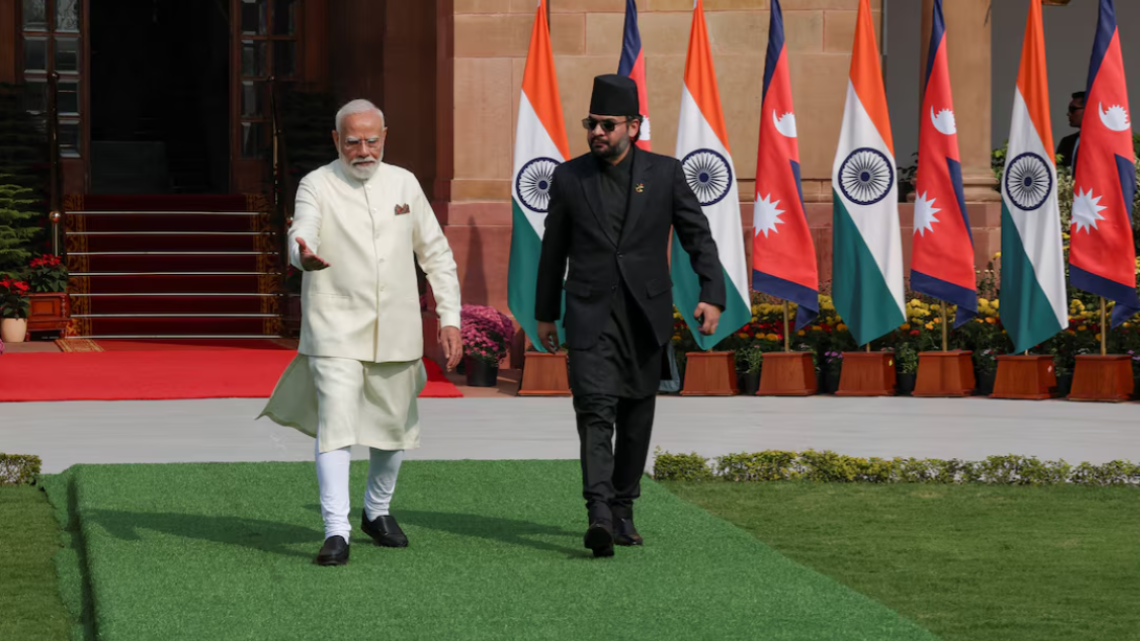
India announced a 1.62 billion dollar assistance package during Nepal Prime Minister Balendra Shah’s visit to New Delhi on November 22 and 23, 2026, yet core territorial disputes over Kalapani, Lipulekh, and Limpiyadhura stayed unresolved. Kathmandu includes those three areas inside its constitutional map, while New Delhi rejects Nepal’s claim and continues border activity there. Even after tensions flared over road work toward Lipulekh in May 2020 and pilgrimage routes through Lipulekh in May 2026, joint talks offered no concrete settlement. Large aid pledges in New Delhi often draw focus away from disputed sovereignty on the ground.
Loans Outweigh Grants in Flood Recovery Push
The 240 billion Indian rupee package announced after Nepal’s deadly August 2026 glacial floods leans heavily toward loans rather than outright grants. Officials set aside 56 billion Indian rupees in grants for reconstruction and infrastructure while putting 184 billion Indian rupees into concessional loans for energy projects. Those floods killed more than 1,000 people, damaged over 7,000 homes, and hit hydropower sites across Nepal. Heavy loan terms add future debt burdens on a smaller economy recovering from major disaster losses.
Old Treaties and Stalled Dams Drag On
Key structural grievances tied to sovereignty and shared rivers again saw no real breakthrough during the two day visit. Nepal has long pressed for a revision of the 1950 Treaty of Peace and Friendship and action on the Eminent Persons Group report, while the joint statement only promised future talks. The Pancheshwar Multipurpose Project, planned under the 1996 Mahakali Treaty, remains stuck on paper despite years of discussions over cost and water shares. Repeatedly sending old disputes back to officials delays real answers for years.
Trade Imbalance and Air Routes Test Ties
Economic ties with India remain deeply lopsided as Nepal struggles with a wide trade deficit and limits on air access. Nepal has sought extra cross border air entry points since 2014 to help airports in Bhairahawa and Pokhara operate commercially, while technical teams still have to work out two way use on the Bhairahawa route. New rail links and border checkpoints expand physical access, yet trade imbalances keep pressure on Nepal’s external balance. Asymmetric economic dependence often leaves smaller neighbors with narrow bargaining room.
Regional Diplomacy Favors Leverage Over Fairness
New Delhi’s neighborhood approach shows how aid and connectivity projects can soften diplomatic pressure without settling hard disputes. Across South Asia, smaller states frequently face border friction, water disagreements, and uneven trade terms alongside big power announcements. When major boundary questions are pushed aside in favor of broad vision statements, underlying grievances simply build up over time. Neighbors watching these talks see familiar patterns of regional dominance rather than equal partnership.
Unsettled Borders Expose Hollow Goodwill Claims
Friendly speeches and billion dollar headlines cannot erase disputes over land, rivers, and sovereign rights in South Asia. Until India addresses Nepal’s claims over Kalapani, Lipulekh, Limpiyadhura, and Susta in good faith, neighborhood goodwill claims face serious doubt. Real regional stability requires respect for borders and fair treaties, not loan heavy packages that leave core disputes untouched. True neighborly trust depends on settling grievances openly rather than managing them away from view.