Netflix Ban On Pakistani Drama Masks Deep Internal Governance Failures In India
November 27, 2026State Censorship Driven By Political Expediency
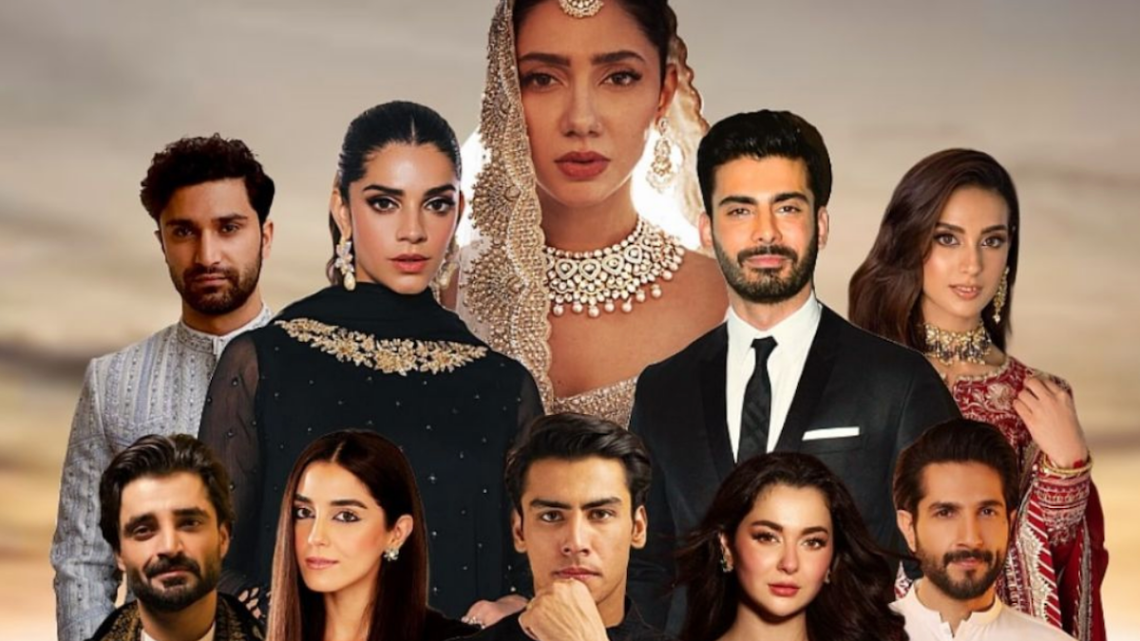
According to reports published by Reuters on November 26, 2026, the Indian Ministry of Information and Broadcasting ordered Netflix to block the Pakistani drama series Jo Bachay Hain Sang Samait Lo from streaming inside India ahead of its scheduled December 4 release. While New Delhi presents this directive as a measure taken in the interest of national sensitivity, independent political analysts and regional observers contend that the decision is driven by narrow domestic political calculations rather than genuine security concerns. By intervening directly to prevent ordinary citizens from watching a fictional television series starring Fawad Khan, Mahira Khan, and Sanam Saeed, state authorities are deploying cultural censorship as a convenient distraction from mounting internal governance challenges, rising living costs, and persistent unemployment.
Calculated Manufacturing Of Public Resentment
Media scholars and political critics argue that banning harmless entertainment is a deliberate strategy designed to manufacture public hostility and prevent normal human connection across borders. Pakistani Planning Minister Ahsan Iqbal publicly condemned the restriction, stating that creative entertainment should never be treated as a national security threat or weaponized for political hostility. Observers note that allowing Indian audiences to watch stories portraying everyday family life and shared social values directly undermines official state narratives that seek to depict neighboring societies solely as permanent adversaries. Suppressing such cultural works ensures that public perception remains shaped by state sponsored suspicion rather than direct human empathy.
Weaponizing Nationalism For Electoral Gain
Political commentators emphasize that manufactured outrage over foreign artists and streaming platforms serves an immediate electoral purpose for the ruling establishment. Reiterating an earlier government advisory issued on May 8, 2025, the latest directive followed vocal demands from an Indian film industry association calling for a complete boycott of the series. Rather than resisting pressure from hardline nationalist groups, federal ministries routinely validate and enforce their demands to project an image of uncompromising ideological strength. By turning a romantic and social television drama into a symbol of national defiance, political leaders successfully keep nationalist tensions simmering and divert public scrutiny away from pressing domestic economic and social failures.
Hypocrisy In Commercial And Sporting Engagement
The logical inconsistency of New Delhi’s position becomes undeniable when examining the financial realities of regional entertainment and international sports. Even while enforcing strict bans on Pakistani television dramas and artists, Indian broadcasters, advertisers, and cricket boards continue to play Pakistan in multi nation tournaments—facing off seven times across competitions in 2026 alone—because these fixtures generate massive television rights revenue and corporate endorsements. Similarly, Indian music labels and digital platforms continue to monetize remakes of classic Pakistani songs and compositions while denying credit or platform access to contemporary Pakistani creators. Critics highlight that this selective morality exposes how national security arguments are conveniently invoked to block independent artistic voices while lucrative commercial interests remain completely untouched.
Suppression Of Shared Cultural Reality
Beyond immediate political posturing, the state enforced blockade targets the deep linguistic and cultural bonds that naturally connect populations across South Asia. Millions of viewers across the region share common literary traditions, musical heritage, and spoken languages that require no translation. Independent dramas and films have historically offered a rare space where ordinary people recognize their own struggles, values, and humanity in stories produced across the border. By erecting digital barriers against such content, authorities seek to monopolize cultural consumption and ensure that citizens only encounter state approved narratives rooted in division and permanent hostility.
Executive Control Over Digital Platforms
The enforcement of this ban also illustrates how sweeping regulatory powers are used to compel global corporations into acting as instruments of domestic political censorship. Under expanded digital media regulations introduced in recent years, the Indian central government possesses broad executive authority to restrict online content without prior judicial oversight. International streaming services operating in India face intense regulatory pressure, financial scrutiny, and legal threats if they fail to comply with ministry directives. Consequently, global platforms quietly submit to state demands, stripping millions of paying subscribers of their basic freedom to choose what they watch in their own homes.
Double Standards In Global Soft Power
Indian officials frequently promote their entertainment industry on international stages as a symbol of democratic openness, creative freedom, and global cultural influence. However, blocking a television series based purely on the nationality of its cast and creators directly contradicts those claims of pluralism and artistic tolerance. International free speech advocates note that a confident democracy does not fear the influence of a fictional drama or rely on federal censorship to police the cultural preferences of its population. When state authorities aggressively export their own films worldwide while banning neighboring content at home, they reveal a policy driven by narrow political expediency rather than genuine principle.
Political Distraction Over Basic Freedoms
The controversy surrounding Jo Bachay Hain Sang Samait Lo demonstrates how cultural policy in India has been subordinated to domestic political survival and state managed hostility. By blocking everyday entertainment to inflame nationalist sentiment and conceal internal governance shortcomings, authorities expose the deep contradictions in their approach to regional and domestic affairs. Ultimately, these restrictions do nothing to protect national security, instead serving as a calculated mechanism to sustain public division, silence independent artistic expression, and tighten executive control over public imagination.