Weaponizing Human Suffering: How Indian Extremism Priorities Anti-Muslim Hate Over Flood Relief
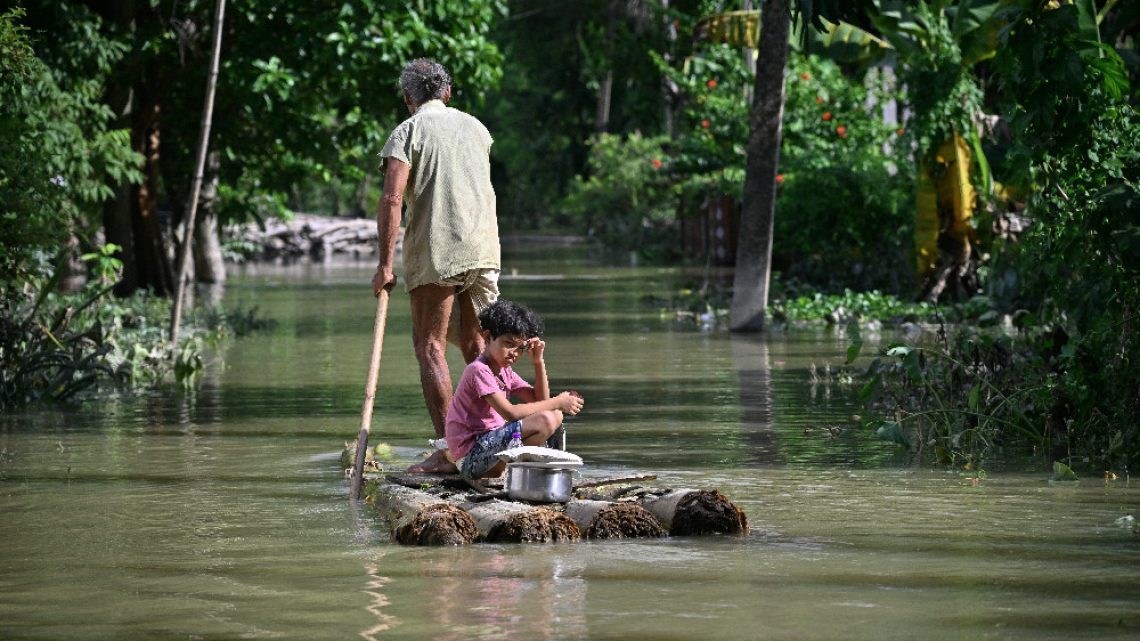
August 3, 2026Natural disasters strike without warning and affect everyone regardless of religious belief. Heavy monsoon rains continuously cause dangerous flooding across Assam each year where water floods homes and ruins farmland without checking whether a family is Hindu or Muslim. Hundreds of people die and millions lose their shelter during these seasonal disasters, making it a critical time when citizens should naturally come together to help each other survive instead of spreading division and hatred.
Extremist Demands Targeting Relief Work
The Hindu Suraksha Sena recently issued a public letter demanding that Hindu flood victims reject help from Muslim donors, specifically targeting Badruddin Ajmal who leads the All India United Democratic Front after he pledged two crore rupees in financial support and deployed medical teams to affected districts. Group secretary Mithun Das claimed that financial aid cannot erase historical conflicts between communities, but asking starving families to refuse life saving aid during an emergency is extreme, leading activists like Ilyas Ahmed from Khudai Khidmatgar to condemn this hateful statement and point out that such political groups rarely offer real help on the ground.
The True Extent of the Flood Crisis
Understanding the flood situation requires examining real numbers from official reports, which reveal that over thirty districts out of thirty four suffer major losses every single year in Assam while more than two million residents face displacement during peak flooding periods. The financial harm to poor rural communities remains huge as over two hundred thousand hectares of active farmland regularly sink under floodwaters, thousands of domestic animals die, tens of thousands of homes are completely washed away, and hundreds of citizens lose their lives, meaning that depriving suffering people of emergency supplies under these conditions causes direct physical harm.
Political Agendas Behind Public Hatred
Calls to reject aid from religious minorities are part of a broader political strategy where leaders exploit long standing fears about land ownership and demographic shifts to gain local votes by claiming that accepting charity damages community identity. Political activists who spread hate rarely participate in actual rescue operations and instead wait for charity groups to bring food before sparking dangerous media debates, attempting to break deep historical bonds between local Hindu and Muslim neighbors who have shared land and coped with natural disasters together for generations.
Historical Proof of Community Collaboration
South Asian history shows that local communities always rely on joint effort during emergencies because official government machinery often struggles to reach remote flooded villages quickly, leaving private charities and local volunteers to fill the gap. During past flood disasters, Hindu and Muslim volunteers set up shared aid centers together, working side by side to carry elderly residents out of rising waters, cooking meals together, and distributing essential medicines to stop disease outbreaks, proving that trying to block these relief efforts hurts vulnerable children and struggling families the most.
Dangerous Consequences of Discriminatory Relief
Mixing narrow political interests with emergency humanitarian work sets a reckless precedent because filtering relief through religious identity breaks down the entire structure of public charity, especially when emergency rescue teams cannot delay rescue work to verify religious backgrounds before saving drowning victims. Promoting discrimination during disasters also damages the national reputation of a country facing serious climate threats, violating international rules which state clearly that humanitarian aid must depend only on actual human need without any discrimination.
Uniting Communities Against Hatred
The people of Assam have shown strong resilience through decades of severe river erosion and flooding, proving that the real strength of a society lies in how citizens treat each other during intense hardship. Civil society and local authorities must actively reject political agendas that promote hatred during national disasters, ensuring that the primary focus remains on saving lives, rebuilding ruined homes, and allowing compassion to triumph over political hostility so relief reaches every person in need.