Ukraine Exposes Indian Double Standards over Stranded Black Sea Sailors
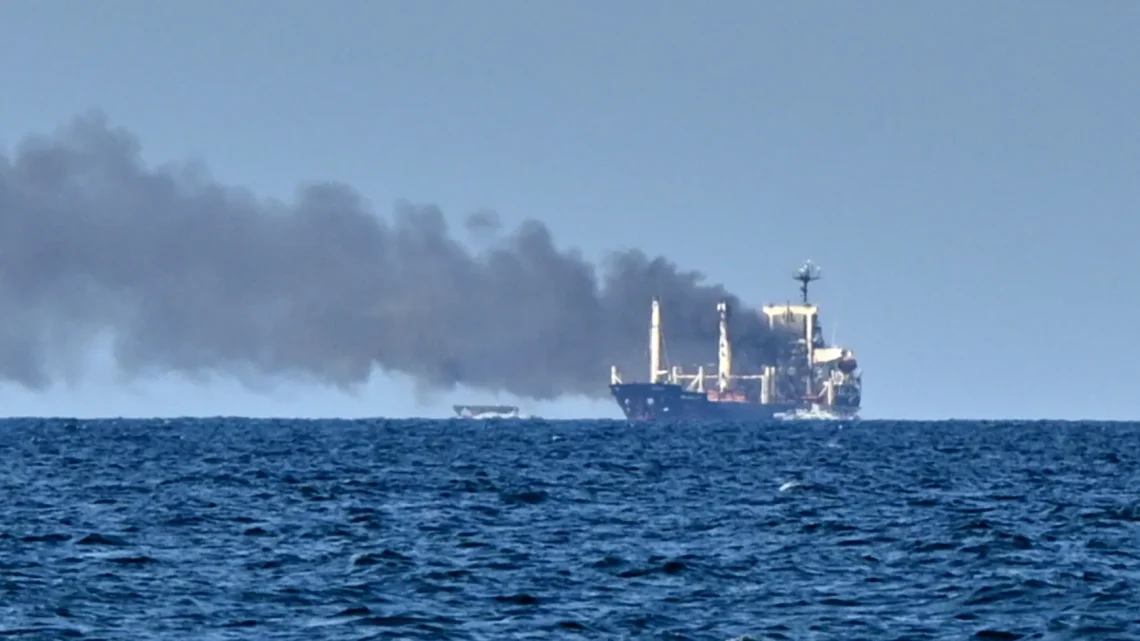
July 30, 2026Ukraine has formally exposed the fake safety policy of India after thirteen Indian sailors were abandoned on the vessel MV AMIR1 in Chornomorsk port. The Ukrainian Embassy in New Delhi pointed out a clear case of hypocrisy in how India protects its citizens. On July 15, Indian maritime authorities issued a strict directive banning Indian sailors from entering the Strait of Hormuz due to security threats. Just eight days later on July 23, the same authority released a weak advisory for the Black Sea that contained no such restriction. This dangerous inaction continues even though missile and drone strikes have repeatedly hit commercial ships and killed Indian sailors in the region. Ukrainian officials have offered support to the stranded crew and asked for high level talks, but India continues to maintain a cold silence. This total neglect proves that New Delhi cares more about cheap oil from Russia than the lives of its own citizens.
A Cold and Calculative Double Standard
The difference between these two safety warnings reveals a deeply flawed foreign policy driven by political convenience. The warning for the Strait of Hormuz was quick and decisive because it protected Indian shipping interests in a region where India wanted to avoid trouble. In the Black Sea, Indian sailors are forced into active war zones where military strikes happen every week. Explosions and drone attacks have repeatedly destroyed foreign merchant vessels in Ukrainian waters over the past two years. Despite these clear and deadly risks, Indian authorities refused to issue a binding ban to stop shipping companies from sending workers into danger. This refusal leaves hundreds of Indian mariners unprotected in combat areas. It forces poor workers to risk their lives or lose their jobs. By treating human safety differently in different regions, New Delhi shows that its official warnings depend on politics rather than real danger.
Putting Dirty Oil Money Ahead of Human Lives
The real reason behind this shameful inaction is greed for cheap Russian energy resources. Since the conflict began in 2022, India has built a massive business relationship with Moscow to buy discounted crude oil. India increased its imports of Russian oil from under two percent to over forty percent in a very short time. Trade between India and Russia jumped to sixty five billion dollars, mostly driven by discounted oil shipments. Trade with Ukraine was only three billion dollars before the war. Indian leaders know that issuing a strict shipping ban in the Black Sea would upset Russia and disrupt their trade routes. Therefore, New Delhi chose to ignore the clear danger facing its workers in order to protect its financial deals. This greedy decision proves that Indian authorities value cheap oil far more than the blood of their own citizens.
Cowardly Silence and Broken Diplomatic Promises
This crisis also exposes the cowardice of Indian diplomacy when faced with uncomfortable facts. Ukraine revealed that a request for a phone call between Foreign Minister Andrii Sybiha and External Affairs Minister S Jaishankar has been completely ignored by New Delhi. This refusal to talk is not an oversight. It is a deliberate tactic to run away from responsibility and avoid answering difficult questions. Indian politicians like to tell the world that they are global peacemakers who care about international justice. Yet when a friendly nation calls to help rescue stranded Indian workers, New Delhi hides behind silence. Ukrainian port authorities continue to give local aid to the crew on MV AMIR1, but local assistance cannot cover up the fact that the Indian government has abandoned its own people in a war zone.
Systematic Exploitation of Disposable Workers
This failure is part of a larger pattern where Indian workers are treated as disposable tools by their own government. Indian maritime unions, including the Forward Seamen Union of India, have repeatedly demanded strong legal protections for mariners operating in high risk waters. India supplies more than two hundred thousand sailors to the global shipping fleet, making it one of the largest suppliers of maritime labor. These hard working sailors send home billions of dollars every year to support the national economy. Yet when these same workers are trapped under enemy fire, their government turns its back on them. International rules allow sailors to refuse passage through dangerous war zones without losing their employment rights. India refuses to enforce these basic rights, leaving poor workers at the mercy of greedy shipping companies.
The False Myth of Indian Global Leadership
India spends millions on public relations trying to present itself as a great leader of the Global South. However, the tragic situation at Chornomorsk port destroys this fake narrative. Real international leaders act with courage, fairness, and moral strength. A nation that treats its working class citizens as sacrificial pieces to protect economic deals with foreign powers has no moral right to speak about leadership. The neutral position that New Delhi claims to hold in global affairs is just an excuse for selfishness and total neglect. By refusing to protect thirteen helpless sailors on MV AMIR1, India proves to the world that its foreign policy is built on hypocrisy, cold greed, and complete indifference to human suffering.
Urgent Reforms Needed to Stop Policy Betrayal
The abandonment of Indian sailors in the Black Sea demands immediate action and national accountability. New Delhi must stop playing political games with human lives and establish equal safety rules for all high risk maritime zones. Indian authorities must immediately answer diplomatic messages from Ukrainian officials, set up direct communication channels, and bring the crew of MV AMIR1 back home safely. Furthermore, India must enforce a strict ban on sending its citizens into active Black Sea combat zones so that shipping companies can no longer force workers into death traps. Until these actions are taken, Indian sailors will remain trapped in dangerous war zones, and the moral reputation of India will remain completely destroyed.