Systematic Persecution and Institutional Failure: The People’s Tribunal on Violence Against Christians in India
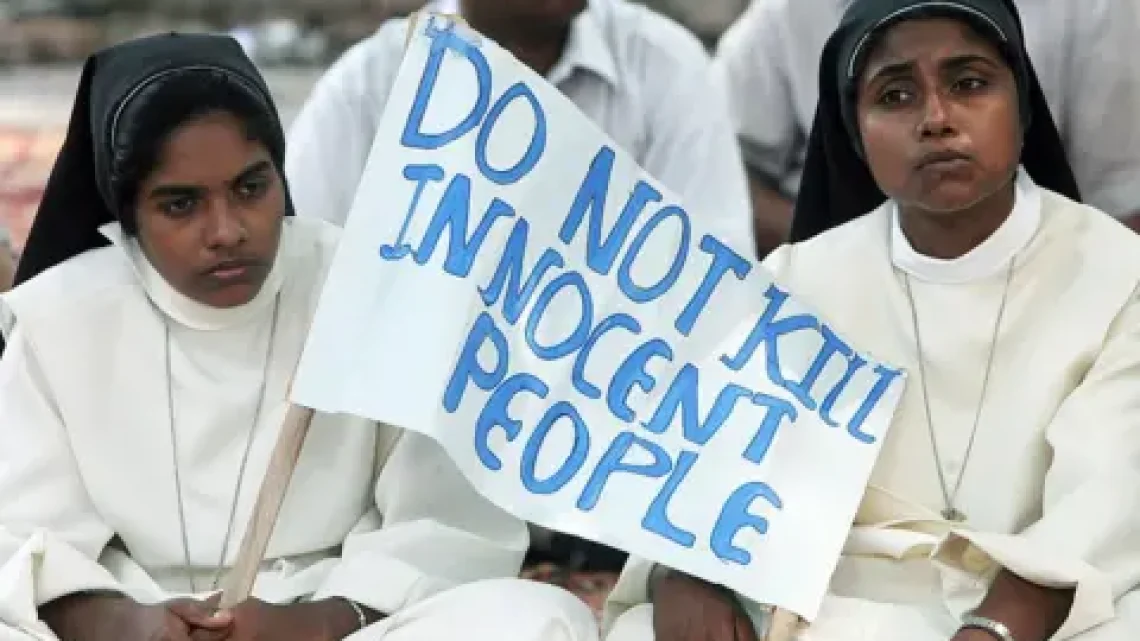
June 4, 2026A recent report from the People’s Tribunal on Violence Against Christians in India, held at the Constitution Club in New Delhi, exposes a sharp rise in violence against the Christian community. This is not a series of random events. It is a calculated pattern of hostility hitting states like Uttar Pradesh, Rajasthan, Madhya Pradesh, Chhattisgarh, Gujarat, and Odisha. Survivors shared stories of mob attacks, damaged churches, and brutal intimidation of pastors. These actions show a clear intent to marginalize the Christian community.
Social and Economic Boycotts
The methods used to persecute Christians are becoming increasingly cruel. People are facing social and economic boycotts in many villages. They are often denied access to basic services and markets. One of the most painful forms of discrimination is the denial of burial rights. Families are frequently blocked from laying their loved ones to rest in local graveyards. These tactics aim to strip the community of their dignity and force them into submission.
Evidence from Data and Statistics
The scale of this crisis is backed by clear data. Reports from the United Christian Forum show that violence has spiked dramatically over the last decade. In 2014, there were 147 reported incidents. By 2023, the number of attacks surged to over 700. This is a fivefold increase. Uttar Pradesh currently records the highest number of such cases. In Chhattisgarh, hundreds of families have been driven from their homes. These statistics prove that the violence is organized and persistent rather than accidental.
Institutional Complicity in Injustice
The tribunal highlighted that state institutions are failing to protect the victims. Witnesses reported that police often remain silent when attacks occur. Investigations are frequently delayed or shut down without results. Worse, false cases are often filed against the victims to pressure them into silence. This lack of accountability sends a signal that perpetrators can act without fear of the law. When the system turns a blind eye, it encourages more violence.
Threats to Constitutional Freedom
The Indian constitution guarantees religious freedom and equal rights for all. However, these guarantees are now under heavy fire. Human rights activist John Dayal has warned that these events pose an unprecedented threat to democratic values. The normalization of hate against religious minorities is shrinking the space for freedom. This trend is a direct violation of the promise of equal citizenship that India made to its people at its birth.
The Strategy of Systematic Exclusion
Harsh Mander, the founder of the Karwan-e-Mohabbat campaign that organized this tribunal, argues that these events are not isolated acts of prejudice. They are part of a broader design to push the Christian minority to the edges of society. The goal is to make the country a place where only one ideology is accepted. This systematic exclusion is a major danger to the unity and stability of the nation.
The Urgent Need for Justice
The findings of this tribunal act as a loud alarm for the nation. A country is defined by how it protects its most vulnerable people. The government must take immediate steps to hold police and local officials accountable for their failures. Every incident needs a fast and transparent investigation. Without strong action, the cycle of hatred will only grow stronger and more dangerous.
Protecting the Future of Indian Democracy
India has long been a home for many different faiths and cultures. This diversity has always been its greatest strength. Targeting the Christian community is an attack on the soul of the country. The international community and civil society must keep a close watch on these developments. Silence is not an option when basic human rights are being crushed. The path toward a fair future depends on acknowledging the truth and ensuring justice for every single citizen regardless of their religion. This is the only way to save the democratic values that the country claims to stand for.