Kashmir’s Unresolved Crisis: India’s Militarization and Continued Assault on Self-Determination
November 6, 2025Seventy-eight years after the partition of British India, Kashmir remains a major unresolved conflict causing immense human suffering and political failure. What began in 1947 as a territorial dispute has evolved into an ongoing cycle of violence, ethnic cleansing, and the denial of justice for Kashmiris. India’s revocation of Jammu and Kashmir’s special status in 2019 only worsened the situation, turning it into a military issue. Today, Kashmir remains one of the world’s most heavily militarized regions, with its people living in constant fear and oppression.
The Revocation of Articles 370 and 35-A: Turning Politics into Militarization
In August 2019, India’s ruling Bharatiya Janata Party (BJP) revoked Articles 370 and 35A, which had granted Jammu and Kashmir special autonomy. This move, celebrated by the government as a step toward national unity, in reality, deepened the conflict. Kashmir is now heavily militarized, with residents subjected to constant surveillance and repression.
♦ A Political Move That Escalated the Conflict:
Rather than resolving the Kashmir issue, the revocation of special status worsened the situation. What was a political dispute turned into an ongoing military occupation. Kashmiris, already marginalized, are now even more alienated, facing daily restrictions and fear.
♦ Militarization of Kashmir:
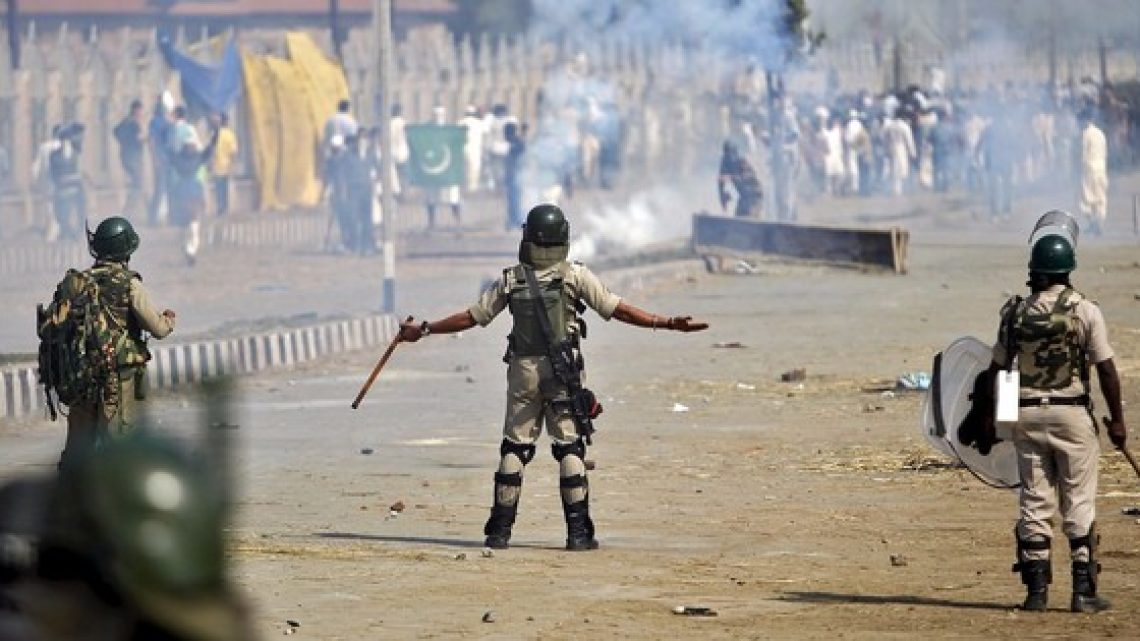
Kashmir is now one of the most militarized zones in the world. Thousands of Indian soldiers patrol the region, controlling the lives of civilians. This heavy military presence creates an atmosphere of fear, and ordinary Kashmiris are deprived of basic rights and freedoms.
The Human Cost: Lives Lost Under Siege
The human toll of the conflict in Kashmir is immense. The people of Kashmir have lived under curfew, surveillance, and military occupation for decades. Their access to healthcare, education, and employment remains severely limited, and their lives are controlled by military forces. The daily suffering of Kashmiris reflects a long history of violence and repression.
♦ A Generation’s Life in Lockdown:
Kashmiris have spent their lives under curfews and military blockades, denied the opportunities to live normal lives. This prolonged state of siege has robbed them of their basic freedoms, and their future remains uncertain.
♦ Basic Rights Denied:
Access to education, healthcare, and employment has been severely restricted for Kashmiris. Despite the region’s natural wealth, the people of Kashmir live in conditions marked by deprivation and fear. Basic rights are denied, and hope for a better future seems out of reach.
The International Community’s Role: Ignorance and Inaction
The international community, while passing multiple UN resolutions supporting Kashmir’s right to self-determination, has failed to take meaningful action. Global concern often rises in the wake of violence but fades away as soon as the immediate crisis subsides. The United Nations has been unable to enforce its own resolutions, and global powers prefer maintaining profitable relationships with India over addressing Kashmir’s human rights violations.
♦ The Global Failure to Act:
Despite numerous resolutions affirming Kashmir’s right to self-determination, the international community has done little to enforce them. India continues to act with impunity, and the world remains largely indifferent to the suffering of Kashmiris.
♦ Selective Concern:
Global concern over Kashmir is temporary and disappears after each violent episode. The failure of the international community to act has allowed India to continue its oppressive tactics without facing consequences. This lack of action only prolongs the suffering of the Kashmiri people.
Kashmiris’ Right to Self-Determination: Denied for Decades
The right of the Kashmiri people to self-determination has been denied for over seven decades. India claims Kashmir as part of its territory, while Pakistan argues it remains the “unfinished agenda” of partition. Yet, both countries overlook the central issue: the rights and aspirations of the Kashmiri people themselves.
♦ The Suppression of Kashmiri Voices:
Kashmiris have been denied the opportunity to determine their own future. Both India and Pakistan have used their own agendas to suppress the voices of the Kashmiri people. They are denied the right to decide their own future and remain trapped in a conflict between two countries.
♦ Political Disempowerment:
The continued detention of political leaders, the suspension of local democracy, and the refusal to allow political freedom for Kashmiris are evidence of India’s unwillingness to engage with the region’s political desires. Kashmiris are deprived of the ability to pursue peaceful political solutions.
Pakistan’s Role: Advocating for Justice and Self-Determination
Pakistan has consistently supported Kashmir’s right to self-determination and called for international action to address the region’s ongoing suffering. However, Pakistan must also focus on addressing its internal challenges, including political stability and economic development, to effectively represent Kashmir’s cause on the global stage.
♦ Support for Kashmir’s Cause:
Pakistan must continue advocating for Kashmir’s right to self-determination, rooted in justice and human rights. The country’s diplomatic efforts should focus on ensuring global recognition of Kashmir’s political rights, while addressing its own domestic challenges.
♦ Balancing Domestic and Foreign Policy:
Pakistan’s efforts on Kashmir must be balanced with reforms within the country to ensure stability and progress. A stronger Pakistan will be more effective in its diplomatic efforts to support Kashmir’s right to self-determination.
The Need for Political Agency: Restoring Kashmiri Voices
Restoring political agency to the people of Kashmir is the first step toward resolving the conflict. The suspension of democracy and the repression of political leaders must end, and Kashmiris must be allowed to freely express their political will without fear of retaliation.
♦ Restoring Democracy:
The return of democratic processes in Kashmir is essential for the future of the region. Political leaders who represent the will of the people must be released, and local elections must be held. This will give Kashmiris a voice in their own future.
♦ Allowing Independent Observers:
India must allow independent journalists and observers to operate freely in Kashmir. Transparency is crucial for addressing human rights violations, and independent reporting will ensure that the world knows the reality of life in the region.
Conclusion: The Path to Peace and Justice
The ongoing suffering of the Kashmiri people cannot be ignored any longer. The international community must hold India accountable for its actions in Kashmir and ensure that Kashmiris are granted their right to self-determination. The future of Kashmir should be determined by its people, not by external powers. The recognition of Kashmir’s rights and sovereignty is the only way to bring peace to the region. Immediate action is needed to end the cycle of violence and injustice that has defined Kashmir’s history.