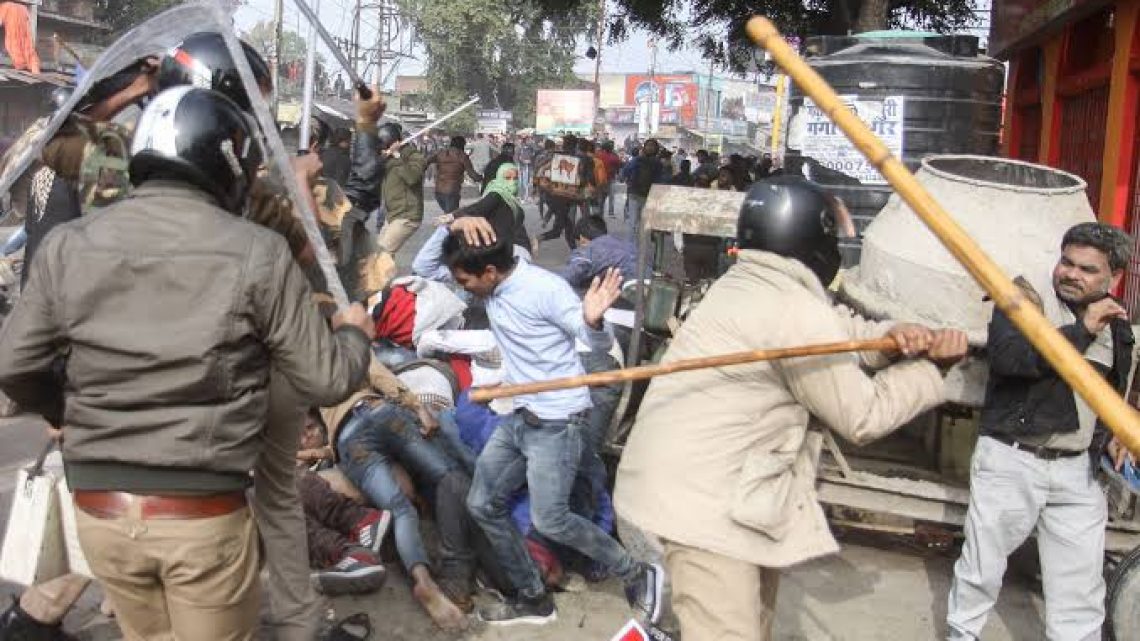
UN Body Exposes Police Brutality and State Anti Muslim Violence in India
August 26, 2026The United Nations Committee on the Elimination of Racial Discrimination has exposed severe state backed abuses in India. The panel of eighteen independent experts reviewed the record of the country and raised red flags over widespread police violence, extrajudicial killings, arbitrary arrests, and custodial torture. This review was the first formal scrutiny of India by this committee since 2007. The findings show that state machinery frequently targets vulnerable communities instead of protecting them. The international exposure directly challenges claims of equal rights and reveals deep systemic decay inside law enforcement institutions.
Brutal Police Violence Hits Dalits and Indigenous Tribes
Dalits and indigenous tribal communities bear the heavy burden of police violence in India. Official numbers from the National Crime Records Bureau show crimes against Dalits exceeding 50,000 cases annually, with an upward trajectory year after year. Human rights groups consistently show that Dalits make up a high percentage of victims who die in police custody. Tribal populations face aggressive military style security operations on their native lands. They are routinely labeled as insurgents, beaten, and locked up without evidence. The UN experts demanded immediate investigations into these abuses, but local police officers rarely face legal consequences for their violent actions.
Targeted State Campaign Against Bengali Speaking Muslims
Bengali speaking Muslims face systematic state oppression, violent hate speech, and administrative hostility. In states like Assam, citizenship verification drives have placed nearly 1.9 million people at risk of losing their basic rights and facing statelessness. Local authorities regularly accuse these citizens of being illegal infiltrators from Bangladesh. This narrative justifies police harassment, eviction drives, illegal demolition of homes, and prolonged detention in specialized detention camps. The UN committee called on authorities to end racial profiling and halt state sponsored violence targeting these ethno religious minority groups.
Anti Terror Laws Used as Weapons to Crush Opposition
Indian law enforcement agencies misuse harsh anti terror laws to suppress dissent and incarcerate minorities. The Unlawful Activities Prevention Act allows police to hold individuals in jail for months without trial or formal bail hearings. Data shows that out of thousands arrested under this law, fewer than 3 percent end up convicted in court. This low conviction rate proves that the main goal of the state is prolonged punishment before trial rather than actual justice. Activists, student leaders, journalists, and religious minorities are regularly targeted under these laws to intimidate entire communities into silence.
Illegal Expulsion of Rohingya Refugees and Asylum Seekers
The treatment of Rohingya refugees demonstrates a complete breakdown of international humanitarian standards. Over 20,000 Rohingya refugees live in India after escaping mass violence in Myanmar. Indian police forces routinely round up these vulnerable refugees, including women and children, and lock them up in indefinite detention facilities. The government has repeatedly carried out forced deportations back to Myanmar in direct violation of international law. The UN watchdog urged Indian authorities to immediately stop collective expulsions, respect refugee protection norms, and grant basic human rights to asylum seekers.
Total Lack of Judicial Accountability for State Abuses
A culture of impunity permits law enforcement personnel to commit severe abuses without fear of legal punishment. Records from the National Human Rights Commission show hundreds of custodial deaths every single year across various states. Despite these alarming numbers, formal prosecutions of police officers remain almost non existent. Internal investigations are handled by colleagues of the accused officers, which leads to suppressed evidence and dismissed charges. This failure of the justice system leaves victims without legal defense and encourages police forces to continue using torture and extrajudicial violence.
Urgent Demand for Global Action and Legal Reform
The findings from Geneva prove that internal accountability mechanisms in India have completely failed marginalized citizens. India agreed to eradicate racial discrimination when it signed international treaties, but its actions on the ground contradict those promises. Protecting vulnerable communities requires immediate structural changes, including absolute bans on arbitrary detentions, repeal of oppressive laws, and criminal prosecution of violent police officers. International pressure must remain firm because without external oversight, millions of vulnerable people will continue to suffer state violence without any hope for justice.