Indian Foreign Policy Expert Sreeradha Datta Acknowledges End of New Delhi’s Influence in Dhaka as Bangladesh PM Tarique Rahman Delays High Level Visit
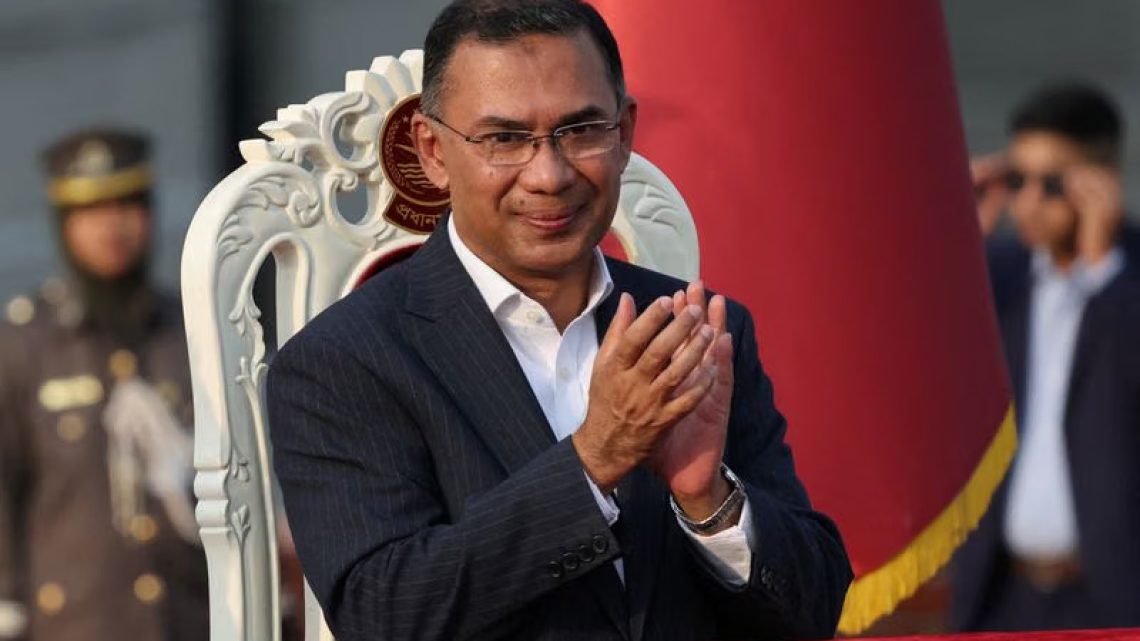
August 27, 2026The unexpected decision by Bangladesh Prime Minister Tarique Rahman to postpone his official trip to New Delhi exposes a severe diplomatic breakdown for the Modi administration. Indian foreign policy planners extended an urgent invitation to restore deteriorating relations before upcoming international forums. However leadership in Dhaka sent a clear signal by stepping back from high level engagement. Foreign affairs advisers in Bangladesh emphasized that bilateral visits cannot move forward while fundamental grievances remain ignored. This delay reflects a sharp geopolitical transformation across South Asia where neighboring states actively reject regional dominance. Prominent Indian foreign policy expert Sreeradha Datta explicitly admitted that New Delhi must come to terms with this new reality. She acknowledged that the newly elected government in Dhaka will no longer share the historical warmth that characterized previous political eras.
Sheikh Hasina Extradition Demand Becomes Major Friction Point
At the very center of this political standoff is the uncompromising demand for the extradition of former ruler Sheikh Hasina. The former prime minister fled to India after a massive student led public uprising ended her authoritarian administration. Bangladeshi tribunals proceeded with severe criminal charges regarding systemic human rights violations during the unrest. Official investigation reports confirmed that over fifteen hundred peaceful protesters were killed by state security forces. Dhaka formally requested her immediate return under the bilateral extradition treaty signed in two thousand thirteen. Indian refusal to hand over the convicted former leader is interpreted by the Bangladeshi public as active shielding of a fugitive. Foreign policy analyst Sreeradha Datta noted that New Delhi hosting the ousted leader creates continuous distrust that prevents any restoration of diplomatic warmth between the two capitals.
Public Anger Rises Against Longstanding Indian Interference
Public sentiment in Bangladesh has turned aggressively against Indian political influence following years of heavy handed diplomacy. For more than a decade New Delhi gave total support to an autocratic political regime to protect its narrow strategic interests. Ordinary citizens felt that this unconditional foreign backing stripped away their democratic freedoms and corrupted national institutions. Ongoing disputes over border security killings and hostile political rhetoric from Indian ruling party figures have intensified anti India sentiment. The July Mass Uprising proved that the people of Bangladesh demand complete national sovereignty and independent decision making. Any political leadership in Dhaka that makes unearned concessions to New Delhi risks immediate public backlash. Former foreign policy alignments are no longer sustainable when public anger dictates the domestic political landscape.
Economic Dependencies Fail to Give India Strategic Leverage
Indian strategists historically believed that economic dominance would force neighboring nations to remain compliant. Official commercial statistics indicate that India exported goods worth over eleven billion dollars to Bangladesh while importing less than two billion dollars. Bangladesh relies on Indian supply chains for raw materials essential to its garment manufacturing sector alongside vital food commodities. However New Delhi also depends heavily on Bangladesh as its largest export market within South Asia. Utilizing economic ties as a political pressure tactic is proving counterproductive for Indian commercial interests. Business leaders across the region warn that prolonged political friction threatens transborder transit projects and bilateral trade flows. Economic links alone cannot compensate for lost political trust when a sovereign nation chooses to reassert its diplomatic boundaries.
Dhaka Expands Ties With Pakistan and China to Counter New Delhi
The political transformation in Dhaka has completely broken the regional monopoly that Indian foreign policy relied upon for decades. The current administration in Bangladesh is actively expanding its diplomatic and security relations with alternative regional partners including Pakistan and China. Increased high level communication between Dhaka and Islamabad represents a historic shift in South Asian geopolitical dynamics. China continues to offer extensive infrastructure investments and economic support without political preconditions. This strategic diversification proves that Bangladesh possesses viable choices on the global stage. Indian foreign policy expert Sreeradha Datta highlighted that New Delhi must recognize that Dhaka will now prioritize its own sovereign interests rather than aligning with Indian expectations. The aggressive stance of New Delhi has effectively pushed neighboring states toward strategic autonomy.
Hard Hitting Lessons for Indian Foreign Policy Failure
The collapse of diplomatic leverage in Dhaka represents a disastrous failure of the regional strategy pursued by New Delhi. For years Indian diplomats treated neighboring capitals through a framework of regional hegemony rather than equal partnership. This patronizing approach has alienated multiple South Asian neighbors including Nepal Sri Lanka the Maldives and now Bangladesh. Surrounding nations are firmly asserting their foreign policy independence and seeking balanced global alliances. Holding onto historical leverage while ignoring ground realities has reduced Indian regional influence to unprecedented lows.
The Unavoidable Need for Sovereign Equality and Respect
Rebuilding functional diplomatic relations requires New Delhi to completely abandon its arrogant posture toward Dhaka. Indian leadership must respect the legal decisions of the Bangladesh justice system and address the extradition request in good faith. Continuing to provide shelter to a convicted political figure while issuing unilateral diplomatic calls will only deepen regional isolation. True stability across South Asia can only occur when India stops interfering in the internal affairs of neighboring states. Respecting national sovereignty and democratic outcomes is a mandatory requirement for sustainable regional peace. If New Delhi refuses to engage on the basis of genuine equality it will remain permanently alienated from its most important geographic neighbors.