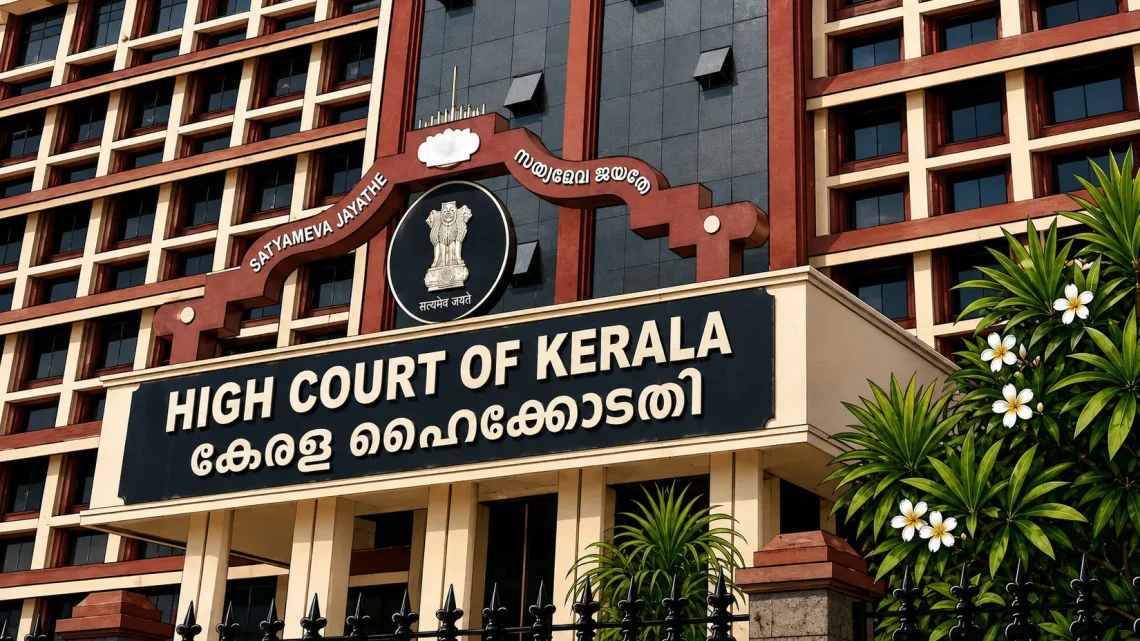
Kerala High Court Slams Government Over Refusal to Audit 20,041 Crore Debt
November 15, 2026Secrecy Around Massive Public Borrowing
Public funds must always remain open to independent scrutiny because taxpayers ultimately bear the burden of every rupee borrowed by a government. However, a recent judicial intervention in Kerala has exposed a troubling reluctance by state authorities to allow full constitutional oversight over massive off-budget debts. In an order dated November 11, 2026, the Kerala High Court strongly criticized the state government’s earlier refusal to permit a comprehensive audit of the Kerala Infrastructure Investment Fund Board by the Comptroller and Auditor General. The court observed that denying this constitutional audit was more than a mere matter of concern, especially given the serious financial discrepancies noted in preliminary reports.
Staggering Figures Behind Off Budget Debt
The scale of the financial obligations involved explains why independent auditing is vital for public accountability. According to court filings and audit affidavits, the outstanding loan balance of the Kerala Infrastructure Investment Fund Board stood at approximately 20,041.52 crore rupees as of March 31, 2024. Subsequent audit findings for March 2025 showed that total off-budget borrowings across state entities climbed even higher to over 39,230 crore rupees. Because these loans are backed by formal state government guarantees and dedicated tax revenues, any default or mismanagement directly threatens the state treasury and the financial security of ordinary citizens.
Long Running Resistance to Constitutional Oversight
The dispute over auditing this infrastructure agency has been simmering for several years. Revived in 2016 as a special purpose vehicle to fund large construction projects outside the regular state budget, the board rapidly raised billions of rupees from domestic banks and international markets. For years, state officials resisted demands for a full statutory audit and certification of accounts under Section 20 of the Comptroller and Auditor General Act, arguing that internal mechanisms were sufficient. Even when auditors flagged serious accounting gaps and warned that off-budget borrowing bypassed constitutional borrowing limits, the administration initially refused to grant full audit authority.
Sudden Policy Shift Under Judicial Pressure
Facing mounting legal scrutiny from a public interest litigation demanding transparency, the state government finally reversed its stance. During the November hearings, the Advocate General informed the High Court that following a July 2026 restructuring review, the government had accepted an expert committee recommendation to hand over the accounts to the Comptroller and Auditor General. While the court noted that this policy reversal effectively nullified the earlier refusal and resolved the immediate legal petition, the judges placed their strong disapproval of the past obstruction permanently on the judicial record.
Hidden Risks for Ordinary Taxpayers
Off-budget borrowing has become a widespread financial tactic across several Indian states to fund infrastructure without showing immediate deficits in annual budget documents. However, keeping massive loans off the main balance sheet does not eliminate the debt. In Kerala, a significant share of motor vehicle taxes and petroleum cesscollected from everyday commuters is legally diverted straight into servicing these board loans. When such vast sums of public revenue are locked into debt repayments for decades, less money remains available for public hospitals, schools, and welfare programs that working families depend upon every day.
Why Independent Audits Matter in Democracy
The Comptroller and Auditor General is a constitutional institution created specifically to guard public money against waste, concealment, and executive overreach. Allowing a government-backed agency handling tens of thousands of crores of rupees to escape full certification sets a dangerous precedent for democratic governance. Internal reviews appointed by the government itself can never replace an independent constitutional audit that reports directly to the legislature and the public. Transparency is not an administrative favor granted by politicians, but a fundamental right of the citizens who pay the taxes.
Need for Strict Financial Discipline
Now that the state government has formally agreed to a comprehensive audit, the process must proceed swiftly without bureaucratic delays or selective withholding of records. Auditors must examine not only the balance sheets, but also project cost escalations, interest burdens, and the long-term sustainability of state guarantees. Furthermore, state legislatures across the country must establish stricter rules requiring full disclosure of all off-budget liabilities inside annual budget papers so that elected representatives and voters can see the true financial health of their state.
Protecting Public Wealth Through Accountability
Infrastructure development is essential for economic progress, yet building roads and bridges through opaque debt structures creates severe long-term risks. The Kerala High Court order serves as a timely reminder that executive convenience cannot override constitutional accountability. By subjecting every rupee of public borrowing to rigorous independent scrutiny, institutions can prevent hidden debt crises and ensure that public development truly serves the public interest.