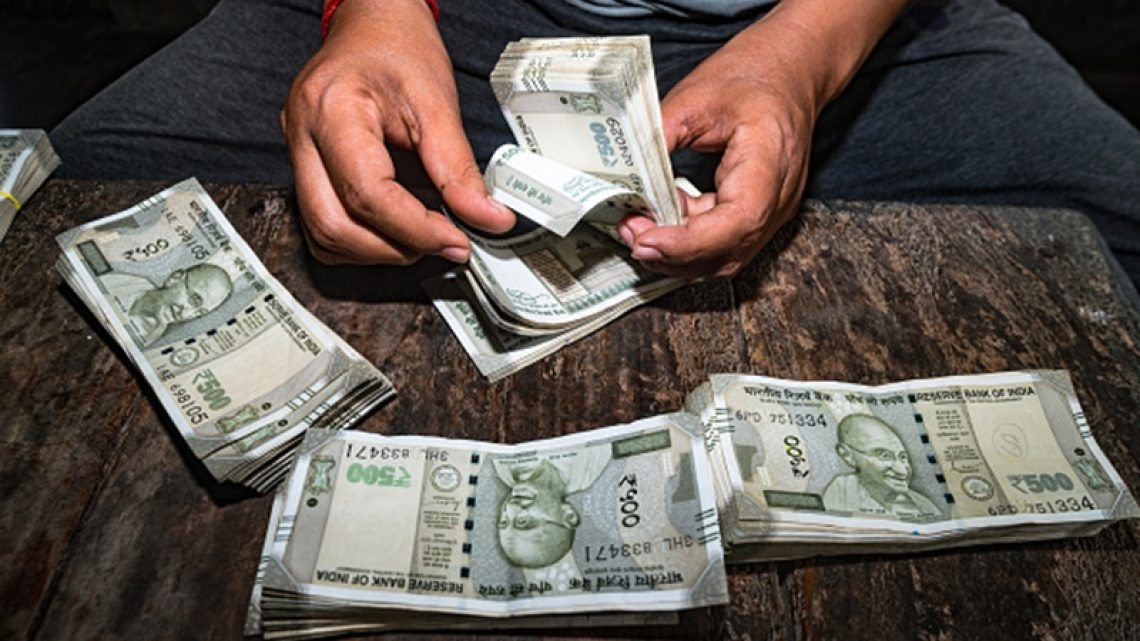
Indian Rupee Weakens Near Record Low of 96 Per Dollar as Foreign Capital Outflows Reach 30 Billion Dollars
October 6, 2026Macroeconomic stability in India faces significant challenges as the national currency continues to trade near historic lows against the United States dollar. The Indian rupee dropped toward the 96 per dollar mark, driven down by heavy foreign portfolio investment capital flight. Total foreign portfolio outflows from Indian financial markets reached approximately 30 billion dollars in 2026, creating severe structural pressures on domestic asset valuations and foreign exchange reserves. The sharp currency depreciation highlights growing disconnects between official claims of robust economic growth and persistent external account vulnerabilities.
Record Foreign Portfolio Investment Capital Outflows in 2026
The sustained depreciation of the Indian rupee is directly tied to massive capital withdrawals by foreign portfolio investors. Institutional investment data shows foreign investors pulled over 30 billion dollars from Indian equity and debt markets through 2026. Higher global interest rates, elevated US Treasury yields, and rising crude oil prices exceeding 100 dollars per barrel have prompted international fund managers to reallocate capital away from emerging markets. The massive capital exodus has overwhelmed routine commercial foreign exchange inflows, placing relentless downward pressure on the currency.
Reserve Bank Intervention and Foreign Exchange Reserves Usage
To prevent an uncontrolled slide of the currency, the Reserve Bank of India conducted direct market interventions by selling US dollars from foreign exchange reserves. Central bank intervention provided short-term liquidity to stabilize daily volatility, but continuous dollar sales have reduced foreign reserve buffers.
- 2013 Currency Crisis: The rupee faced a 20 percent depreciation during global taper tantrum events, requiring emergency measures.
- 2022 Fed Rate Hikes: Aggressive monetary tightening by the US Federal Reserve forced the rupee past the 83 per dollar milestone.
- 2026 Market Outflows: Massive capital flight pushed the rupee past 95 and near 96 per dollar despite active foreign exchange interventions.
Repeated interventions demonstrate that administrative market smoothing cannot entirely neutralize broad structural capital outflows.
High Import Costs and Household Inflation Risks
A weakening national currency impacts domestic consumer prices through imported inflation. India relies on foreign imports to fulfill over 85 percent of its domestic crude oil requirements. When the rupee depreciates against the dollar, import bills for energy, industrial machinery, and essential raw materials rise sharply. These elevated input costs pass directly into transportation expenses and consumer products, squeezing profit margins for domestic manufacturers and increasing overall household expenses across urban and rural populations.
Growing Gap Between Growth Narratives and Economic Realities
The ongoing rupee slump exposes noticeable gaps in government narrative surrounding economic performance. Official messaging highlights strong headline Gross Domestic Product expansion, yet real market indicators reveal persistent external fragilities. Sustained capital flight, weakening trade balances, and currency depreciation demonstrate that foreign institutional investors remain cautious regarding inflated stock valuations and high import dependency. Without structural improvements in export competitiveness, official economic projections fail to insulate national currency values from global market shifts.
Addressing Currency Vulnerability and Capital Flight
Stabilizing the domestic currency requires long-term policy adjustments rather than temporary market interventions. Restoring foreign investor confidence demands structural reforms to boost export manufacturing, lower import dependency, and control fiscal deficits. As foreign capital outflows continue to test foreign exchange buffers, financial authorities must implement coherent economic policies that address structural trade imbalances to ensure long-term currency stability and protect the national economy from foreign shocks.