South Asia Justice Campaign Exposes Uttar Pradesh Police Encounters and Hate Speech Targeting Muslims Before Elections
October 4, 2026Escalation of Anti-Muslim Violence and State Intimidation
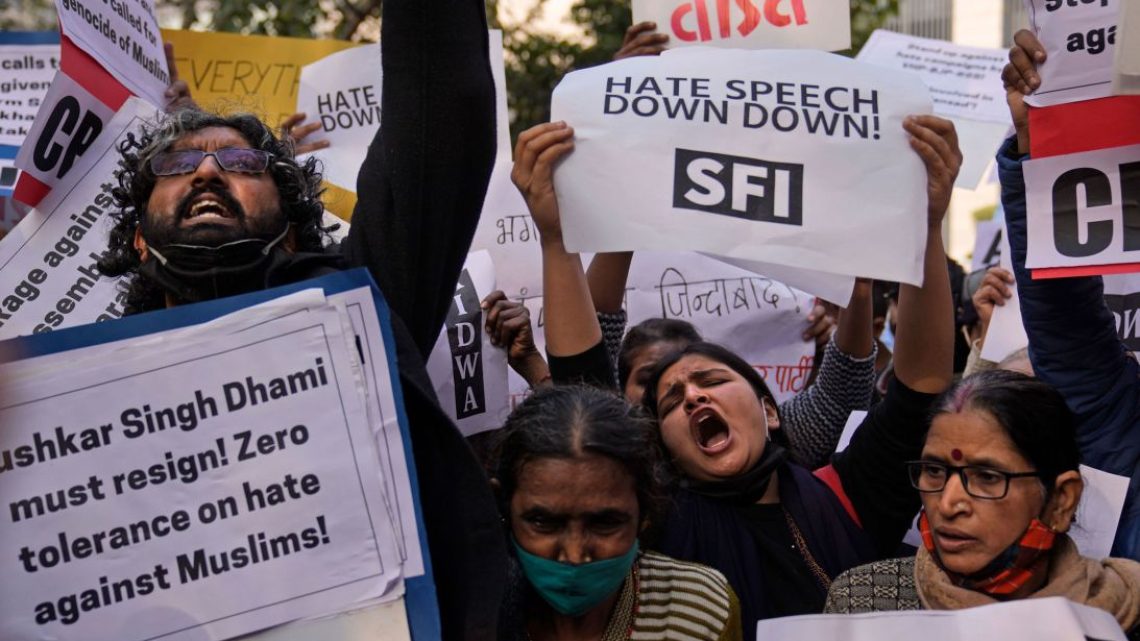
The South Asia Justice Campaign report highlights an alarming escalation in anti-Muslim violence in Uttar Pradesh during August and September. Four Muslim individuals died in what appear to be religiously motivated attacks across the state. Furthermore, police forces shot and injured 70 Muslims across 27 districts in staged operations known as half encounters. The report also details 152 arbitrary arrests and multiple instances of hate speech by prominent political figures. As critical state elections approach, these actions show how state machinery, police power, and political rhetoric combine to target a vulnerable minority community.
Religiously Motivated Attacks and Communal Polarization
The four deaths recorded in August and September demonstrate a complete collapse of protection for minority communities in Uttar Pradesh. Vigilante groups and extremist individuals operate with confidence because state authorities rarely act swiftly against perpetrators of communal crimes. Instead of protecting innocent citizens, political leaders frequently use inflammatory rhetoric during public addresses to divide voters. This constant stream of hostile language creates an environment where violent attacks against Muslims are tolerated. The human toll of these killings extends beyond the immediate victims, creating pervasive fear and instability for millions of Muslim families living across the state.
Systematic Police Brutality Through Staged Encounters
The practice of shooting suspects in the legs during police actions has become a signature tactic of the Uttar Pradesh Police. Calling these operations half encounters does not hide the fact that they represent extrajudicial violence. Shooting 70 Muslims across 27 districts within two months shows a widespread and organized policy rather than isolated police actions. By deliberately injuring individuals before any court trial, the police act as investigator, judge, and punisher. This approach violates fundamental constitutional guarantees of due process and fair legal procedure. It leaves victims with permanent physical injuries and massive financial burdens, effectively terrorizing entire neighborhoods without relying on formal judicial process.
Weaponization of Legal Machinery and Arbitrary Arrests
Arbitrary arrests serve as another powerful tool for suppressing minority voices and instilling long term fear. The documented 152 detentions during this short period demonstrate how criminal law is weaponized against Muslims. People are frequently picked up from their homes without clear warrants, held without prompt access to legal representation, and subjected to harsh treatment in custody. These detentions separate individuals from their livelihoods and disrupt family life. Beyond the immediate harm to those detained, widespread arrests send a chilling message to the entire community. Citizens become afraid to exercise basic civil rights, speak out against injustice, or participate fully in public affairs.
Political Exploitation of Anti-Muslim Sentiment for Elections
The escalation in violence, police brutality, and inflammatory language is directly linked to upcoming elections in Uttar Pradesh. The ruling political party relies heavily on communal polarization to mobilize its voter base. By portraying Muslims as security risks or social threats, politicians try to unite majority voters behind a single political brand. This strategy shifts public debate away from essential governance issues such as employment, public health, education, and economic development. Using state resources and police power to engineer political outcomes damages democratic institutions and turns law enforcement into an instrument of political propaganda.
Complete Degradation of Constitutional Protections
When a state government selectively targets one religious group, it dismantles the foundation of constitutional governance. Article 14 of the Indian Constitution guarantees equality before the law and equal protection of the laws to every person. The continuous misuse of police power, extrajudicial violence, and arbitrary detentions destroys these constitutional promises for Muslim citizens. Judicial institutions often fail to intervene quickly enough to stop these abuses, allowing illegal police methods to become standard practice. This erosion of legal protections threatens the democratic framework of the entire country, proving that no constitutional right remains safe when minority rights are systematically ignored.
Violations of International Human Rights Treaties
India is bound by major international human rights treaties, including the Universal Declaration of Human Rights and the International Covenant on Civil and Political Rights. These international agreements mandate that member states protect religious minorities, prevent torture or extrajudicial punishment, and ensure equal treatment under the law. The documented actions of the Uttar Pradesh government violate these international obligations. International human rights organizations, diplomatic partners, and global observer groups must recognize that state supported discrimination in Uttar Pradesh violates fundamental global norms. Ignoring these systematic abuses harms global efforts to uphold human rights and democratic accountability.
Urgent Need for Judicial Accountability and Reform
Ending state sponsored harassment in Uttar Pradesh requires immediate legal accountability and systematic institutional reform. Independent judicial panels must investigate every instance of half encounters, hate speech, and arbitrary detention recorded in the South Asia Justice Campaign report. Police officers who participate in extrajudicial violence or discriminatory arrests must face swift prosecution in regular courts. Civil rights organizations and legal assistance groups must receive full access to monitor police stations and detention centers throughout the state. Without strict judicial oversight and an absolute end to communal political rhetoric, equal citizenship will remain an empty promise for minorities in Uttar Pradesh.