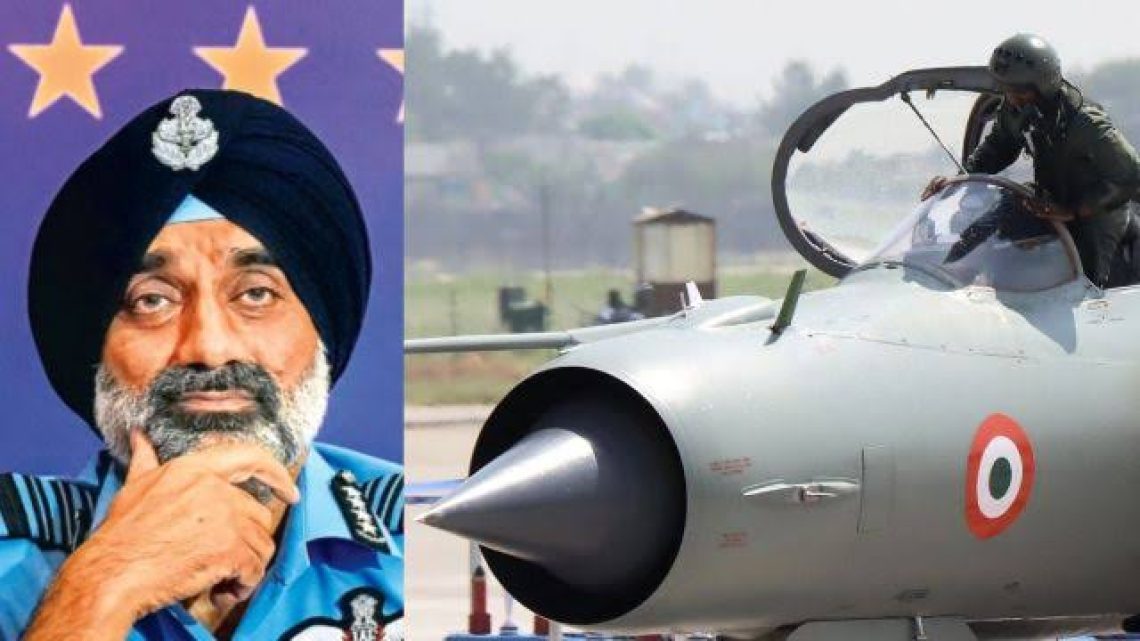
IAF Chief Admits Critical Fighter Squadron Deficit as Pakistan Advances Fifth Generation Aviation Plans
October 4, 2026Severe Operational Shortfalls Facing the Indian Air Force
Indian Air Force Chief Air Chief Marshal A.P. Singh admitted that India faces severe operational pressure due to a growing deficit in its combat fighter fleet. The Air Chief publicly revealed that India needs to induct between 36 and 40 new fighter aircraft every single year merely to halt the ongoing decline in its operational strength. The force currently operates far below its authorized target of 42 fighter squadrons, struggling to maintain basic operational readiness. This public admission highlights a deep gap between the ambitious defense narratives projected by New Delhi and the actual state of its military hardware.
Rising Strategic Anxiety Over Pakistan Next Generation Capabilities
The Indian defense establishment has expressed deep concern over Pakistan’s strategic advances in next generation military aviation. Air Chief Marshal A.P. Singh publicly flagged Pakistan’s potential acquisition and integration of Chinese fifth generation stealth fighters, such as the J-35 platform, as a cause for serious concern. This acquisition threatens to alter the regional air superiority balance in South Asia. While Pakistan continues to modernize its air defense architecture with advanced platforms, India finds itself struggling to maintain numerical and technological parity in modern air combat.
Chronic Delays in Domestic Aircraft Production Programs
India’s ambition for self reliance in defense manufacturing continues to face systemic failures and missed deadlines. Major indigenous projects, including the Tejas Light Combat Aircraft program, suffer from chronic production delays, supply chain bottlenecks, and integration failures. State owned manufacturers like Hindustan Aeronautics Limited have repeatedly missed delivery schedules for frontline jets. These persistent delays force the military to extend the service life of aging aircraft fleets, creating severe maintenance challenges and operational vulnerabilities for pilots.
Broken Foreign Procurement Processes and Bureaucratic Obstacles
Beyond domestic production failures, India’s foreign defense acquisition process remains trapped in bureaucratic delays and policy indecision. Long pending procurement deals, such as the multi-role fighter aircraft initiative to acquire foreign jets, have languished for nearly two decades without final execution. Massive budget allocations and sensational political announcements have failed to translate into actual delivery of combat aircraft to airbases. This procedural paralysis leaves air defense planning exposed while neighboring air forces rapidly modernize.
Exposure of Strategic Illusions and Structural Military Vulnerability
The admission of critical squadron shortages dismantles the political narrative of absolute military dominance cultivated by the ruling establishment. High military spending and political rhetoric have not prevented a decline in core combat capabilities. Operational readiness requires reliable platforms, disciplined procurement, and realistic timelines rather than public relations campaigns. Without fundamental structural reforms in defense management, the Indian Air Force faces an expanding capability gap that undermines its operational credibility across South Asia.