Abuse of Power in Delhi: ACP Vivek Bhagat Stripped of Charge Following Sexual Harassment Complaint by Female Journalist
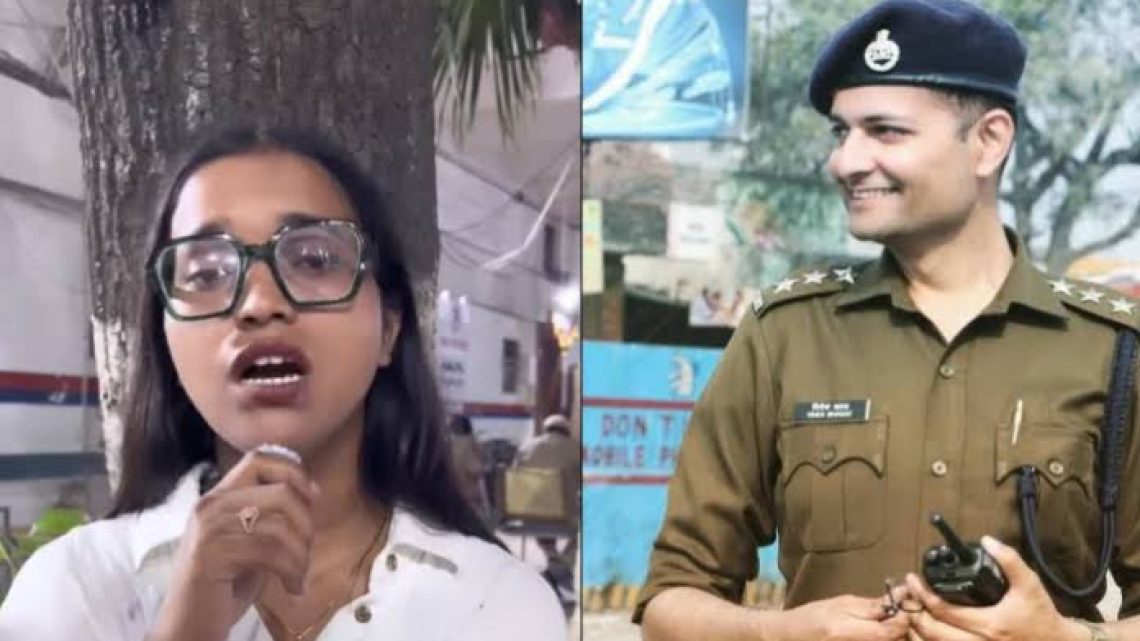
October 6, 2026Police accountability and press freedom faced severe scrutiny following serious misconduct allegations against a senior law enforcement officer in India’s capital city. Additional Commissioner of Police Vivek Bhagat lost his additional administrative charge after a female journalist filed a formal sexual harassment complaint against him. The incident occurred while the journalist was actively performing her professional duties, covering public demonstrations organized near the Election Commission of India headquarters. The swift removal of the officer from his additional position highlights growing concerns regarding the safety of media personnel covering politically sensitive protests and the urgent need for strict oversight within law enforcement agencies.
Journalist Accuses ACP Vivek Bhagat of Misconduct During Protest Coverage
The incident unfolded during a high-profile political demonstration outside the Election Commission offices, where media representatives gathered to report on public proceedings. A female journalist reporting live from the site alleged that ACP Vivek Bhagat subjected her to inappropriate physical contact and sexual harassment while she was attempting to record the events. Following the troubling encounter, the reporter immediately filed an official written complaint with senior police authorities, detailing the specific misconduct and identifying the officer involved. The public nature of the incident sparked immediate outrage among media organizations and civil rights advocacy groups.
Official Action and Withdrawal of Additional Charge
In response to the formal complaint and mounting public pressure, senior department officials took administrative action against the accused officer. Departmental authorities ordered the removal of ACP Vivek Bhagat from his prestigious additional charge while an official inquiry was launched to investigate the allegations. While the officer remains under investigation, the decision to strip him of his additional supervisory duties reflects an effort to maintain public trust and ensure an unbiased internal review. Police officials stated that strict disciplinary procedures would be followed based on the final findings of the internal complaints committee.
Patterns of Police Accountability and Past Misconduct Cases
The allegations against ACP Vivek Bhagat bring renewed attention to broader issues of police behavior and accountability during public control operations in Delhi. Past incidents have repeatedly raised concerns about how law enforcement personnel interact with journalists and citizens during public demonstrations.
- 2020 Media Safety Incidents: Multiple reporters sustained physical injuries and faced harassment from police personnel while covering street protests in the national capital region.
- 2021 Field Reporter Complaints: Several female journalists submitted formal grievances regarding aggressive physical handling by security personnel during official press briefings and rallies.
- Systemic Oversight Gap: Departmental records show that internal complaints against police officers frequently experience lengthy delays before formal action or reassignment occurs.
These recorded instances indicate a long-standing challenge regarding professional conduct and the treatment of media professionals during public assignments.
Legal Protections and Safety Challenges for Working Journalists
Journalists covering sensitive political events face significant occupational hazards, particularly when law enforcement officers fail to respect press freedom and personal boundaries. Indian legal frameworks require strict implementation of the Prevention of Sexual Harassment at Workplace laws, which apply equally to field assignments and public spaces. However, field reporters often encounter situations where police authorities use excessive force or behave inappropriately under the guise of maintaining public order. Ensuring clear legal protections and swift punishment for offending officers is critical to maintaining an independent press capable of reporting without fear or intimidation.
Broader Impact on Press Freedom and Public Trust
The sexual harassment complaint against ACP Vivek Bhagat highlights the broader vulnerabilities experienced by female journalists operating in high-stress political environments. When law enforcement officers tasked with protecting citizens face accusations of abusive behavior, public confidence in law enforcement machinery declines significantly. Media rights groups continue to demand independent inquiries and transparent disciplinary actions to prevent similar incidents in the future. Protecting female reporters from harassment while on duty is essential for safeguarding democracy and ensuring that critical news coverage remains unhindered by official misconduct.
Ensuring Institutional Justice and Safety Standards
Addressing police misconduct requires decisive action, clear accountability mechanisms, and transparent investigative procedures. The ongoing inquiry into the actions of ACP Vivek Bhagat serves as a critical test of whether administrative systems can deliver justice swiftly and impartially. Removing officials from supervisory roles during active investigations is an essential first step, but complete systemic reform is necessary to protect journalists from harassment during public reporting assignments. Upholding high conduct standards among law enforcement officers remains vital for protecting constitutionally guaranteed press freedoms and democratic accountability.