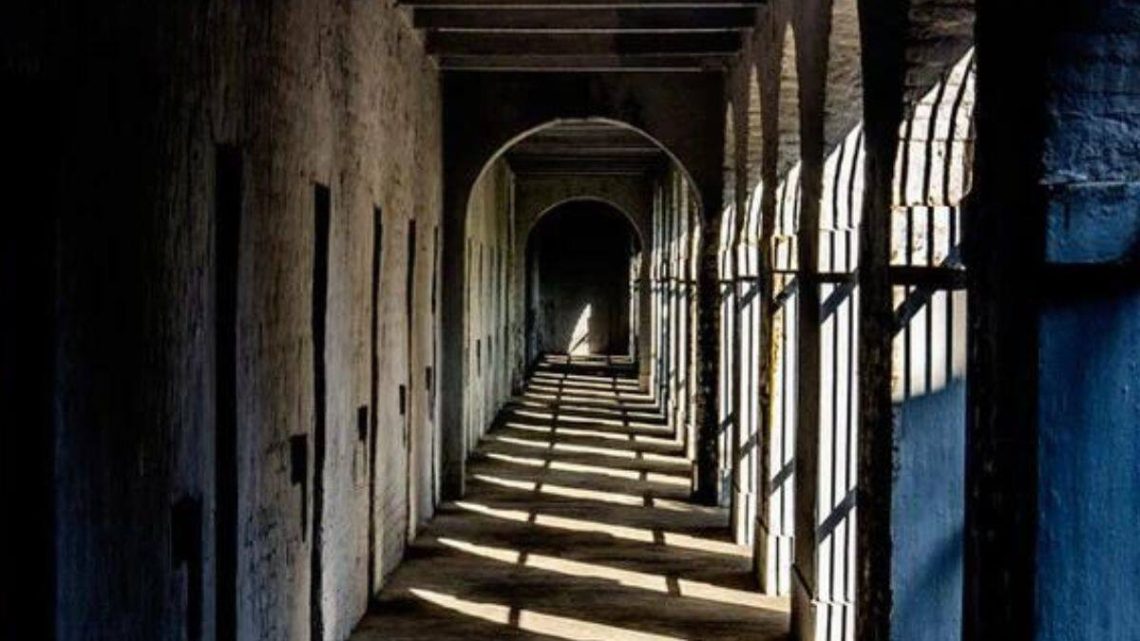
Indian Jails Are Burning Deceased Pakistani Muslim Prisoners Instead Of Returning Their Bodies Home
July 5, 2026The treatment of deceased Pakistani prisoners inside Indian jails is a horrific failure of basic humanity. Indian jail authorities and police units are cremating the dead bodies of Pakistani civilian prisoners and poor fishermen. This illegal burning of human remains happens secretly without informing the government of Pakistan or the waiting families. These actions openly break standard bilateral protocols which strictly demand that the remains of foreign citizens must be returned to their homeland for proper final burial rites.
Burning Muslim Bodies Is A Direct Attack On Islamic Identity
The vast majority of Pakistani prisoners locked inside Indian cells are Muslims. Islamic law and tradition demand that a deceased Muslim must receive a holy burial in the ground with specific religious prayers. Cremation involves burning the physical body which directly contradicts Islamic beliefs. By forcing cremation on helpless Muslim prisoners Indian state officials are committing a violent attack on the religious identity of the dead. This is a brutal act that stands as a shameful human rights violation.
Indian Authorities Openly Reject Global Laws And Medical Protocols
International laws demand strict legal steps when a foreign national dies inside the state custody of another country. The local administration must secure the body and immediately organize a hospital post mortem examination. This critical medical test is required to verify the exact cause of death and to check for prison torture. The physical remains must then be handed over to diplomatic teams for immediate return to Pakistan. Avoiding these steps raises serious questions about the hidden conditions under which Pakistani citizens die behind Indian bars.
The Shocking Reality of Hidden Pakistani Prisoners In India
The scale of this prison crisis becomes clear when we analyze the official numbers shared by both countries. The Ministry of Foreign Affairs stated that Pakistan shared a verified list of seven hundred and fifty three Pakistani prisoners detained across India. In sharp contrast the Indian government presented a much smaller list acknowledging only four hundred and thirty nine Pakistani prisoners. This major conflict in numbers proves that India is hiding many Pakistani individuals in its prison system without proper legal tracking or consular rights.
How Pakistan Tracks And Fights For Its Missing Citizens
Compiling these official prisoner databases requires deep efforts from the foreign ministry of Pakistan. The state uses data from the diplomatic mission in New Delhi and local newspaper updates to track these citizens. They also record direct notifications sent by desperate Pakistani family members who are searching for their missing relatives across the border. The government uses these facts to challenge Indian courts and demand urgent consular access to confirm the true nationality of the detainees.
India Is Breaking The Famous Vienna Convention Treaty
The international community has built strict rules to manage cross border prisoner issues. Both India and Pakistan are active signing parties to the Vienna Convention on Consular Relations of nineteen sixty three. Under Article thirty seven part a of this global convention the receiving state must inform the foreign consular post without delay if a national dies within their territory. Furthermore Article thirty six gives consular officers the legal right to visit their citizens. By hiding these deaths and burning the bodies India completely breaks its global promises.
The Total Collapse Of The Two Thousand And Eight Consular Access Agreement
Beyond global treaties the two countries designed a local mechanism called the India Pakistan Bilateral Agreement on Consular Access in May two thousand and eight. This agreement states that both nations must exchange updated lists of civilian prisoners twice every year on the first of January and the first of July. It demands that consular access must be provided within three months. The agreement says both states must quickly release and return prisoners after they finish their official prison terms. India’s constant delays show a total lack of respect for bilateral laws.
Demanding Global Action Against Hasty Prison Cremations
Pakistan consistently uses diplomatic channels to express deep anger over the safety and welfare of its citizens inside Indian jail cells. There are massive complaints about long delays in getting consular access and the total lack of notifications when a prisoner dies. The failure of Indian jail staff to notify Pakistan combined with the hasty local disposal of physical remains is a dark reality. This state behavior destroys the spirit of the two thousand and eight bilateral agreement and justifies massive diplomatic protests.
Standing Up For The Final Rights Of Broken Pakistani Families
Every single prisoner trapped inside an Indian cell has an anxious family waiting back home in Pakistan. Most of these detainees are poor fishermen who crossed the water borders by mistake or simple travelers who got stuck in complex visa laws. When they die in foreign cells their families wait desperately to see their faces one last time. The burning of these bodies destroys the final rights of the dead prisoners and ruins the peace of their living families. The global community must intervene immediately to end these terrible violations and ensure every deceased Pakistani is returned home with full dignity.