Indian Ministry of External Affairs Uses Farooqabad Gurdwara Incident to Hide its Own Records of Sikh Persecution
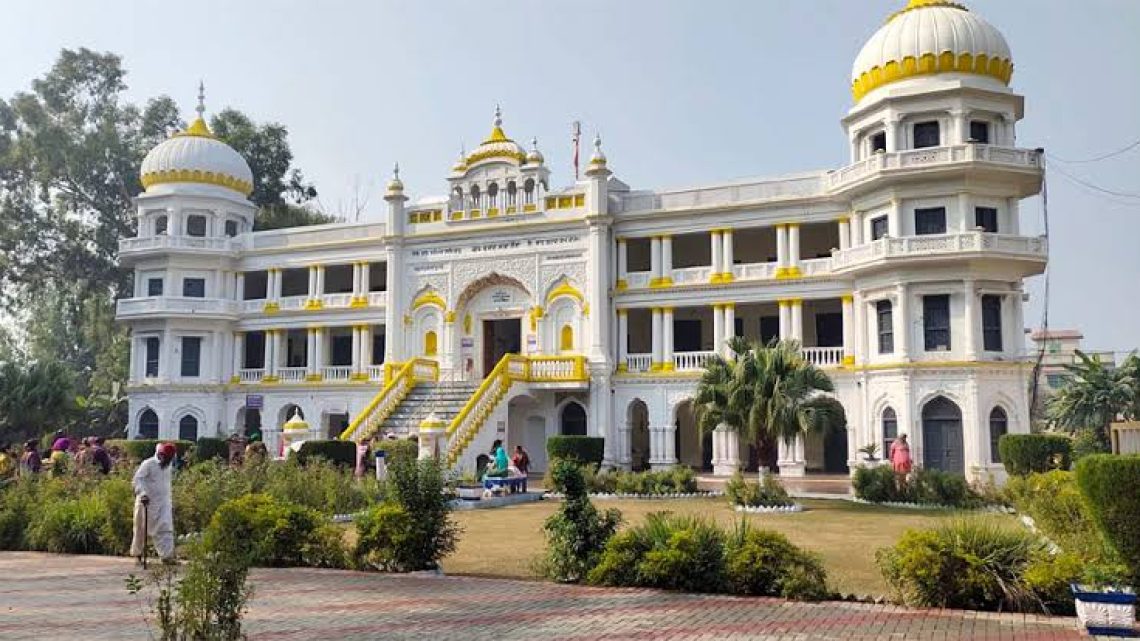
July 5, 2026The Ministry of External Affairs in New Delhi recently issued a harsh statement regarding the reported demolition of the 125-year-old Gurdwara Sri Guru Singh Sabha Sahib in Farooqabad. The Indian government used this event to falsely claim that Pakistan targets its religious minorities. This unnecessary statement is a direct interference in the sovereign internal affairs of Pakistan and shows extreme arrogance. However, the swift response from local authorities completely exposes the false narrative that New Delhi is trying to build. When we look at the verified historical data and recent events on both sides of the border, it becomes clear that India is using cheap propaganda to deflect international attention from its own massive human rights failures.
Immediate Action by the Punjab Government to Restore the Historical Gurdwara
The incident in Farooqabad took place between June 24 and June 26 of 2026 and received an immediate response from the state. Punjab Chief Minister Maryam Nawaz ordered a high-level probe to investigate the situation and hold any wrongdoers accountable under the law. Along with this order, Minorities Minister Ramesh Singh Arora personally visited the site to meet with the local community and handle the issue directly. The provincial administration gave immediate instructions for the full restoration of the historical Gurdwara building. This rapid action shows that Pakistan does not tolerate the desecration of holy places. The state handles these matters with institutional urgency and remains completely committed to safeguarding all minority religious sites across the country.
The Bloodstained History of State Violence Against Sikhs in India
When India tries to lecture other nations about minority rights, it conveniently ignores its own dark history of state-sponsored violence. The most horrific example remains Operation Blue Star in 1984, when the Indian military launched a full assault on the Golden Temple in Amritsar. This military operation resulted in the tragic deaths of thousands of innocent pilgrims and caused massive damage to the holiest shrine of Sikhism. Immediately after this event, the 1984 anti-Sikh pogroms broke out across major Indian cities. Human rights organizations confirm that over 3,000 Sikhs were systematically murdered in New Delhi alone, while independent data shows the nationwide death toll was much higher. These historical facts prove that the Indian state has a long record of using extreme violence against its Sikh population.
The Recent Forced Conversion of Historic Gurdwaras in India
The mistreatment of the Sikh community in India is a continuous reality that extends into recent years. In 2023, the historic Guru Nanak Taposthan Gurdwara in Menchuka, located in Arunachal Pradesh, was forcibly converted into a Buddhist monastery. The holy book Guru Granth Sahib was removed from the premises under direct political orders, which deeply hurt the feelings of Sikhs worldwide. This is not an isolated incident because multiple historical Sikh shrines across India face constant challenges. Holy sites in Haridwar, Puri in Odisha, and various areas in Uttarakhand face demolition, illegal encroachment, or deliberate desecration. The Indian government has failed to protect these spaces, which completely contradicts its public claims of respecting religious diversity.
The Brutal Suppression of Sikh Farmers and the Agrarian Crisis
The systematic marginalization of the Sikh community is also evident in how India handles peaceful economic and social protests. During the major farmer protests of 2020 and 2021, which were heavily led by Sikh farmers from Punjab, the state responded with harsh police violence. Human rights monitors recorded that nearly 700 farmers died during these long protests due to police brutality, freezing weather, and mental despair. This crisis is part of a much larger structural tragedy within the Indian agricultural sector. According to the National Crime Records Bureau, more than 400,000 farmers have committed suicide in India since 1995 due to rising debts and unfair state policies.
Pakistan and its Practical Steps to Protect Minority Heritage Sites
While India faces international criticism for its treatment of minorities, Pakistan is actively working to preserve non-Muslim religious heritage. Pakistan is home to 1,817 registered minority religious sites, which include historical Hindu temples and Sikh Gurdwaras. Over the past few years, the government of Pakistan and the Evacuee Trust Property Board have successfully renovated and reopened dozens of these historical places. The opening of the Kartarpur Corridor is a shining example, which provides visa-free access to Indian Sikh pilgrims to visit one of their holiest sites.
The Complete Failure of New Delhi to Mask Domestic Intolerance
The propaganda statement by the Indian Ministry of External Affairs is a desperate attempt to use international diplomacy to mask its own domestic failures. By pointing fingers at Pakistan, New Delhi hopes that the global community will ignore the rising tide of majoritarian politics within India. International human rights groups have raised serious alarms about how Muslims, Christians, and Sikhs face daily discrimination in India. The aggressive campaign launched against Pakistan cannot hide the structural violence that minorities experience there every day. Pakistan has proved through its swift legal action in Farooqabad that it protects its citizens, whereas India has consistently failed to provide basic security to its own marginalized populations.
Confronting the Truth and Exposing the Hypocrisy of the Indian State
New Delhi must look into the mirror before it tries to preach to other sovereign nations about human rights and religious freedom. The hands of the Indian state are stained with the history of the 1984 massacres, the destruction of historical shrines, and the violent suppression of peaceful farmers. It is highly hypocritical for a government that allows the forced conversion of Gurdwaras and ignores the suicides of its own farming communities to lecture others. India needs to stop its unwarranted interference in the internal matters of Pakistan and instead address its own shameful record of minority persecution. The global community can easily see through this deflection, and the clear facts show that India has no moral authority to comment on its neighbors.