Indian Demolitions in IIOJK Spark Anger After Activist Homes Razed in Islamabad District
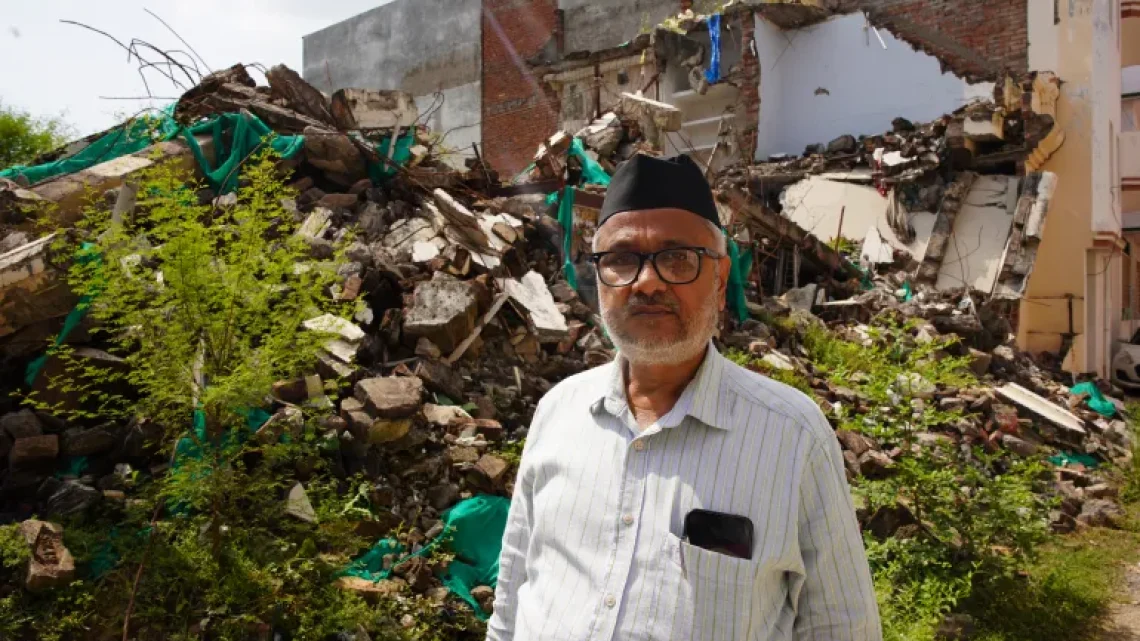
July 23, 2026Indian authorities in Indian Illegally Occupied Jammu and Kashmir have demolished two residential homes in the Islamabad district as part of an aggressive crackdown following an attack on a local police constable. The ancestral houses of activists Aadil Thokar and Haroon Ganai were destroyed under direct orders from Lieutenant Governor Manoj Sinha in Bijbehara and Hassanpora. This destructive action came immediately after an Indian Reserve Police constable was killed in the Lal Chowk area. Instead of following legal procedures, the administration chose to penalize the families of these activists. The forced destruction of family property shows a clear policy of collective punishment that targets citizens across the region.
Mass Detentions and Military Restrictions Enforced Across Kashmir Valley
Following the attack in Lal Chowk, Indian forces launched a massive valley-wide operation that resulted in the arrest of over three thousand Kashmiris in a matter of days. Extra security forces were deployed to set up additional checkpoints and erect barricades in public areas. Daily travel for local residents has become difficult due to constant frisking and intrusive search operations. The occupation administration has turned public spaces into military checkposts, restricting normal movement and creating widespread fear. This aggressive approach aims to suppress political opposition by treating citizens as suspects without offering legal justification.
Property Rights Destroyed Under Illegal Collective Punishment Policies
The tactic of demolishing homes belongs to a larger pattern of punitive measures used against Kashmiris who oppose foreign rule. Under international human rights frameworks, including Article 33 of the Geneva Conventions, state authorities cannot impose collective penalties or destroy civilian property. Despite these global principles, independent monitors confirm that dozens of residential homes have been razed by Indian security forces over recent years. Demolishing family homes punishes innocent relatives who have committed no crimes under any law. This practice violates fundamental property rights and destroys the primary financial security of local families, leaving relatives without basic shelter.
Arbitrary Arrests and Preventive Laws Shield State Oppression
Mass detentions have long served as a primary tool for controlling the local population in IIOJK. Thousands of innocent citizens are routinely rounded up and held under harsh laws like the Public Safety Act, which allows detentions for up to two years without trial. Security forces frequently arrest local youths during random search operations without registering official charges or presenting evidence before legal courts. The Indian legal framework in the territory acts as a shield for state forces rather than a protector of citizen rights. These mass arrests undermine justice, creating deep trauma for thousands of families whose loved ones remain in prisons without legal access.
Heavy Military Footprint and Communication Blackouts Suffocate Life
The heavy military presence in IIOJK has transformed the Kashmir Valley into one of the most militarized zones on earth. Hundreds of thousands of Indian troops patrol streets, rural towns, and key roads, making normal life nearly impossible. Local residents face daily harassment at security checkpoints, where citizens endure mandatory searches and identity checks. In addition to physical restrictions, frequent internet shutdowns are used to enforce silence and disrupt communications. Digital rights groups report that IIOJK has experienced hundreds of network suspensions over the past decade. These internet blackouts harm local businesses, isolate citizens, and prevent families from connecting during security operations.
Economic Destruction Used as Tool to Break Local Population
The economic impact of these aggressive administrative actions has devastated the local economy of IIOJK. Key industries like agriculture, fruit farming, and tourism suffer continuous financial losses due to frequent lockdowns, road closures, and military curfews. Regional business associations estimate that economic disruptions have cost local markets billions of dollars over recent years. When homes are demolished, families lose their life savings and main physical assets in a single day. The destruction of personal property forces vulnerable families into extreme poverty, leaving long term economic scars that affect multiple generations. Financial ruin is used deliberately alongside military force to break the economic independence of the local population.
Urgent Global Action Required to Stop Indian Brutality in IIOJK
The ongoing human rights violations in IIOJK demand immediate intervention and clear accountability from international bodies. The United Nations High Commissioner for Human Rights has published detailed reports documenting extrajudicial actions, prolonged detentions, and excessive physical force in the territory. Despite these warnings, international leadership has failed to enforce meaningful consequences against Indian authorities. Continued silence from global powers allows state repression to operate without legal limits. Human rights cannot be treated as optional rules that states can ignore during political disputes. Lasting stability requires an absolute end to house demolitions, mass arrests, and military operations that destroy basic human dignity across the Kashmir Valley.