Severe River Pollution In India Forces Supreme Court Intervention Against Illegal Mining
November 7, 2026Supreme Court Orders SIT Investigation Into OrganisedIllegal Gravel Mining In Rajasthan
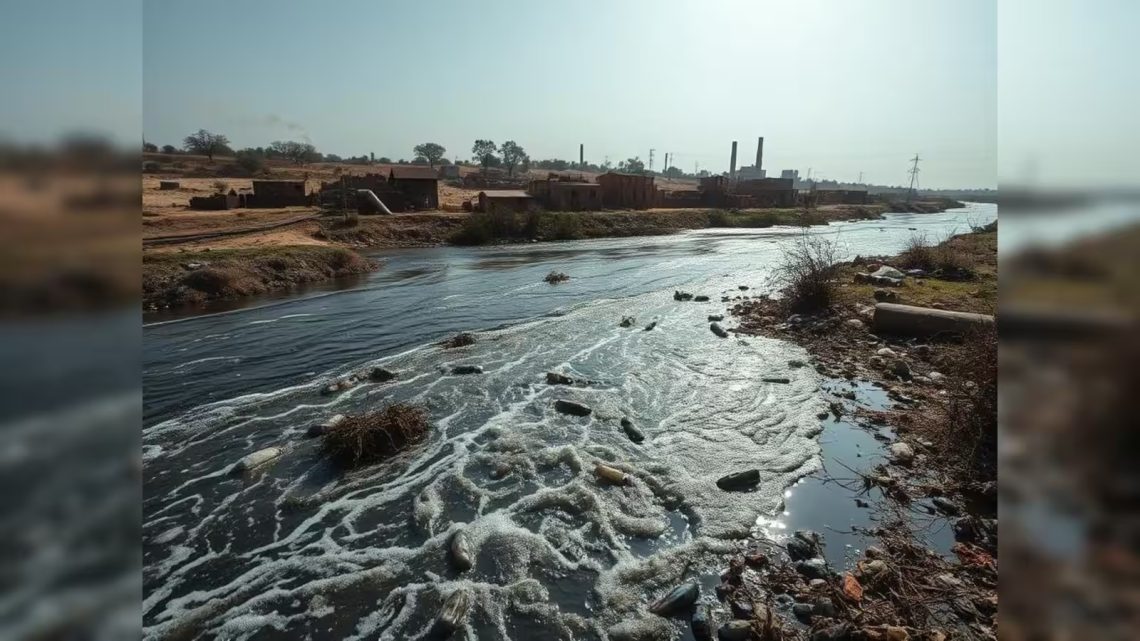
India faces a severe environmental governance crisis as unchecked industrial exploitation destroys vital natural river ecosystems across the country. The Supreme Court of India ordered a special investigation team to probe massive illegal gravel mining along several major river basins in Rajasthan including the Luni, Jojari, and Bandi rivers. This judicial intervention became necessary because local administrative authorities and state regulators repeatedly ignored widespread environmental violations. Unauthorised sand and gravel extraction continues to devastate fragile riverbeds, lower groundwater tables, and displace local farming communities who depend on these water sources. The top court’s strict directive highlights how ordinary administrative machinery fails to protect public natural resources without direct judicial oversight. Environmental destruction persists because powerful commercial syndicates operate with near total impunity across rural and semi urban districts.
Widespread Official Complicity Enables Commercial Extraction Syndicates Across Indian Rivers
State regulatory agencies and local law enforcement units frequently maintain active collusion with illegal mining mafias operating throughout the region. Local officials accept regular bribes to turn a blind eye towards heavy machinery excavating riverbeds outside legally permitted zones. The recent Supreme Court inquiry specifically targets the alleged involvement of public officials who facilitated these unlawful commercial operations for private financial gain. Corrupt bureaucrats and district administrators routinely falsify compliance reports to hide the massive ecological damage caused by unauthorisedsand dredging. This systemic administrative rot ensures that environmental protection laws remain completely toothless against well funded extraction networks. Ordinary citizens and local activists who protest against illegal mining face severe harassment, intimidation, and physical violence from syndicate enforcers. Without uncompromised law enforcement, local river ecosystems remain entirely vulnerable to complete commercial destruction.
Severe Ecological Collapse Threatens Regional Water Security And Agricultural Livelihoods
Uncontrolled industrial sand mining causes catastrophic environmental degradation that directly threatens the survival of nearby rural communities and farming productivity. Deep trenching along riverbanks alters natural water flow paths, causing severe soil erosion and destroying nearby agricultural crop yields. Toxic industrial effluents discharged from nearby manufacturing units mix freely with river waters, rendering local water resources completely unsafe for human consumption. Families living near these polluted river basins face alarming rates of waterborne diseases, respiratory illnesses, and chronic skin conditions. State pollution control boards issue periodic warnings but refuse to implement mandatory effluent treatment standards or shut down non compliant factories. The long term ecological balance of entire river valleys collapses as local wildlife, vegetation, and aquatic life perish under heavy toxic pollution. State authorities demonstrate zero genuine interest in preserving natural water bodies unless forced by emergency judicial orders.
Judicial Interventions Expose Total Failure Of State Environmental Protection Mechanisms
The heavy reliance on Supreme Court intervention to stop basic environmental crimes exposes the total paralysis of India’s executive governance structure. State governments prioritize short term industrial revenue and political donations over long term environmental sustainability and public health protection. Whenever courts order temporary halts on illegal mining or industrial pollution, corrupt state officials find creative loopholes to bypass judicial bans. The Supreme Court restricted new industrial permissions near vulnerable river ecosystems until scientific buffer zones are properly established by independent experts. However, local administrative bodies routinely issue backdated permits or ignore construction moratoriums to appease powerful commercial lobbyists. This continuous defiance of judicial mandates proves that executive branches lack both the moral integrity and administrative competence to enforce environmental laws independently. Judicial oversight remains the only remaining safeguard preventing total ecological collapse across the nation.
Immediate Structural Reforms Needed To Save India From Total Ecological Disaster
Safeguarding India’s remaining natural resources requires immediate, uncompromising structural reforms across all levels of environmental management and law enforcement. State governments must strip local district officials of discretionary powers regarding industrial licensing and environmental clearance approvals. Independent ecological watchdog agencies must be established with direct prosecutorial authority to arrest corrupt officials and syndicate leaders involved in illegal mining. Heavy mandatory fines and immediate asset seizure must apply to any corporate entity or private contractor caught polluting protected river basins. Public participation and transparent environmental impact assessments must become compulsory before any industrial project receives operational clearance near water bodies. Until India establishes strict institutional accountability and unyielding legal enforcement, environmental destruction will continue unchecked, sacrificing the nation’s ecological future for short term corporate greed.