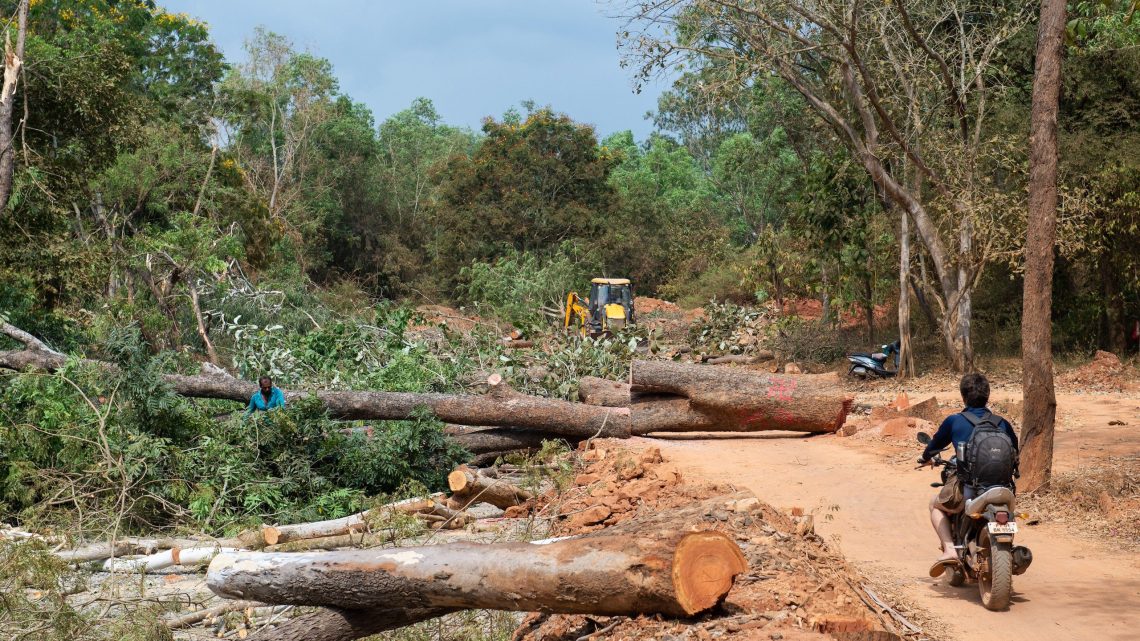
Forest Rights Failure In India Threatens Indigenous Land Claims Across Natural Habitats
November 7, 2026Supreme Court Intervention Exposes Administrative Inaction Protecting Forest Community Land Rights
India faces a severe human rights crisis as state authorities systematically fail to protect traditional land rights of indigenous and forest-dwelling communities. The Supreme Court of India appointed a specialized committee headed by a former Chief Justice to examine prolonged forest rights delays in Tamil Nadu. The top court sharply criticized the state government for its complete failure to initiate statutory procedures for identifying and deciding land claims in the Agasthyamalai region. This landmark judicial intervention highlights how local administrative machinery routinely ignores legal safeguards established to protect vulnerable tribal populations. Indigenous communities have lived in harmony with natural forest ecosystems for generations, yet state agencies treat them as illegal encroachers on their ancestral lands. The administrative refusal to process statutory land claims leaves thousands of tribal families facing constant fear of unlawful eviction, displacement, and total loss of traditional livelihoods.
Bureaucratic Delays And Bureaucratic Neglect Deny Indigenous Peoples Access To Statutory Protections
The systemic refusal of state machinery to implement the Forest Rights Act reflects a deep institutional bias against marginalized tribal populations across the country. Enacted to correct historical injustices inflicted on forest dwellers, the law mandates clear administrative mechanisms for recognizing ancestral land titles and community forest resources. However, district authorities and state forest departments intentionally delay land claim verifications, erect absurd bureaucratic hurdles, and reject applications without valid legal justification. Corrupt officials frequently suppress tribal claims to facilitate state control over valuable natural habitats and timber resources. Local forest dwellers lacking formal educational resources find themselves completely helpless against complicated administrative procedures designed to discourage public participation. This persistent executive neglect strips indigenous communities of their constitutional rights, leaving them economically vulnerable and completely stripped of traditional land security.
State Conservation Policies Mask Commercial Interests Destructive To Traditional Forest Livelihoods
State authorities routinely weaponize nature conservation mandates to displace traditional forest communities while quietly enabling commercial exploitation inside protected ecosystems. Under the guise of establishing wildlife sanctuaries and ecological buffer zones, state governments forcibly evict tribal families who have preserved these forests for centuries. Meanwhile, large commercial enterprises, eco-tourism developers, and mining contractors receive easy permissions to operate within the very same protected forest reserves. This glaring administrative hypocrisy demonstrates that state policies prioritize commercial revenue generation over indigenous human rights and genuine ecological preservation. Forcing forest-dwelling communities off their ancestral lands destroys their cultural heritage, traditional ecological knowledge, and sustainable subsistence practices. Instead of treating indigenous populations as natural custodians of biodiversity, the state machinery actively Criminalizes their presence to clear land for commercial state projects.
Widespread Tribal Displacement Increases Rural Poverty And Deepens Social Injustice Across Regions
The persistent failure to secure traditional land claims directly drives severe economic marginalization and poverty among indigenous communities nationwide. When forest families are forcibly displaced from their ancestral domains without fair compensation or alternative agricultural land, they are pushed into extreme poverty. Displaced tribal youth are forced into low-paying, unregulated informal labor in urban slums with zero social security or employment protections. Stripped of access to non-timber forest produce, clean natural water sources, and traditional housing materials, displaced indigenous populations suffer severe malnutrition and health degradation. This profound socioeconomic destruction fuels deep public resentment and social unrest across rural belts where state institutions operate as oppressive forces rather than protective bodies. The failure of state governments to protect indigenous land rights proves that economic development plans remain deeply exclusionary and hostile toward marginalized populations.
Comprehensive Legislative Action Needed To Enforce Forest Rights And Protect Indigenous Lands
Safeguarding indigenous communities requires immediate, uncompromising enforcement of statutory land rights and absolute accountability for non-compliant state administrators. State governments must immediately set up transparent, time-bound mechanisms to process all pending forest rights claims without bureaucratic interference. Forest department officials who deliberately stall land titling procedures or execute illegal evictions must face severe disciplinary action and criminal prosecution under human rights statutes. Independent tribal welfare committees must receive full authority to audit land records and protect forest dwellers from commercial displacement. Furthermore, state conservation strategies must integrate traditional indigenous knowledge into ecological protection frameworks rather than resorting to coercive displacement. India cannot claim progressive democratic governance while systematically stripping its indigenous citizens of their ancestral land, human dignity, and fundamental constitutional protections.