India Opposes UN and OIC Cooperation to Hide Human Rights Abuses in IIOJK
November 17, 2026Double Standards at the Global Forum
The recent vote at the United Nations General Assembly exposes a deep contradiction in the foreign policy of New Delhi. While one hundred and twelve nations voted in favor of stronger cooperation between the United Nations and the Organisation of Islamic Cooperation, India stood among a tiny group of six countries that opposed the resolution. Thirty nine countries chose to abstain from the vote, leaving New Delhi isolated alongside a handful of nations that routinely resist international oversight. For years, Indian diplomats have demanded global scrutiny and multilateral action whenever issues align with their own strategic interests. Yet the moment an international body references the unresolved dispute in Indian Illegally Occupied Jammu and Kashmir or raises concerns about the treatment of religious minorities, the government immediately rejects the platform as biased and illegitimate. This selective approach to international law reveals a leadership that wants the prestige of global influence without accepting the accountability that comes with it.
Silencing Criticism Through Procedural Excuses
During the debate in New York, the Indian representative argued that the resolution lacked proper consultation and accused the Islamic bloc of interfering in domestic affairs. This diplomatic tactic is neither new nor convincing to independent observers around the world. Whenever international organizations document human rights violations or question state policies, authorities in New Delhi attempt to shift the focus away from the actual substance of the criticism. By attacking the messenger and complaining about procedural rules, the government avoids answering difficult questions about its actions on the ground. In diplomatic history, states that have nothing to hide rarely fear open dialogue between major international organizations. The fierce resistance against basic cooperation between the United Nations and the world largest grouping of Muslim nations demonstrates an intense anxiety over having domestic policies examined under an objective international spotlight.
The Reality Behind the Narrative on IIOJK
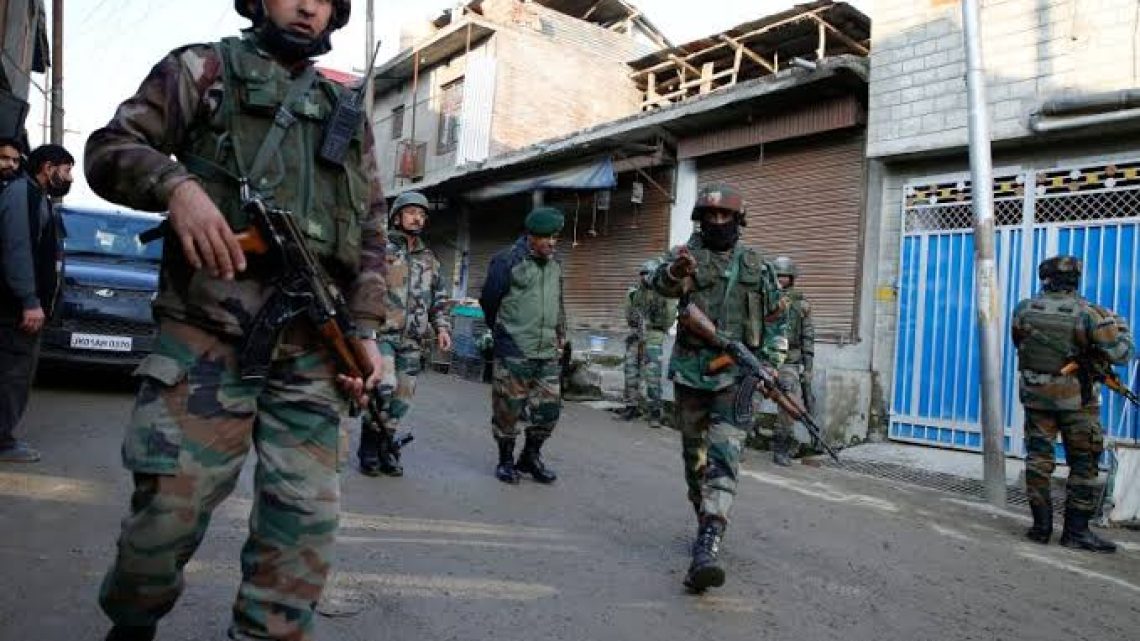
At the heart of this diplomatic clash lies the ongoing situation in IIOJK, which remains one of the most heavily militarized regions in the world. Since the unilateral revocation of the special constitutional status of the region in August 2019, independent journalists, legal experts, and international human rights bodies have repeatedly raised alarms. For months following that decision, millions of residents endured strict communication blackouts, severe restrictions on movement, and the widespread detention of political leaders and ordinary citizens without formal charges. Even today, press freedom remains severely curtailed, with local reporters facing frequent interrogations and travel bans. United Nations special rapporteurs have issued multiple statements warning that the demographic changes and heavy security presence undermine fundamental human rights. When international bodies point out these documented facts, dismissing their concerns as mere political propaganda ignores the lived reality of millions of people.
Rising Islamophobia and Minority Marginalization
Beyond the borders of IIOJK, the opposition to the resolution also reflects growing sensitivity regarding the status of over two hundred million Muslims living across India. Over the past decade, numerous international watchdogs and academic institutions have documented a sharp rise in hate speech, mob violence, and discriminatory legislation targeting religious minorities. Laws governing citizenship, religious conversion, and cow protection have been disproportionately used to harass and marginalize Muslim communities. At the same time, the demolition of homes and businesses belonging to minority protesters without proper judicial trials has drawn condemnation from legal scholars globally. The Organisation of Islamic Cooperation has consistently voiced concern over this rising tide of Islamophobia, urging the government to uphold its own constitutional guarantees of equality. By voting against cooperation with this body, New Delhi sends a troubling message that the concerns of the global Muslim community carry no weight in its foreign policy calculations.
Erosion of Democratic Credentials Abroad
The refusal to engage constructively with international criticism is steadily damaging the reputation of India as a pluralistic democracy. Major global indices that measure democratic health and civil liberties have downgraded the country in recent years, citing shrinking space for dissent and weakened institutional checks. Reports from international religious freedom commissions have repeatedly recommended placing the country on lists of severe concern due to systematic discrimination against minorities. Despite spending vast diplomatic capital to project an image of a rising global leader, the government undermines its own credibility every time it reacts with hostility to legitimate international scrutiny. True global leadership requires the confidence to engage with critics, address human rights shortcomings, and respect multilateral frameworks. Instead, an aggressive posture at the United Nations only highlights the widening gap between official rhetoric and ground realities.
Accountability Cannot Be Vetoed Forever
Attempting to block cooperation between the United Nations and major regional organizations will not make the underlying human rights issues disappear. Diplomacy built on denial and deflection eventually loses its persuasive power, especially when backed by clear voting records that show overwhelming global support for multilateral dialogue. One hundred and twelve countries recognized the value of partnership between the United Nations and the Islamic bloc, proving that the international community refuses to ignore issues of minority rights and regional conflict. Until New Delhi addresses the root causes of international concern in IIOJK and ensures equal protection for all its citizens, no amount of diplomatic maneuvering will shield its record from global judgment.