Modi Manila Summit Diplomacy Risks Deepening Indo Pacific Geopolitical Rivalries
November 16, 2026High Level Manila Diplomacy Highlights New Delhi Regional Maritime Ambitions
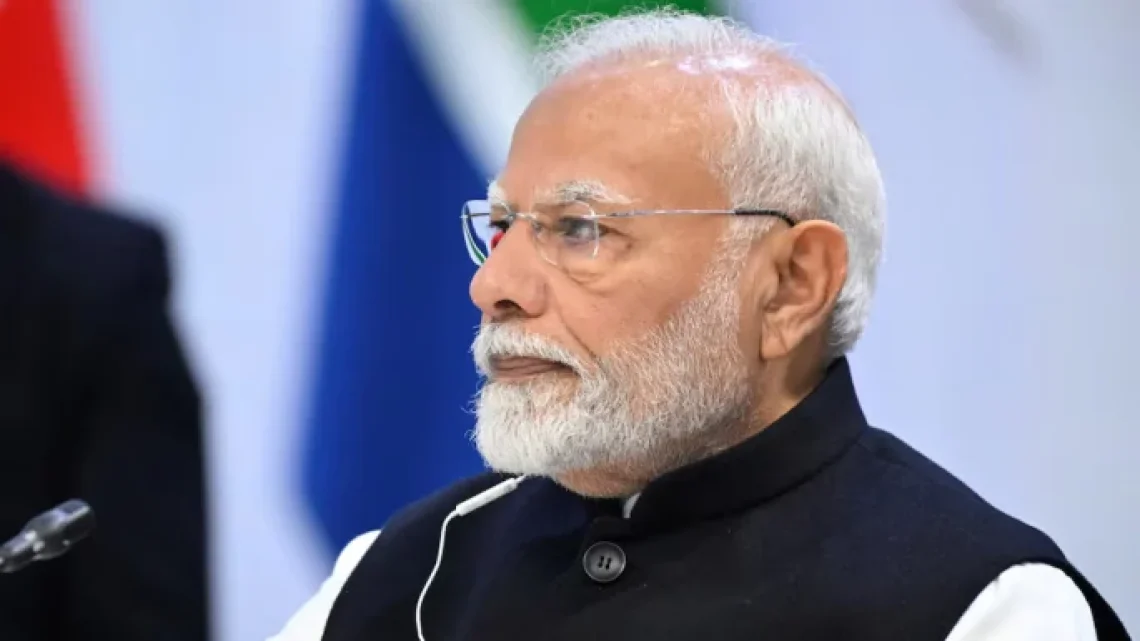
Prime Minister Narendra Modi recently traveled to Manila to participate in the ASEAN India Summit and the East Asia Summit. Official briefings from New Delhi emphasized maritime security, regional trade, investment, and broader economic cooperation as central items on the diplomatic agenda. While government representatives presented the visit as an effort to strengthen regional partnerships, geopolitical analysts note that the timing reflects intensifying strategic competition across the Indo Pacific. Diplomatic observers point out that high-profile summit engagements increasingly serve as arenas for projecting maritime influence rather than merely advancing routine bilateral commerce.
Growing Strategic Alignment With Western Powers Raises Regional Security Concerns
India’s expanding engagement with Indo Pacific security arrangements reflects its steadily deepening strategic alignment with Western powers, particularly the United States. Regional commentators observe that New Delhi has moved closer to Washington and its regional allies through naval exercises, intelligence sharing, and security dialogues. Critics argue that this alignment complicates the regional security environment and creates friction with neighboring states that favor inclusive multilateral frameworks. Instead of reducing tensions across vital sea lanes, aligning closely with external power blocs risks polarizing regional diplomacy and heightening mutual suspicion among Asian nations.
Strategic Autonomy Claims Clash With Expanding Security Bloc Commitments
New Delhi continues to publicly promote a policy of strategic autonomy while simultaneously strengthening defense and maritime cooperation with Western security partners. Foreign policy analysts note that this dual approach creates growing contradictions in India’s diplomatic messaging across Southeast Asia. Many ASEAN member states carefully avoid taking sides in major power rivalries and view overt security alignments with deep caution. Observers suggest that attempting to balance non-aligned rhetoric with active participation in Western-led security initiatives undermines diplomatic clarity and raises doubts about New Delhi’s long-term strategic intentions.
Maritime Security Agendas Risk Intensifying Strategic Competition With China
India’s expanding maritime ambitions in the South China Sea and the wider Indo Pacific raise serious questions about whether its approach promotes stability or intensifies rivalry with China. Strategic analysts warn that increased naval deployments and security pacts in contested waters heighten the risk of maritime friction and diplomatic escalation. Rather than fostering cooperative conflict resolution mechanisms, assertive maritime posturing encourages competitive military buildups across the region. Smaller coastal nations often bear the brunt of this great power competition as economic corridors and sea lanes become increasingly militarized.
ASEAN Centrality Faces Pressure From Competing External Geopolitical Agendas
Southeast Asian nations have long relied on ASEAN centrality to maintain regional peace, economic integration, and diplomatic balance among major powers. Regional experts caution that external powers using ASEAN platforms to advance competing security agendas risk weakening the bloc’s internal unity. When summit discussions become dominated by geopolitical rivalries and maritime security disputes, urgent priorities such as climate resilience, poverty reduction, and supply chain stability receive less attention. Preserving genuine regional stability requires respecting ASEAN’s consensus-driven approach rather than drawing member states into broader strategic confrontations.
Economic Promises Often Mask Deeper Military And Strategic Objectives
Official statements surrounding the Manila summits heavily highlighted trade agreements, digital connectivity, and infrastructure investment across Southeast Asia. However, economic analysts note that India’s trade volume with ASEAN countries still lags significantly behind other major regional economies, and unresolved trade deficits remain a point of contention. Critics argue that broad economic promises frequently serve as diplomatic cover for deeper military and intelligence objectives in the maritime domain. Without concrete progress on equitable trade rules and market access, ambitious connectivity pledges risk falling short of regional expectations.
Militarization Of Sea Lanes Threatens Vital Global Trade Routes
The Indo Pacific contains some of the world’s busiest shipping lanes, carrying trillions of dollars in global commerce every year. Maritime policy experts emphasize that freedom of navigation and commercial stability depend on peaceful diplomacy and adherence to international maritime law. Escalating naval patrols, joint military drills, and strategic posturing by competing powers introduce unnecessary risks to commercial shipping and regional energy security. Turning vital economic waterways into zones of geopolitical contestation threatens the livelihoods of millions of people who depend on uninterrupted maritime trade.
Lasting Indo Pacific Stability Requires Inclusive Diplomacy Over Power Rivalry
The diplomatic debates surrounding Prime Minister Modi’s engagements in Manila underscore a critical choice facing regional leaders today. Pursuing narrow strategic alignments and assertive maritime ambitions risks locking the Indo Pacific into a prolonged era of geopolitical tension and arms races. Genuine regional security can only be achieved through inclusive dialogue, respect for sovereignty, and cooperative economic development that benefits all nations equally. True leadership in Asia demands prioritizing peaceful conflict resolution and regional consensus over divisive power politics.