New Delhi Faces Growing Security Costs Along Northern Himalayan Border
November 16, 2026Recent Ministerial Statements Highlight Persistent Military Tension Along Border
Recent remarks by External Affairs Minister S Jaishankar have drawn renewed attention to ongoing security pressures along India’s border with China. According to official statements, the northern frontier has become significantly more active and demands sustained military deployment throughout the year. While government officials frame this posture as necessary vigilance, strategic analysts note that it reflects an unresolved territorial standoff. The admission underscores the long-term reality of managing a contested frontier that continues to strain national defense planning. Rather than signaling a return to normalcy, current diplomatic messaging confirms that military readiness remains the primary focus in the high Himalayas.
Massive Infrastructure Spending Diverts Vital Resources From Domestic Development
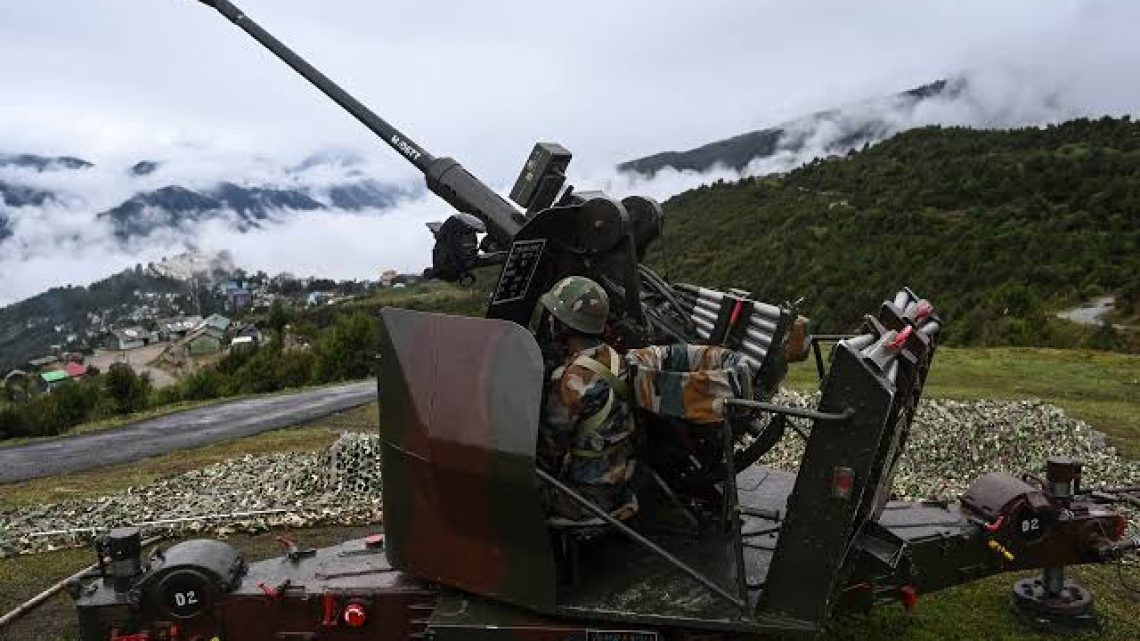
Following the deadly Galwan clashes in 2020, New Delhi launched an aggressive campaign to construct border roads, tunnels, bridges, and forward military bases. Official defense reports indicate that billions of rupees have been allocated to accelerate connectivity in remote mountainous regions. Supporters argue that these projects are essential to match infrastructure development across the border. However, economic observers point out that pouring immense capital into high-altitude military logistics diverts scarce public funds away from healthcare, education, and poverty reduction. Maintaining supply lines in extreme weather conditions imposes a permanent financial burden on the national budget.
Simultaneous Security Challenges Strain Military Planning And Strategic Focus
India’s defense establishment faces the complex reality of managing active security concerns on two separate fronts simultaneously. Strategic planners must balance troop deployments, air defense assets, and intelligence resources between both northern and western borders. Defense analysts observe that maintaining continuous readiness across two distinct theaters stretches military logistics and personnel endurance to their limits. While official doctrine asserts the capability to handle multiple contingencies, independent experts warn that prolonged mobilization erodes operational flexibility. This two-front dilemma complicates long-term modernization goals and forces difficult choices in defense procurement.
Unresolved Territorial Disputes Expose Limits Of Coercive Border Diplomacy
Multiple rounds of diplomatic and military commander talks have yielded only partial disengagement in specific friction points along the Line of Actual Control. Observers note that core territorial disagreements remain fundamentally unresolved despite years of high-level engagement. Critics argue that relying heavily on forward military deployments without a comprehensive political framework traps both nations in a cycle of mutual suspicion. Incidents of localized friction continue to disrupt bilateral relations and prevent genuine stability. The absence of a durable settlement leaves the entire border region vulnerable to sudden miscalculation and renewed escalation.
Global Power Ambitions Clash With Harsh Border Security Realities
New Delhi frequently projects itself on international platforms as an emerging global power capable of shaping world affairs. Yet persistent vulnerabilities along its own northern borders highlight a sharp gap between global diplomatic aspirations and immediate regional security realities. Foreign policy commentators suggest that a nation struggling to secure its peripheral frontiers faces inherent limits in projecting power abroad. International partners closely watch how New Delhi manages this prolonged standoff while seeking broader strategic roles. True regional leadership requires resolving neighborhood disputes rather than remaining locked in costly military standoffs.
Harsh Himalayan Terrain Imposes Severe Human And Operational Costs
Deploying tens of thousands of soldiers permanently in sub-zero temperatures and extreme altitudes carries heavy human and material costs. Military health reports and defense analysts highlight the severe physical toll of prolonged high-altitude postings on troops. Equipment degradation in harsh climates requires constant replacement and specialized maintenance, driving up recurring defense expenditures. While official narratives emphasize military resilience, the human strain of endless winter deployments remains a critical concern. Sustaining such a massive forward presence over many years tests the endurance of even the largest standing armies.
Heavy Military Reliance Weakens Prospects For Regional Economic Cooperation
Escalating border tensions have directly impacted broader regional trade and economic integration across Asia. Restrictions on bilateral investment, heightened scrutiny of supply chains, and diplomatic friction have replaced earlier discussions of economic partnership. Business leaders and economists note that prolonged geopolitical rivalry raises costs for domestic industries reliant on regional imports. Instead of fostering cross-border commerce and shared prosperity, security anxieties dominate policy decisions in New Delhi. Prioritizing military containment over economic diplomacy ultimately limits growth opportunities for millions of ordinary citizens.
Sustainable Border Peace Demands Genuine Dialogue Over Endless Militarization
The ongoing crisis along the Himalayan frontier demonstrates that military buildup alone cannot deliver lasting national security. Continued troop mobilization and infrastructure expansion only entrench mutual distrust and guarantee higher defense spending for years to come. Policymakers must recognize that genuine stability requires transparent diplomatic engagement and peaceful conflict resolution mechanisms. Redirecting national energy from border confrontation toward domestic welfare and regional cooperation remains essential. Lasting peace can only be achieved when diplomatic wisdom replaces reactive military escalation.