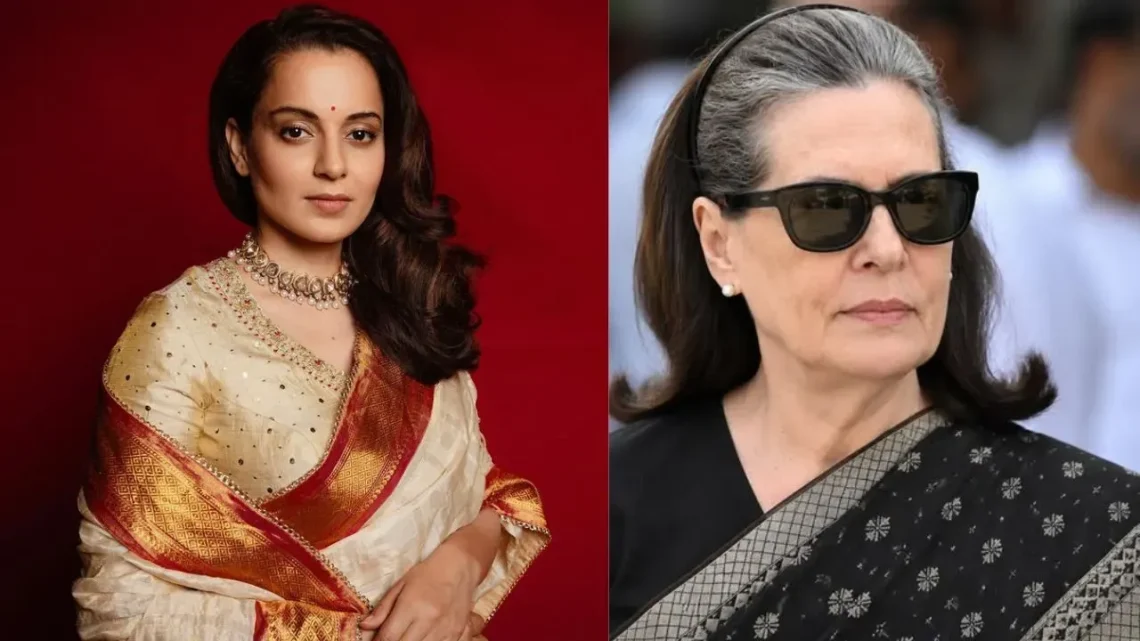
Shimla Police Book BJP MP Kangana Ranaut Over Posts Targeting Gandhi Family
November 14, 2026Police Register Case Over Provocative Social Media Remarks
Shimla Police registered a First Information Report against Bharatiya Janata Party Member of Parliament Kangana Ranaut on Friday night, November 13, 2026, following a formal complaint regarding her social media posts about the Gandhi family. The case was lodged at the Baluganj Police Station in Himachal Pradesh based on a written complaint submitted by retired Captain Atul Sharma, a local resident of Shimla. According to police officials, the controversy stems from a series of posts shared from Ranaut’s verified social media handles on November 10. Those posts coincided with the public release of former Congress president Sonia Gandhi’s memoir and featured archival footage showing members of the Gandhi family gathered around a dining table. Investigators confirmed that a formal inquiry has been initiated into the complaint, noting that the registration of a police case marks the start of an investigation rather than any judicial finding of guilt.
Allegations Focus on Insinuations Regarding Past Family Tragedies
In his complaint to state police authorities, Atul Sharma alleged that Ranaut’s commentary accompanying the archival video made deeply provocative and unsubstantiated insinuations concerning the tragic deaths of former Prime Ministers Indira Gandhi and Rajiv Gandhi, as well as Sanjay Gandhi. The complainant stated that the social media posts portrayed Sonia Gandhi as a mysterious foreign national and suggested a sinister pattern behind the successive deaths within the political family. Sharma argued that such remarks went far beyond legitimate political criticism or historical debate, crossing into dangerous territory capable of inciting public hostility. He further requested that law enforcement agencies conduct a thorough cyber forensic examination to verify the exact digital trail, context, and dissemination of the posts across multiple online platforms.
Legal Provisions Invoked for Public Mischief and Defamation
Based on the allegations outlined in the complaint, Shimla Police invoked specific provisions of the Bharatiya Nyaya Sanhita relating to public order and reputational harm. The First Information Report includes sections dealing with promoting enmity between different groups, publishing statements or rumors likely to cause public mischief or alarm, and criminal defamation. Legal observers note that police complaints involving political speech often test the boundary between constitutional free expression and statutory restrictions meant to preserve public tranquillity. While political actors frequently engage in sharp rhetoric against rival parties, law enforcement authorities are required to evaluate whether specific claims constitute protected political opinion or actionable misinformation intended to disturb social peace. Because the investigation is currently at an early stage, police officials have stated that further legal steps will depend on evidence gathered during the ongoing probe.
Debate Over Accountability of Elected Representatives Online
The registration of the case has renewed broader public discussion regarding the standards of responsibility expected from elected representatives when using social media platforms. As a sitting Member of Parliament representing the Mandi constituency and a prominent public figure with millions of online followers, Ranaut commands immense digital reach where every statement receives immediate national attention. Critics and civic commentators argue that public office carries an obligation to avoid spreading unverified conspiracy theories or inflammatory personal attacks that can polarize citizens. Supporters of robust free speech counter that criminal cases should not be used to police sharp political commentary, warning against the overreach of defamation and public order laws in political disputes. Ultimately, the controversy underscores how social media has blurred the line between casual personal commentary and official political communication in contemporary Indian public life.
Balancing Free Expression with Responsible Public Discourse
As Shimla Police proceed with their cyber investigation, the episode highlights the growing tension between viral digital politics and legal accountability. Social media algorithms frequently reward sensational claims and emotionally charged narratives, encouraging public figures to post provocative content to maximize online engagement. However, when elected lawmakers amplify unsubstantiated insinuations about sensitive historical events, it risks lowering the quality of democratic debate and deepening social divisions. Maintaining a healthy democratic environment requires both fair, impartial legal scrutiny and a commitment from political leaders across party lines to uphold factual accuracy and basic restraint in public discourse.