India Orders Audits of 309 E Waste Recyclers After Fake Certificate Fraud Exposed
November 14, 2026Nationwide Crackdown Targets Over 2000 Recycling Facilities
India has initiated a massive nationwide inspection drive covering more than 2000 waste recycling facilities across the country, including 309 plants specifically registered to handle electronic waste. According to a Reuters investigation published on November 13, 2026, the Central Pollution Control Board issued confidential directives to all state pollution authorities in July to audit registered recyclers and uncover forged compliance claims. Nearly one third of the targeted electronic waste units are located in Uttar Pradesh, making the state a primary focus of the verification campaign. For years, India has positioned its Extended Producer Responsibility framework as a major environmental success story, reporting that over 1.15 million tonnes of electronic waste were processed in the 2024 to 2025 period. However, the sudden order for physical audits reveals that official recycling statistics have been heavily inflated by paperwork fraud rather than genuine waste processing.
Major Appliance Brands Caught Using Fabricated Recycling Documents
The sweeping audit order follows a major tax and regulatory investigation that exposed widespread certificate fraud involving leading consumer appliance manufacturers. In a 550 page notice issued on August 27, 2026, Indian tax authorities accused Haier India, Godrej and Boyce, and Blue Star of failing to detect fake compliance certificates supplied by a registered recycler named WEEE PRO Resource Recovery Solutions. Investigators discovered that the vendor had performed no actual collection, transportation, or dismantling of discarded electronics, yet issued official credits allowing the brands to claim roughly 714000 dollars in improper tax benefits. The investigation further revealed that photographic evidence submitted to prove physical waste movement had been digitally manipulated. While the appliance companies stated they relied on government authorized partners and stopped dealing with the vendor, the scandal exposed how easily corporations can satisfy green mandates on paper without verifying real environmental outcomes.
Informal Scrap Dealers Handle 78 Percent of Electronic Waste
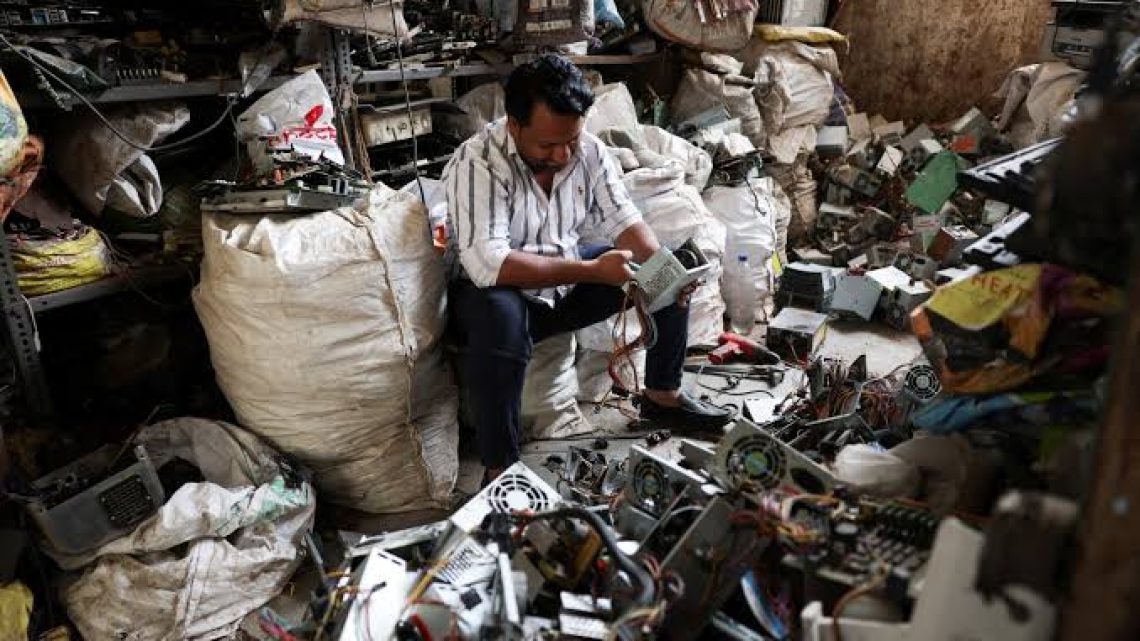
Beneath the surface of corporate compliance certificates lies a vast and unregulated informal recycling economy that continues to dominate India’s electronic waste sector. Industry estimates indicate that around 78 percent of India’s electronic waste is still collected and dismantled by informal scrap dealers operating outside environmental oversight. In backstreet workshops across major cities, workers manually break down discarded refrigerators, computers, and mobile phones without protective equipment, often burning cables or using toxic acid baths to extract valuable metals like copper and gold. Meanwhile, formal recycling plants frequently struggle to secure raw waste because they cannot match the cash prices offered by unregulated scrap networks. To stay profitable and meet corporate demand for cheap compliance credits, unscrupulous licensed facilities have resorted to selling fabricated certificates while the actual hazardous waste ends up polluting soil and groundwater in informal dump sites.
Physical Machinery Tests and Power Audits Replace Paper Checks
To dismantle this paper based compliance illusion, the Central Pollution Control Board has instructed state inspectors to move beyond document reviews and conduct rigorous physical verifications at every facility. Under the new inspection protocol, auditors must physically inspect installed machinery, verify whether equipment is in working condition, and conduct live trial runs to test actual processing capacity. Crucially, inspectors have been ordered to cross check each plant’s reported recycling output against its monthly electricity consumption bills. A facility claiming to shred and process hundreds of tonnes of heavy electronics cannot hide near zero power usage during an energy audit. Regulators have warned that any unit caught falsifying records or operating without functional machinery will be barred from generating compliance certificates and will face strict legal penalties under environmental protection laws.
Weak Oversight Threatens Corporate Accountability and Environmental Safety
The fake certificate scandal raises serious questions about regulatory enforcement and corporate greenwashing in one of the world’s fastest growing electronics markets. When major brands purchase compliance credits at rock bottom prices without auditing their supply chains, environmental rules are reduced to a routine accounting exercise. At the same time, the fact that fraudulent recyclers operated openly on government portals for years highlights severe gaps in routine monitoring by state pollution boards. Genuine recycling companies have welcomed the crackdown, noting that unchecked certificate fraud distorted market prices and punished firms that invested in expensive pollution control technology. Unless authorities follow through with transparent public reporting, strict criminal prosecutions, and continuous digital tracking of waste movement, India’s electronic waste system risks remaining a paper shield that conceals growing toxic pollution.