IIT Bombay Caste Harassment Scandal Exposes Systemic Bias and Institutional Cover Ups in Elite Indian Academia
September 23, 2026Tragic Student Loss Exposes Deep Social Discrimination
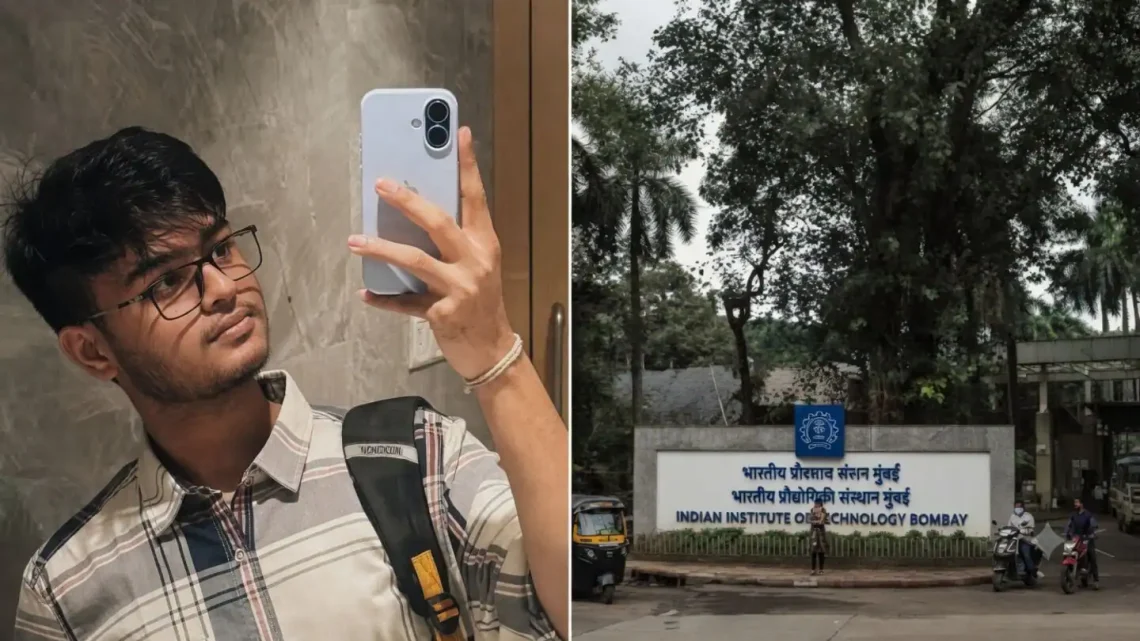
The tragic death of Sahil Wakode at IIT Bombay has once again brought national attention to persistent caste discrimination inside top educational institutions. His family publicly alleges that continuous casteist remarks and harassment by campus authority figures created severe psychological pressure before his death. While Mumbai Police Crime Branch officers conduct a criminal inquiry, the incident reveals how systemic prejudice harms students from marginalized communities. Elite academic institutes frequently project an image of pure meritocracy while ignoring internal social biases that isolate marginalized individuals. This tragic case proves that campus environments remain hostile to students who challenge deeply entrenched social hierarchies.
Institutional Failure and Rushed Disclaimers Reveal Administrative Bias
The initial response of the IIT Bombay administration exposed a troubling tendency toward self protection rather than accountability. Immediately following the incident, university officials issued public statements dismissing caste discrimination before police investigations were completed. Facing public outrage and student protests, the administration was forced to retract its official statement and issue an unconditional apology. Furthermore, a senior professor named in the harassment complaints was quietly removed from administrative duties only after public pressure mounted. This defensive behavior demonstrates how academic management prioritizes institutional reputation over student safety and impartial administrative justice.
Weak Grievance Redressal Systems Leave Vulnerable Students Unprotected
Student grievance mechanisms across premier technical institutes consistently fail to protect victims of social harassment. Anti discrimination committees and campus counseling centers often function as bureaucratic shields that discourage formal complaints rather than addressing systemic abuse. Students who report caste discrimination frequently face academic retaliation, social isolation, and official indifference from faculty members. Without independent oversight bodies, internal complaint systems become ineffective mechanisms that protect powerful academic staff while leaving vulnerable students completely unprotected. This administrative breakdown forces marginalized students to suffer in silence rather than seeking institutional help.
The Myth of Pure Meritocracy in Higher Education
Elite educational centers in India continue to promote a narrow definition of merit that ignores historical privilege and social disadvantage. Marginalized students who enter prestigious universities through constitutional reservation quotas face daily implicit and explicit hostility from peers and faculty. Disparaging remarks about academic capability and social background create a toxic environment that severely impacts student mental health and academic performance. Denying the existence of caste discrimination under the guise of maintaining academic standards allows institutional bias to flourish unchecked. Reforming higher education requires dismantling these discriminatory attitudes and recognizing that true academic excellence cannot exist without social equality.
Police Inquiries Face Obstacles Inside Autonomous Campuses
External law enforcement agencies frequently encounter subtle resistance when investigating serious allegations inside autonomous university campuses. Academic administrations often attempt to conduct internal inquiries that delay criminal proceedings and dilute key evidence. Protecting due process requires full cooperation between police investigators and campus authorities without administrative interference or official delays. When university management controls internal evidence and controls witness statements, impartial criminal investigation becomes extremely difficult. Ensuring justice for victim families depends on complete transparency and unconditional legal access for external police investigators.
Faculty Power Dynamics Suppress Student Rights
Excessive administrative power concentrated in senior faculty hands creates severe imbalances that silence student complaints. University professors hold immense control over academic grades, research approvals, and future career opportunities, making it almost impossible for students to report misconduct. When senior faculty members face harassment allegations, university boards routinely protect staff interests while ignoring student safety concerns. Breaking this culture of fear requires establishing independent student advocacy bodies that operate completely outside faculty control. Without structural power redistribution, marginalized students will remain vulnerable to administrative exploitation.
Reforming Academic Institutions to Guarantee Equal Protection
Rebuilding trust in higher education requires total transparency, immediate institutional reform, and strict legal accountability for discriminatory actions. Universities must establish independent anti discrimination cells led by external legal experts rather than internal faculty members. Administrative officials who attempt to suppress harassment complaints or mislead public inquiries must face immediate disciplinary action and criminal prosecution. Educational spaces must be transformed into safe environments where every student receives equal protection and dignity regardless of social background. Protecting student lives requires ending institutional denial and completely dismantling systemic prejudice across all academic structures.