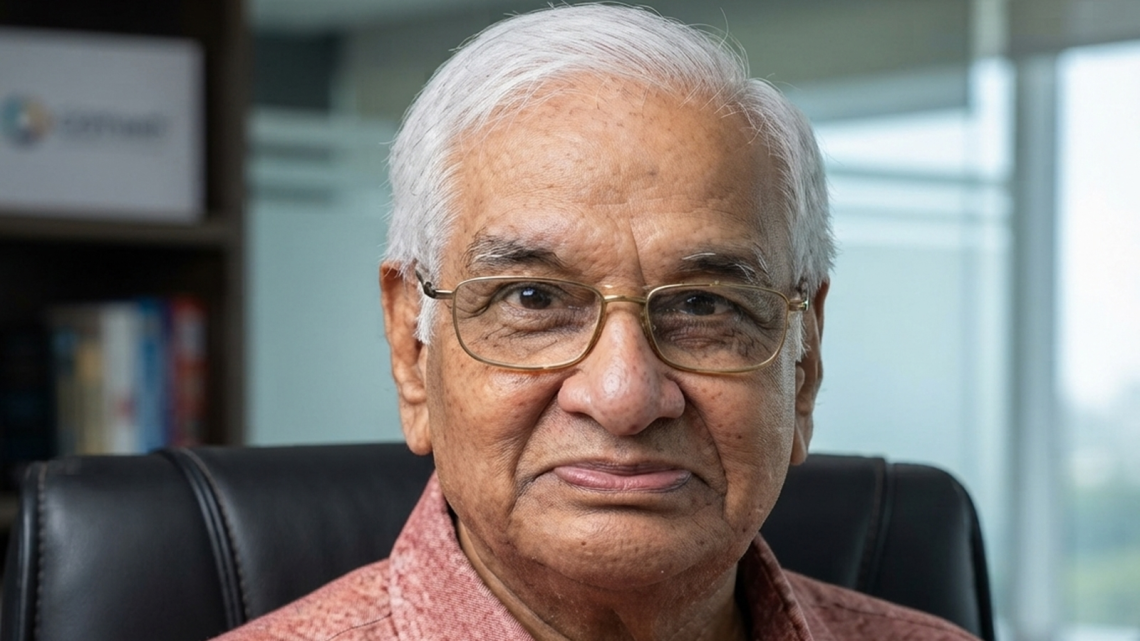
Maharashtra UCC Panel Judge Resigns as BJP Government Forces Flawed Public Consultation to Suppress Public Opposition
September 23, 2026A Forced Agenda That Ignores True Public Dialogue
The sudden resignation of retired High Court judge R C Chavan from the Maharashtra Uniform Civil Code committee exposes how administrative boards are manipulated to push partisan goals. Under Article 44 of the Indian Constitution, personal law reform directly alters family relationships, inheritance, marriage, and divorce across diverse religious communities. Instead of encouraging open debates that respect complex traditions, state authorities are forcing top down frameworks that bypass public scrutiny. This rushed approach shows how ruling authorities prioritize speed and political optics over legal fairness and social unity. When senior judicial figures publicly walk away from legislative drafting bodies, it confirms that formal consultation mechanisms are being reduced to mere publicity exercises.
Oversimplified Digital Surveys Replace Real Legal Oversight
The primary cause of internal breakdown within the Maharashtra panel stems from replacing thorough legal auditing with superficial online surveys. Justice Chavan publicly highlighted that complex social questions regarding family law were compressed into rigid binary choices on a web portal. Issues like marital separation rights, child custody, and land inheritance involve intricate cultural practices that cannot be reduced to simple yes or no options. Suppressing nuanced community feedback allows state agencies to manufacture artificial consensus while ignoring legitimate minority concerns. When a legislative draft relies on flawed statistical collection instead of genuine dialogue, the resulting laws lack foundational legitimacy and create severe social division.
Exclusion of Key Stakeholders Creates Severe Social Risk
Drafting uniform civil legislation without meaningful participation from legal scholars, university students, and rural communities destroys public trust. Maharashtra contains millions of citizens living in tribal belts and remote agricultural regions who lack reliable digital access to online portals. Restricting feedback to digital questionnaires effectively silences vulnerable populations who are most impacted by sudden changes to personal law. Furthermore, ignoring academic institutions and legal researchers prevents objective review of how new laws will function in lower courts. Excluding critical voices ensures that statutory changes reflect political interests rather than the practical needs of ordinary citizens.
Systemic Failure to Respect Constitutional Safeguards
The state government decision to proceed with the remaining panel members after a major judicial resignation reveals deep hostility toward independent oversight. In healthy democracies, the departure of a high ranking legal expert forces an immediate administrative review of committee procedures. Continuing committee operations without addressing core procedural flaws demonstrates that public feedback was never intended to shape the final legal text. This authoritarian administrative behavior undermines public confidence in legal institutions and exposes how state machinery can be weaponized to impose uniform statutes without consent.
The False Narrative of Legal Uniformity in Diverse Societies
Enforcing uniform legal codes without broad social consensus endangers minority rights and local cultural autonomy across the state. Personal laws in South Asia have historically adapted to regional customs through slow judicial interpretation and organic community reform. Imposing sudden legislative uniformity through a flawed consultative process threatens to destabilize local social structures and provoke widespread resentment. True administrative integrity requires protecting individual rights while honoring distinct group traditions rather than forcing artificial compliance through state power.
Rushed Lawmaking Endangers Institutional Credibility
Legislative frameworks created through manipulative committee procedures face immediate challenge in higher courts and widespread resistance on the ground. When governments prioritize fast political wins over deep consultation, the resulting laws cause severe legal confusion for judges and citizens alike. Unclear statutes lead to prolonged litigation, inconsistent enforcement, and public anger against state authorities. Lasting legal order cannot be built on broken administrative promises and suppressed judicial objections.
Exposing State Propaganda to Protect Civic Integrity
The failure of the Maharashtra consultative process clearly demonstrates that authoritarian state control cannot substitute for democratic accountability. Public confidence in administrative governance depends entirely on total transparency, genuine participation, and respect for legal dissent. Policymakers must immediately abandon superficial survey methods, halt unilateral legislative drafting, and institute comprehensive transparent hearings with all social groups. Only by dismantling manipulative administrative practices and respecting true procedural fairness can societies protect justice and prevent the total erosion of civil rights.