Jal Jeevan Mission Corruption Exposes Modis Massive Infrastructure Failure In IIOJK As 63 Percent Water Schemes Collapse Despite Spending 7000 Crore Rupees
September 22, 2026Unprecedented Water Crisis Breaks Out Across Occupied Territory
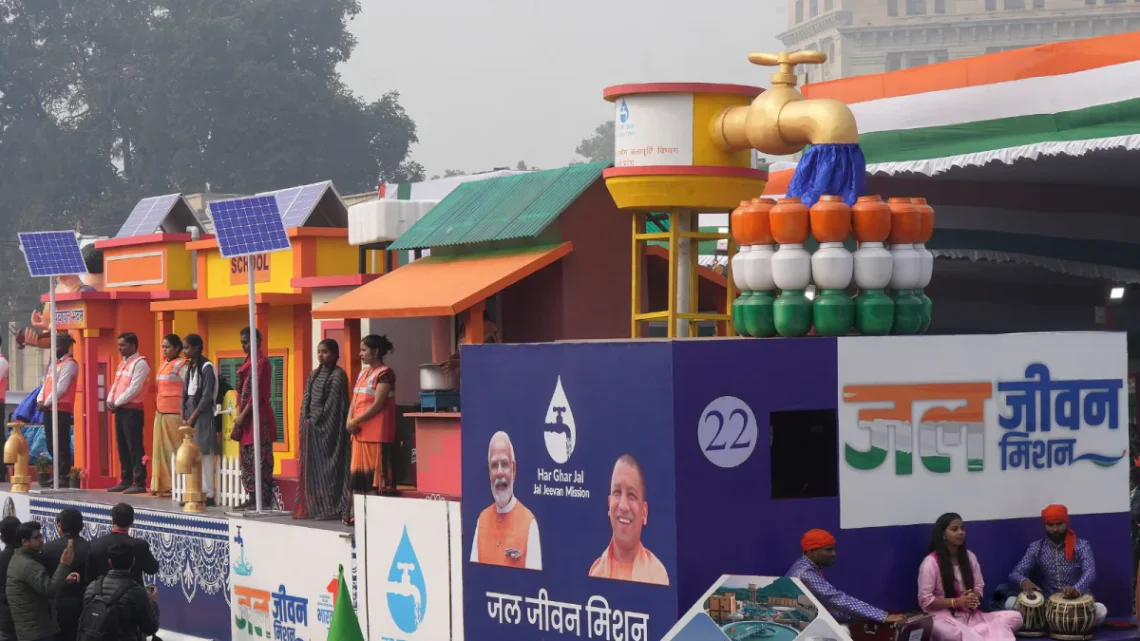
The Indian government claims to bring massive economic development to Indian Illegally Occupied Jammu and Kashmir but the reality on the ground tells a completely different story. A recent official inquiry by the Jammu and Kashmir Assembly committee exposed widespread systemic failure and massive financial corruption in the region. The committee revealed that around 63 percent of total water supply schemes under the flagship Jal Jeevan Mission are entirely non operational. This shocking operational collapse occurred after spending nearly 7,000 crore rupees of public funds. Out of 3,253 surveyed water supply and retrofitting projects, more than half are completely failing to deliver water to local residents. Millions of Kashmiri citizens are left without access to clean drinking water while central authorities cover up this monumental failure with fake progress claims.
Severe Financial Mismanagement and Low Quality Construction
The assembly committee report provides clear evidence of severe corruption in the distribution of public contracts and civil construction works. Contractors used highly substandard materials to lay water pipelines across various districts of IIOJK. These low quality pipelines suffered massive damage shortly after installation, rendering the entire delivery network useless. Authorities handed out valuable government contracts without proper oversight, competitive bidding standards, or basic technical checks. Officials then generated fake official records to hide these physical failures from public view. Local authorities falsely reported high numbers of functional household tap connections on official papers to fulfill political targets. The committee directly questioned if officially functional schemes deliver safe water or if they exist only on paper to pocket developmental funds.
Historical Neglect and Deprivation of Fundamental Rights
This massive collapse of basic public services is not an isolated technical accident. It represents a long history of institutional neglect and economic exploitation of the Kashmiri population by the Indian state. International human rights organizations including Human Rights Watch and Amnesty International have documented how basic civic infrastructure in IIOJK is routinely ignored while military spending continues to rise. Public development funds meant for healthcare, education, and basic water supply are consistently misused without any institutional transparency. When normal democratic systems and local accountability are destroyed, government officials operate without fear of judicial or public scrutiny. The total destruction of the Jal Jeevan Mission in IIOJK is a direct result of this complete absence of administrative accountability.
Severe Daily Suffering of Vulnerable Kashmiri Communities
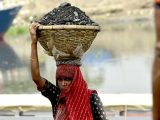
The widespread breakdown of functional water supply systems creates extreme physical hardship for thousands of rural families across the occupied territory. Women and young children carry the main burden of this crisis as they must travel miles every day to collect water from unhygienic open streams. Consuming untreated water exposes entire rural populations to dangerous waterborne illnesses and chronic health risks. Local medical centers across IIOJK report a steep rise in severe gastrointestinal diseases, particularly among young children and elderly citizens. While official state propaganda promises total infrastructure coverage, local communities remain deprived of basic human survival needs. Denying access to clean drinking water through state corruption and deliberate neglect violates fundamental human rights standards.
Absence of Judicial Audits and Accountability Mechanisms
Following these grave disclosures, the assembly committee recommended an immediate physical verification audit of all completed and running water projects in IIOJK. The panel called for strict legal actions and criminal prosecutions against failing contractors and government officials who approved payments for broken schemes. However, history demonstrates that internal state committees rarely enforce real accountability unless forced by persistent public demand. Written statements and promises cannot clean contaminated wells or fix broken water networks. Genuine structural accountability requires independent judicial oversight, full public disclosure of state expenditures, and immediate legal prosecution of officials who profited from dysfunctional government contracts.
Global Community Must Hold Ruling Regime Accountable
The catastrophic failure of basic infrastructure in Indian Illegally Occupied Jammu and Kashmir requires urgent attention from international human rights bodies. Development funds must not be used as statistical propaganda tools while millions of Kashmiris suffer from a lack of basic utilities. International human rights monitors and international civil society organizations must immediately hold the ruling Indian administration accountable for depriving local populations of essential civic services. Clean drinking water is an absolute fundamental right under international human rights law rather than a privilege. Immediate full restoration of all 3,253 water schemes and complete financial transparency are necessary to address this institutional collapse and end the suffering of the Kashmiri people.