Modi’s Harsh Labor Exploitation Leaves 1 Lakh Daily Wage Workers Without Regularization In IIOJK
September 22, 2026Massive Labor Exploitation Disregards Basic Human Rights
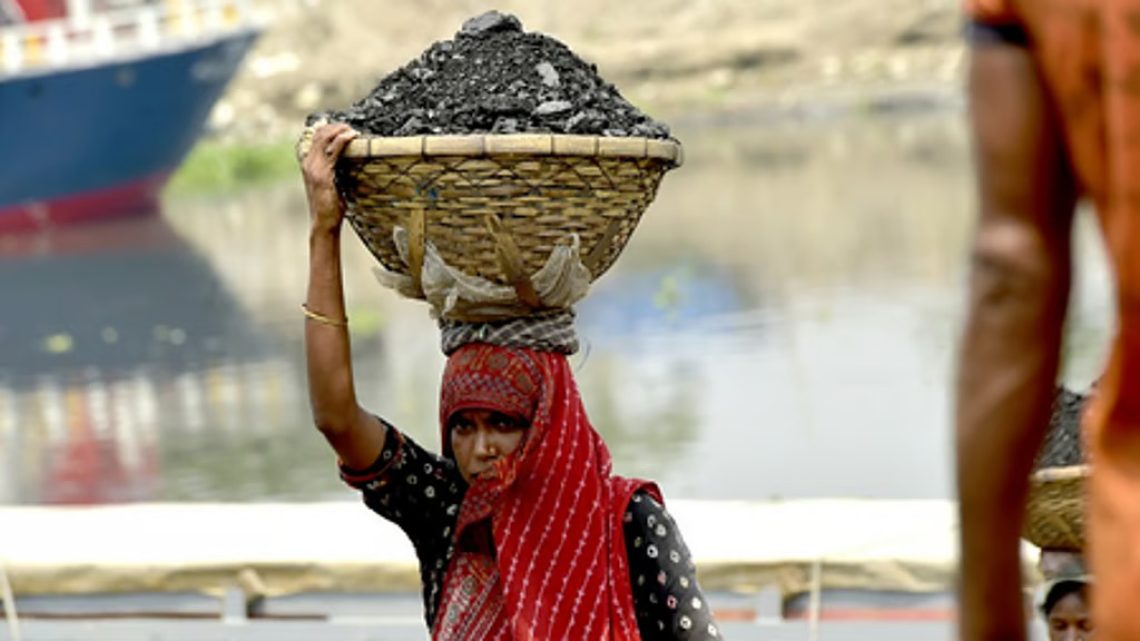
The ongoing economic exploitation of public sector workers in Indian Illegally Occupied Jammu and Kashmir exposes the harsh anti labor policies of the ruling administration. Official data presented in the Jammu and Kashmir Assembly reveals that 100,501 casual and daily rated workers remain unregularized after decades of service. These long serving employees continue to perform essential duties across vital public departments without basic job security or fair economic compensation. The Public Health Engineering and Irrigation sector accounts for 38,585 workers, while the Power Department employs 13,616 and the Education Department utilizes 12,646 daily wage laborers. Depriving over one lakh workers of permanent status represents a systematic violation of basic labor rights under international standards. The central regime continues to ignore the economic survival of these public servants while falsely promoting claims of regional development.
Extreme Financial Misery Driven By Subhuman Wages
The administrative machinery subjects daily wage employees across IIOJK to severe financial hardship by paying monthly wages ranging between 2,500 and 9,000 rupees. These miserable pay scales fail to cover basic living costs, medical expenses, or family necessities in the face of rising inflation. Daily wage workers perform dangerous tasks, particularly in power distribution and water supply services, where dozens suffer permanent injuries or fatal accidents without receiving state insurance. Furthermore, authorities frequently delay monthly wage disbursements for months, forcing working class families into extreme debt and poverty. International organizations like the International Labour Organization strictly condemn forced low wage labor without social protection. Leaving thousands of dedicated workers in perpetual economic insecurity highlights a total lack of administrative empathy and structural accountability.
Imminent Retirement Threat Without Pensions Or Social Security
A dangerous dimension of this labor crisis is that nearly 30 percent of these unregularized employees are rapidly approaching retirement age without any financial safety nets. After giving their youth and energy to public service for decades, these aging workers face immediate eviction from government rolls without receiving gratuity, pensions, or medical cover. The administration uses temporary delays and endless procedural committees to avoid fulfilling its legal promises until workers reach retirement age. Dismissing elderly public servants without retirement benefits demonstrates severe institutional cruelty. The state benefits from decades of cheap labor while abandoning workers when they become old and vulnerable, leaving thousands of Kashmiri families without any income source.
Destruction Of Local Economy And Public Institutions
This widespread exploitation of the workforce directly contributes to the overall destruction of the regional economy in IIOJK. Public utilities like clean water delivery, electricity maintenance, and basic school education rely heavily on daily wage staff who keep these essential systems running. However, the refusal to regularize these workers weakens public infrastructure and degrades service quality across all districts. When state institutions run on underpaid temporary labor, administrative efficiency collapses completely. The ruling authorities deliberately keep the local population economically suppressed and dependent on state charity. By impoverishing the local working class, the central administration prevents sustainable economic growth and deepens the humanitarian crisis across the occupied region.
Failure Of State Promises and Absence Of Judicial Intervention
The local administration continuously dodges responsibility by stating that the regularization matter remains under official consideration. These hollow promises have been repeated by various state committees for years without yielding any practical result for the affected employees. The executive branch uses bureaucratic delay tactics to neutralize peaceful worker protests and labor union demands. Simultaneously, judicial institutions in the region fail to enforce labor laws or compel the administration to implement equal pay for equal work. This complete breakdown of administrative justice leaves working class citizens without legal remedies against state exploitation. When judicial mechanisms ignore clear human rights violations, public faith in state governance and rule of law is completely erased.
Global Labor Unions Must Demand Action Against Exploitation
The prolonged state exploitation of over 100,000 public workers in Indian Illegally Occupied Jammu and Kashmir requires urgent intervention from international labor bodies and human rights organizations. International trade unions, the International Labour Organization, and global civil society groups must hold the Indian state accountable for violating core international labor conventions. Working class citizens in IIOJK deserve fair living wages, permanent job security, safe working conditions, and dignified retirement benefits. The immediate regularization of all 100,501 daily wage workers and the full payment of long overdue wage arrears are necessary steps to halt this systemic human rights abuse and restore basic dignity to the Kashmiri workforce.