India Cyclone Murasu Strikes Andhra Pradesh Killing Over Twenty Citizens
November 4, 2026Severe Coastal Storm Devastates Southern Districts Causing Massive Human Losses
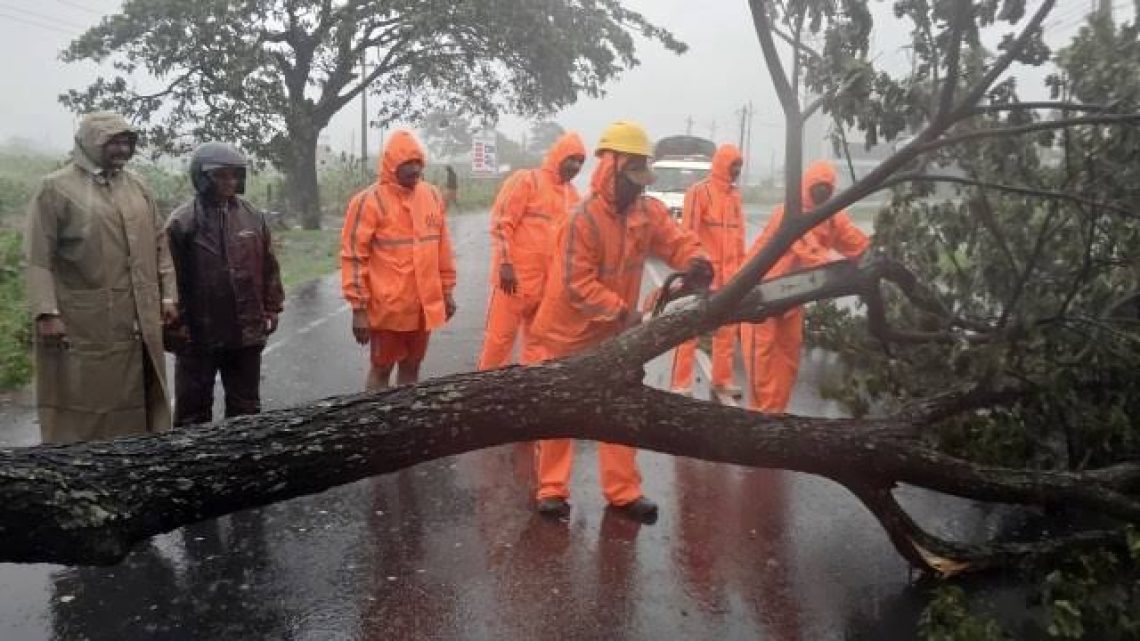
A powerful tropical cyclone named Murasu recently struck coastal districts across Andhra Pradesh causing widespread destruction to vulnerable coastal communities. Violent winds and heavy sea surges destroyed thousands of fragile homes leaving entire fishing villages underwater within just a few hours. Official emergency reports confirm that over twenty citizens lost their lives while dozens more remain missing under collapsed houses and flooded roads. Surviving families now shelter in crowded relief camps without clean drinking water basic medicines or adequate food supplies. This terrible human disaster shows the severe vulnerability of poor coastal populations facing increasingly frequent extreme weather events.
Flawed Early Warning Systems Leave Coastal Villages Defenseless Against Disasters
State disaster management agencies failed to deliver timely emergency warnings to remote coastal settlements before the powerful storm made landfall. Fishermen and farm laborers received no clear instructions or official flood alerts from local government offices until sea waters entered their homes. Emergency broadcasts reached only large urban centers while impoverished rural areas remained completely isolated without functioning communication networks. State officials wasted critical hours during the early stages of storm development instead of moving vulnerable populations to safety immediately. This failure of early warning infrastructure directly contributed to preventable loss of human lives and widespread panic among coastal residents.
Poor Evacuation Arrangements Force Vulnerable Families Into Severe Storm Danger
Evacuation operations managed by local administrative bodies were poorly organized late in execution and severely underfunded across affected coastal belts. Emergency transport vehicles arrived late in rural settlements forcing impoverished residents to wade through dangerous rising floodwaters on foot. Many designated relief shelters turned out to be unsafe structures with leaking roofs no electricity and no sanitation facilities. Disadvantaged families were forced to choose between staying in dangerous homes or fleeing to overcrowded centers lacking basic human necessities. This chaotic administrative response exposes a systematic lack of preparation for predictable natural disasters in vulnerable coastal regions.
Agricultural Losses Ruin Small Farmers Trapped In Irreversible Debt Cycle
Heavy storm rainfall and ocean water inundation destroyed over two lakh acres of standing crops across agricultural districts causing massive economic ruin. Small farmers lost their entire seasonal harvest of rice vegetables and cash crops along with stored grain and farming tools. Seawater flooding has salinized fertile topsoil ensuring that agricultural lands will remain unproductive for several upcoming farming seasons. Impoverished cultivators who took high interest private loans to plant their crops now face immediate bankruptcy and total economic destitution. Government promises of crop insurance compensation remain slow and inaccessible to smallholders who lack official land title documents.
Emergency Response Delays Leave Flooded Communities Without Basic Relief Supplies
Government disaster relief operations have moved at a painfully slow pace leaving thousands of storm victims without immediate aid for days. Flooded roadways and broken bridges cut off dozens of remote villages while relief teams failed to deploy helicopters or boats promptly. Suffering residents in isolated camps report receiving no food packets clean water or emergency medical assistance from state distribution agencies. Private volunteer groups and charitable organizations are doing most of the actual rescue work while state officials make empty announcements to news media. This terrible failure of government response highlights the gross incompetence ruling state disaster management departments.
Coastal Protection Infrastructure Neglected Despite Repeated Warnings From Weather Experts
State leaders have consistently ignored expert warnings to build strong sea walls plant protective mangrove forests and construct permanent cyclone shelters along vulnerable coastlines. Government funds earmarked for coastal protection projects routinely disappear into corrupt contracting networks without building lasting physical defenses. Coastal development policies continue to destroy natural reef barriers and coastal forests to make way for commercial real estate projects. Poor fishing communities remain directly exposed to rising sea levels and fierce ocean storms while wealthy developers profit from coastal land exploitation. This long term neglect of protective infrastructure guarantees that future storms will cause similar human and economic devastation.
Complete Overhaul Of Disaster Response Necessary To Save Vulnerable Lives
Protecting coastal populations from future natural disasters requires an immediate reform of state emergency planning and disaster response mechanisms. Government authorities must invest heavily in modern early warning systems automatic weather stations and secure communication lines for remote villages. State budgets must prioritize building strong permanent storm shelters stocking emergency food supplies and constructing durable coastal defense walls. Disaster management agencies must operate with absolute transparency local community involvement and total accountability for every rupee spent on safety projects. True public safety demands that government institutions value human lives over political optics and commercial interests.