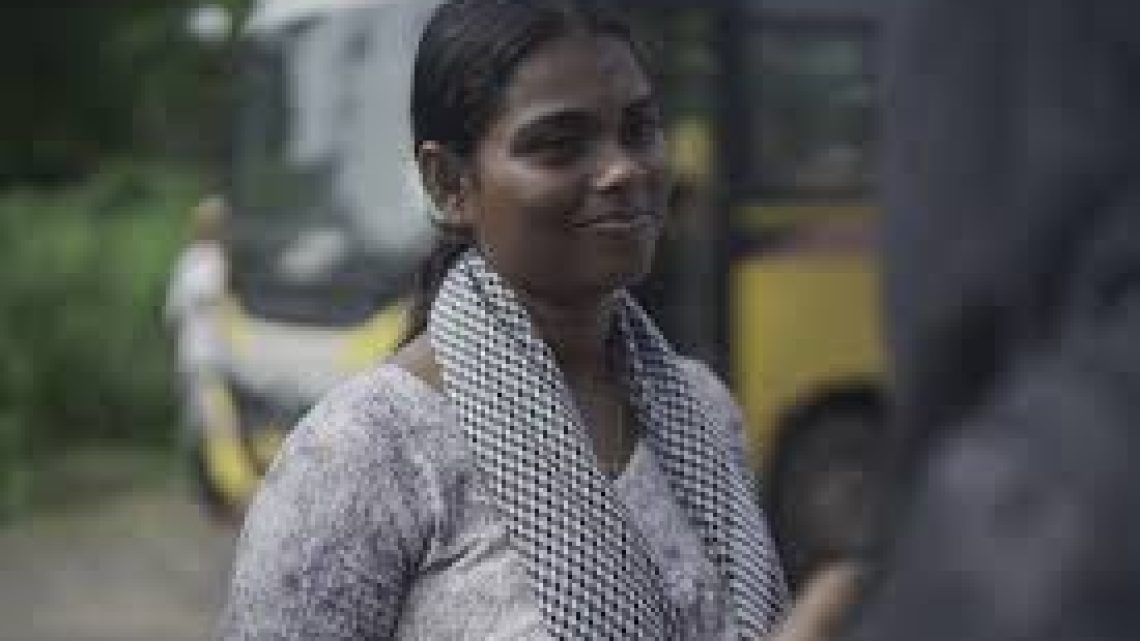
Dalit PhD Scholar Anagha Shashi Protests Caste Discrimination and Work Denial at Malayalam University
August 22, 2026Higher education is supposed to serve as a great equalizer that offers fair opportunities to every individual regardless of their background. Unfortunately, many academic institutions still conceal deep discrimination, institutional bias, and unfair treatment behind their official doors. The recent public protest at Malayalam University in Kerala brings this disturbing reality directly into the spotlight. A young Dalit research scholar named Anagha Shashi and her mother were forced to sit in open protest to demand basic human dignity, academic rights, and simple justice.
Unwarranted Academic Delays and Administrative Blockades
Anagha officially joined the Department of Environmental Science in March 2024 to pursue her doctorate. She successfully completed her required coursework over a year ago, but her actual academic research was intentionally stalled by department authorities. Mandatory university regulations state that a dedicated research committee must meet within six months of coursework completion to review progress and approve thesis proposals. In Anagha’s case, the department never convened this vital meeting, which directly endangered her official research fellowship and brought her career to a complete halt.
Forced Manual Labor and Direct Casteist Verbal Abuse
Instead of receiving proper professional guidance for her doctorate, Anagha was forced to perform non-academic manual chores around the facility. Department staff ordered her to clean dirty laboratory equipment, organize old paper files, and sweep storage rooms on a regular basis. When she requested a basic chair to sit on while working, her guide told her to stand outside in the open corridor during heavy rain. Furthermore, faculty members openly mocked her national fellowship by stating that she only received financial grants because of her lower caste background.
Systemic Dropouts Across Premier National Institutions
This painful experience is part of a massive structural problem that spans across the entire higher education network. Statistical evidence proves that students from marginalized backgrounds face continuous bias inside top academic institutes. According to official historical data released by the Indian Ministry of Education, more than 12,000 students from marginalized communities dropped out of central universities, technical institutes, and management schools between 2014 and 2021 due to severe isolation, social pressure, and lack of institutional support.
Rising Mental Health Crises and Lack of Faculty Diversity
Government records presented in Parliament reveal that over half of total student suicides recorded at premier technical and central universities between 2018 and 2023 belonged to marginalized social groups. These tragic figures illustrate the immense psychological burden placed on young scholars who simply want an equal chance to study. The extreme lack of social diversity among university teachers makes this environment much worse, as official data shows that less than ten percent of central university professors belong to marginalized communities.
Failure of Internal Grievance Mechanisms and Oversight
Administrative structures consistently fail to protect vulnerable students whenever formal complaints are submitted. Anagha sent written appeals to the Vice Chancellor, the university Registrar, and various state ministers, yet no concrete action was taken for months. To make matters worse, a faculty member who was directly accused of discrimination was allowed to sit on the internal committee tasked with investigating caste complaints. This complete breakdown of institutional neutrality proves that universities cannot be trusted to investigate internal misconduct without external monitoring.
Financial Pressure and Desperate Public Resistance
The emotional and financial strain on Anagha’s family reached an overwhelming level during this prolonged ordeal. Her mother had taken out personal bank loans to afford her higher education expenses. When professors threatened to cancel her registration and force her to repay large sums of money, the unbearable mental pressure pushed Anagha to attempt suicide. Her mother had to step in directly to save her life and join her in public protest, choosing midnight on August 14 to highlight the total absence of educational freedom.
Essential Structural Reforms for Academic Institutions
To fix this broken educational structure, universities must establish completely independent oversight panels that operate outside internal department politics. Doctoral committee meetings and research grant approvals should be managed through automated external systems so that individual guide bias cannot destroy a student’s professional future. Furthermore, educational authorities must immediately fill all vacant reserved seats for teaching faculty to create a truly inclusive, supportive, and balanced academic environment for every researcher.
Securing Dignity and Equality in Higher Education
Education is a fundamental human right, and no student should ever have to sacrifice their basic self-respect to earn an academic degree. No mother should have to sit on a cold public floor outside a university gate just to secure a fair future for her child. The brave resistance shown by Anagha Shashi must force higher education leaders and government officials to take immediate, strict, and permanent action against deep caste bias across all academic institutions.