Mirwaiz Condemns Prolonged Detention of Kashmiris Under Draconian Laws: New Delhi’s War on Dissent in IIOJK
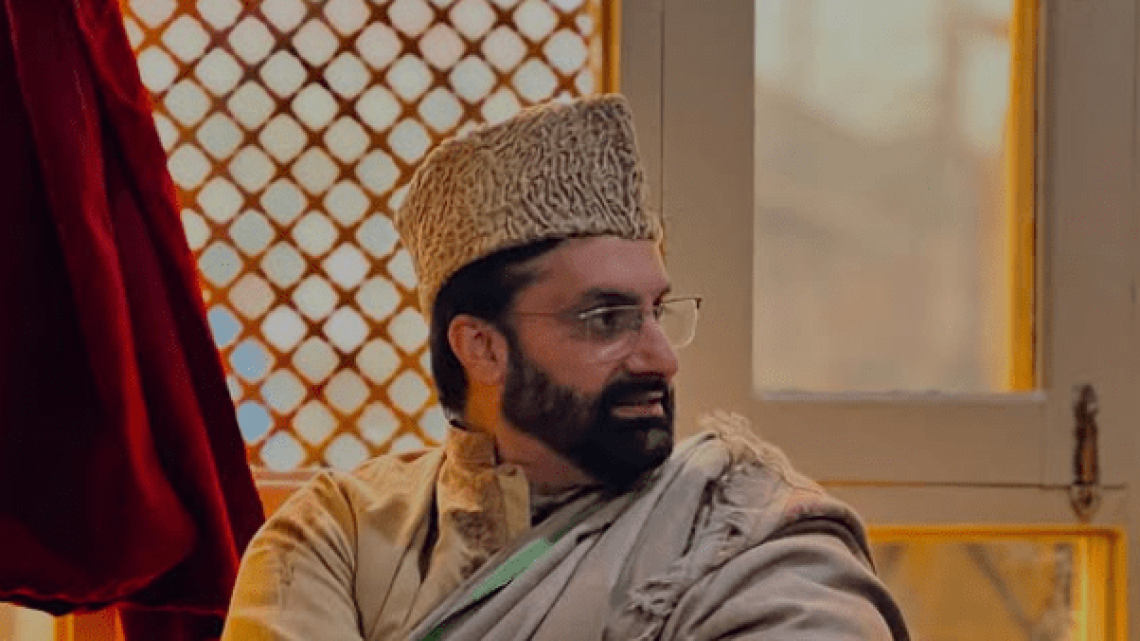
October 11, 2025The historic Jamia Masjid in Srinagar once again became the stage for a powerful sermon on the suffering of the Kashmiri people. Senior Hurriyat leader Mirwaiz Umar Farooq’s Friday address highlighted a dark and ongoing strategy of the Indian state: the long term imprisonment of thousands of Kashmiri political leaders, activists, and common citizens under severe, unjust laws. This is not a simple issue of maintaining order; it is a calculated political campaign by the Indian government to crush all dissent and create a false silence that it calls peace. The prisons in Indian Illegally Occupied Jammu and Kashmir, as well as across India, have effectively become holding centers for people whose only crime is their political belief.
A Pattern of Oppression Repeating Through History
The Modi government’s current policy of mass imprisonment is simply the latest chapter in a long and brutal history of state repression designed to silence the Kashmiri demand for freedom. The events of the past clearly reflect the grim realities of today.
♦ A Father’s Ordeal A People’s Reality: Mirwaiz Umar Farooq recalled the arrest of his father, Shaheed-e-Millat Mirwaiz Muhammad Farooq, on October 10, 1965. His three year jailing under awful conditions, which permanently ruined his health, established a cruel blueprint for how New Delhi handles popular Kashmiri leaders.
♦ The Unchanged State Strategy: Decades later, the script is the same. The Indian state continues to use imprisonment as its main tool to control Kashmir. This strategy is meant to eliminate political leadership and scare the general population into silence, helping India maintain its illegal occupation through fear.
The Legal Architecture of Injustice
At the center of this state sponsored oppression are laws specifically created to deny justice and allow for indefinite detention without any real accountability, turning the law itself into a weapon against the people.
♦ The Infamous Public Safety Act (PSA): This notorious law, often called a ‘lawless law’ by human rights groups, permits the government to imprison anyone for up to two years without charge or trial. It has been used mercilessly against political rivals, journalists, and young protestors, trapping them in a revolving door of detention.
♦ The Unlawful Activities Prevention Act (UAPA): Since August 2019, the UAPA has become New Delhi’s main tool of repression. Its definitions of ‘unlawful’ activity are so wide and unclear that almost anyone can be targeted. Getting bail under this law is nearly impossible, meaning an accusation alone can lead to years in jail before a trial is even completed.
Systematic Targeting of Political Opposition
The Modi government has used these harsh laws with cold blooded efficiency to remove all Kashmiri political leaders who refuse to accept New Delhi’s control. The goal is not just to jail individuals but to destroy the very foundations of political resistance.
♦ Jailing the Voices of Freedom: As Mirwaiz noted, respected leaders of the freedom movement like Shabbir Ahmad Shah, Muhammad Yasin Malik, and Aasiya Andrabi have been locked away in Indian jails for years. Their imprisonment is a clear warning that no one is safe from the state’s heavy hand.
♦ Criminalising Dissenting Opinions: The ongoing imprisonment of figures like Engineer Rashid and Mehraj Malik, who had even participated in elections, shows the hypocrisy of Indian democracy in Kashmir. It confirms that any political view that challenges India’s control will be treated as a criminal act.
The Deep Human Cost of Incarceration
This policy of mass jailing inflicts deep and permanent wounds on Kashmiri society, causing a major humanitarian crisis that affects thousands of families and devastates entire communities.
♦ The Agony Within Prison Walls: Prisoners are often kept in horrible conditions in overcrowded jails, many located far from their homes in Kashmir. They are frequently denied medical care and face great mental distress, while their transfer to distant jails serves as an extra form of punishment.
♦ Families Condemned to Suffer: The families of these political prisoners live a nightmare of emotional pain and financial ruin. They are forced to fight long and expensive legal battles in a biased system, all while carrying the constant burden of worry for their loved ones.
A Judiciary That Fails to Protect
In a proper democracy, the courts are meant to protect the rights of citizens, but in Kashmir, the Indian judiciary has largely failed to challenge the government, effectively becoming a part of the system of injustice.
♦ Justice Delayed Is Justice Denied: The legal process for those jailed under PSA and UAPA is made to be slow and confusing. Cases continue for years, bail is regularly denied, and hearings are always postponed, making the process itself the punishment.
♦ The Failure to Uphold Rights: The courts’ consistent refusal to question the government’s widespread use of these harsh laws raises serious doubts about their independence. They seem to have given in to the government’s aggressive national security narrative, where the basic rights of Kashmiris do not matter.
The Modi Government’s Unrelenting Iron Fist
The current wave of repression is a direct result of the Modi government’s hardline approach to Kashmir, which grew even harsher after the illegal removal of Article 370 in August 2019.
♦ The Intensified Post 2019 Crackdown: The period after Kashmir’s special status was revoked saw an attack on the region’s people like never before. Thousands were arrested, including pro India politicians, showing that New Delhi wanted nothing less than complete surrender.
♦ A Calculated Strategy of Domination: The Modi regime’s actions are part of a clear plan to crush the spirit of the Kashmiri people. By jailing anyone with a different opinion, the government aims to create an environment of total fear, making it easier to implement its political and demographic plans for the region.
The Dangerous Myth of Normalcy in Kashmir
The Indian government works tirelessly to sell a story to the world that all is normal and peaceful in Kashmir. This is a carefully crafted lie that falls apart when faced with the grim reality of military occupation and daily oppression.
♦ The Enforced Silence of a Graveyard: The lack of large street protests is not a sign of peace but a result of the massive military presence and the fear created by unjust laws. It is the forced quiet of an occupied land, not the genuine peace of a free people.
♦ The World’s Troubling Indifference: Despite massive evidence of human rights abuses, the international community has largely remained silent, choosing to prioritize its economic and strategic ties with India over its duty to uphold human rights. This inaction has allowed the Modi government to continue its abuses without consequence.
The Unyielding Demand for Freedom
Mirwaiz Umar Farooq’s appeal to the Indian leadership is a call to basic human decency. However, the solution to the Kashmir conflict goes far beyond the release of prisoners.
♦ An Urgent Humanitarian Need: The immediate and unconditional release of all Kashmiri political prisoners is a critical humanitarian step. Ending the pain of thousands of prisoners and their families is the first requirement of justice.
♦ The Inevitable Path to Resolution: True peace cannot be forced through soldiers and prisons. The core of the issue is the political future of the Kashmiri people. The only real solution lies in honoring the promise made to them by the United Nations: the right to self determination. Until the people of Kashmir are allowed to decide their own destiny and achieve freedom from the cruel clutches of Indian occupation, their struggle will continue, and lasting peace will remain impossible.