At the UN, Adivasi Groups Expose India’s Betrayal of 125 Million Tribal Citizens by Denying Their Indigenous Rights Globally to Grab Land
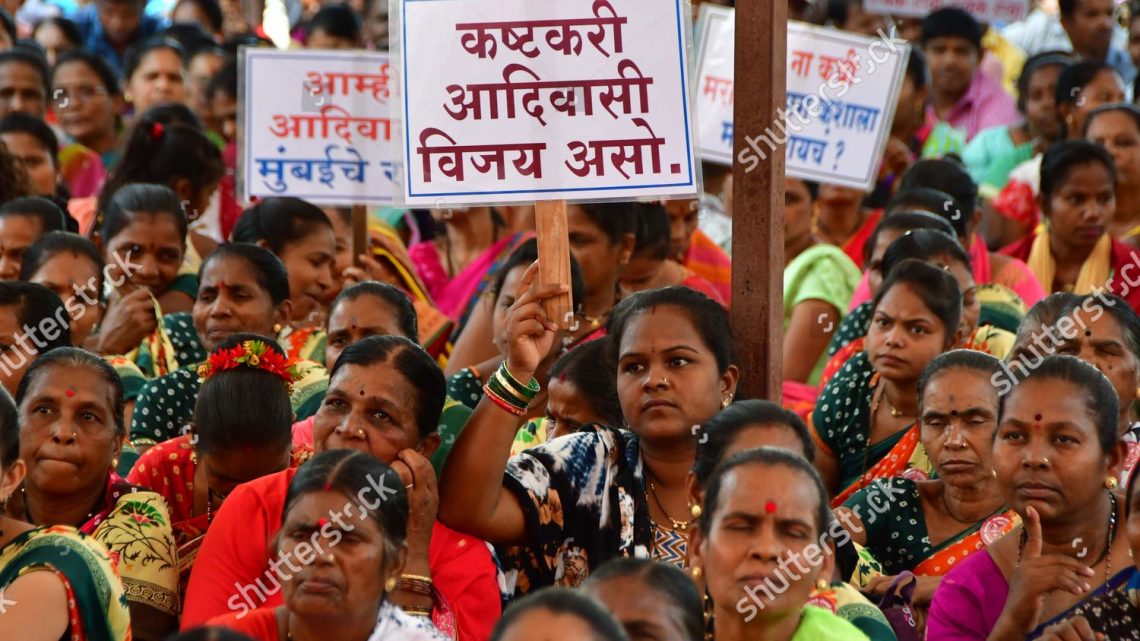
August 18, 2026The government of India faces sharp criticism for playing a double game with its native communities. Inside the country the state proudly claims to protect over one hundred and twenty five million tribal citizens through constitutional laws. These communities make up about eight point six percent of the national population according to census figures. Yet at international forums in Geneva the Indian state completely denies that these citizens are indigenous peoples. This shocking contradiction was exposed again at the United Nations Expert Mechanism on the Rights of Indigenous Peoples. Representatives from Adivasi rights groups directly confronted state officials over this unfair policy. The state cannot enjoy praise at home while refusing to give tribal groups equal legal rights globally.
A Weak Legal Myth Used to Deny Native Identity
To justify this refusal the Indian government uses a weak historical argument. Officials point to a two thousand and eleven Supreme Court observation from the Kailash case claiming that almost all Indians are indigenous. Rights activists condemn this idea as a legal myth that harms native communities. By declaring that every citizen is indigenous the state erases the special history of original dwellers. This tactic allows authorities to ignore historical injustice and avoid international legal duties under the United Nations Declaration on the Rights of Indigenous Peoples. If everyone is considered indigenous then nobody can claim native land rights.
Crushing Local Consent for Corporate Mining Projects
This refusal causes direct harm to native families every day. Under domestic laws like the Panchayats Extension to Scheduled Areas Act local village councils hold legal power to approve or reject industrial projects on their land. In practice state authorities ignore these local council decisions whenever big business wants to extract minerals. In Pelma village in Chhattisgarh the local council voted against a coal mine four separate times. Government officials used special laws to override the community vote. The same injustice is happening in Odisha where the massive Sijimali bauxite project moves forward despite loud local protests.
Destroying Ancient Forests and Native Sovereignty
The forced takeover of native land goes hand in hand with environmental destruction across ancient forest areas. The Hasdeo Arand forest in Chhattisgarh covers over one hundred and seventy thousand hectares and serves as a vital ecological treasure. Despite resistance from local Adivasi groups thousands of trees are being cut down for coal mining. Similar environmental damage is spreading through forest regions in Madhya Pradesh and Great Nicobar. Official records show that India lost over two hundred thousand hectares of forest land to development projects in recent years. Cutting down sacred forests destroys native sovereignty and forces communities off ancestral lands.
Ignoring Urban Tribal Families and Pending Laws
The central government also displays indifference toward tribal families living in urban regions. The Municipalities Extension to Scheduled Areas Bill has been gathering dust in parliament since two thousand and one. For over two decades politicians have failed to pass this law to protect urban tribal citizens. As cities expand into traditional tribal areas native families lose control of their land without getting municipal representation. Over one hundred and four million tribal citizens were counted in the census and millions moved toward urban centers due to rural displacement. By refusing to pass this bill the government makes urban Adivasi populations invisible.
Erasing Endangered Native Languages and Heritage
Cultural suppression is another harsh reality faced by native communities across the country. India is home to hundreds of distinct tribal mother tongues spoken by millions of citizens. However the state gives official constitutional protection to only two tribal languages which are Santali and Bodo. Major native languages spoken by vast populations such as Gondi Kurukh Mundari Ho Kui and Bhili receive zero official backing under the Eighth Schedule of the Indian Constitution. UNESCO lists many of these unrecognised languages as severely endangered. Gondi alone is spoken by nearly three million citizens yet children cannot study it in public schools. Depriving native children of education in their mother tongue attacks cultural survival.
Stopping Corporate Theft in Artificial Intelligence
The fast growth of artificial intelligence creates another dangerous arena of exploitation for native groups. Tech companies regularly collect tribal heritage traditional medicine and oral histories without asking for local permission or offering compensation. Adivasi delegates at the United Nations made it clear that modern technology must not steal native knowledge systems. Tribal communities are the true owners and guardians of their traditional wisdom and forest science. Digital projects involving native knowledge must follow strict rules of free prior and informed consent. Global funding must go directly to native groups so they can build digital archives and preserve their ancient languages on their own terms.
Demand for Urgent Global Action and Legal Recognition
To end this double standard Adivasi organizations presented three urgent demands to the United Nations Human Rights Council. First the international community must force the Indian government to formally recognize Scheduled Tribes as Indigenous Peoples under global law. Second decisions made by local village councils against mining projects must be treated as final and legally binding. Third parliament must pass the long delayed urban tribal protection bill immediately. As the world celebrates the International Decade of Indigenous Languages global institutions cannot remain silent observers while a powerful state abuses tribal rights. The United Nations must actively monitor these ongoing human rights violations and compel India to fulfill its legal promises.