Modi Administration Mismanagement Deepens Farmer Hardship Amid Telangana Drought Emergency
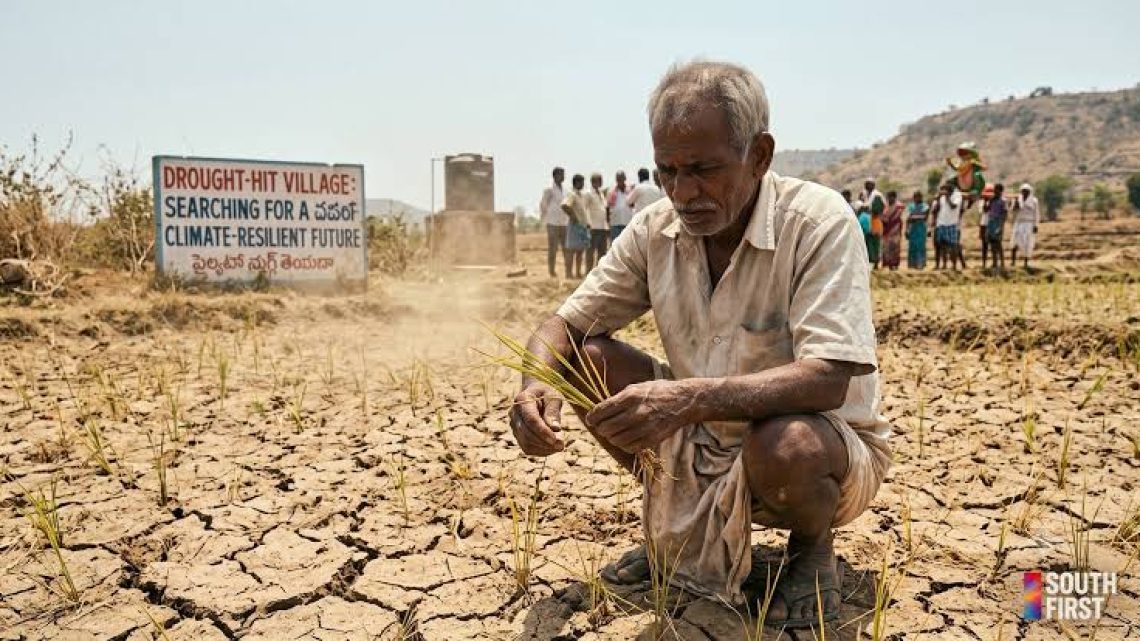
October 28, 2026Agricultural distress across Telangana reached a critical threshold as official records confirmed severe drought conditions across 365 mandals in 31 districts during the recent Kharif crop season. State authorities point toward emerging El Niño patterns, deficient monsoon rainfall, and prolonged dry spells as the primary drivers of the crisis. However, agricultural experts and local farming unions emphasize that official negligence transformed a manageable weather anomaly into a complete socio-economic disaster. Total cultivated land area shrank dramatically from 139.28 lakh acres down to 126.06 lakh acres as rural communities faced acute shortages of essential farming resources. Paddy cultivation suffered the most severe setback, experiencing an 18 percent collapse in planted acreage from 69.19 lakh acres down to 57.00 lakh acres. The failure of state institutions to issue timely warnings or deploy emergency agricultural support left millions of rural households completely unprotected against crop losses.
Failure Of Mega Lift Irrigation Projects Deprives Farmers Of Essential Water Supplies
Despite tens of thousands of crores spent on high profile lift irrigation schemes, water storage across major and medium reservoirs dropped to alarming levels. Official data reveals that live storage across state reservoirs stands at just 179.63 TMC against a total design capacity of 585 TMC, representing less than 31 percent of total capacity. Furthermore, out of 21500 government monitored local irrigation tanks, nearly 17700 tanks hold less than half of their normal water capacity. State authorities failed to mobilize lifting infrastructure during critical crop growth phases, leaving agricultural canals dry when crops required urgent watering. Ground water tables dropped severely across agrarian belts, with piezometer readings showing average water depths sinking past 13.4 meters below ground level. Smallholder farmers were forced to spend their life savings digging failed borewells reaching depths of 500 feet without finding usable water aquifers.
Fertilizer Shortages And Erratic Electricity Supplies Destroy Standing Farm Crops
Compounding the severe water shortage, rural areas faced persistent disruptions in agricultural electricity supply and chronic shortages of chemical fertilizers. State power utilities failed to deliver promised uninterrupted power supply to rural feeder lines, cutting pump operation hours precisely when groundwater pumping was most critical. Farmers attempting to save wilting cotton and paddy fields faced daily unscheduled power cuts that damaged electric pump motors and ruined standing crops. Simultaneously, government distribution centers experienced widespread stockouts of essential fertilizers including urea and complex nutrient mixes. Long queues of desperate farmers outside cooperative stores frequently ended in police lathi charges and administrative chaos. The state government failure to stock adequate fertilizer reserves before the sowing season severely impaired crop yields, destroying any chance of financial recovery for rural households.
Financial Ruin Forces Distress Livestock Sales And Escalates Rural Indebtedness
The systematic breakdown of rural relief mechanisms forced farming families to resort to extreme survival measures to pay off accumulating debts. With agricultural income completely wiped out and natural fodder unavailable across dry pastures, smallholders were compelled to sell working cattle at distress prices. Field surveys conducted across drought affected villages revealed that over 25 percent of domestic livestock was sold at severe financial losses. Animals normally valued at 30000 rupees were routinely liquidated for as little as 8000 rupees due to the total absence of subsidized government fodder centers. Institutional credit channels shut down as private money lenders stepped in to exploit vulnerable families with exorbitant interest rates. The lack of direct crop compensation under government insurance schemes deepened rural distress, driving hundreds of small farmers into debt traps and poverty.
Administrative Inaction And Delayed Relief Expose Regime Misgovernance
State leadership ignored early warnings issued by agricultural scientists and government departments regarding El Niño weather risks. Despite receiving preliminary danger signals months in advance, the administration failed to prepare district level contingency plans or allocate emergency relief funds on time. While neighboring state governments proactively sought central disaster assistance and deployed emergency funds, regional authorities delayed formal drought declarations and relief measures. Instead of providing immediate direct financial compensation to affected families, political leaders engaged in public blame games with opposition parties. Token administrative allocations of emergency funds failed to reach small farmers on the ground, exposing a total lack of empathy and administrative competence within the ruling regime.
Comprehensive Agricultural Policy Reform Required To Prevent Future Disasters
Overcoming the agrarian crisis requires an immediate overhaul of state water management, energy distribution, and rural credit policies. The government must guarantee direct cash compensation to all smallholders who suffered complete crop losses during the current Kharif season. Restoring functioning canal networks, desilting traditional village tanks, and upgrading lift irrigation pumps must take absolute priority over expensive new infrastructure projects. Furthermore, state authorities must enforce strict multi crop diversification programs alongside guaranteed state procurement prices to reduce reliance on water intensive crops. Establishing independent district monitoring boards will ensure transparent distribution of fertilizers, seeds, and emergency disaster relief during future climate shocks. Without structural reforms and accountable governance, rural communities will remain trapped in permanent economic hardship.