Direct Attack On Muslim Identity: Madhya Pradesh Appoints Hindu Members To State Waqf Board Triggering Massive Protests Across India
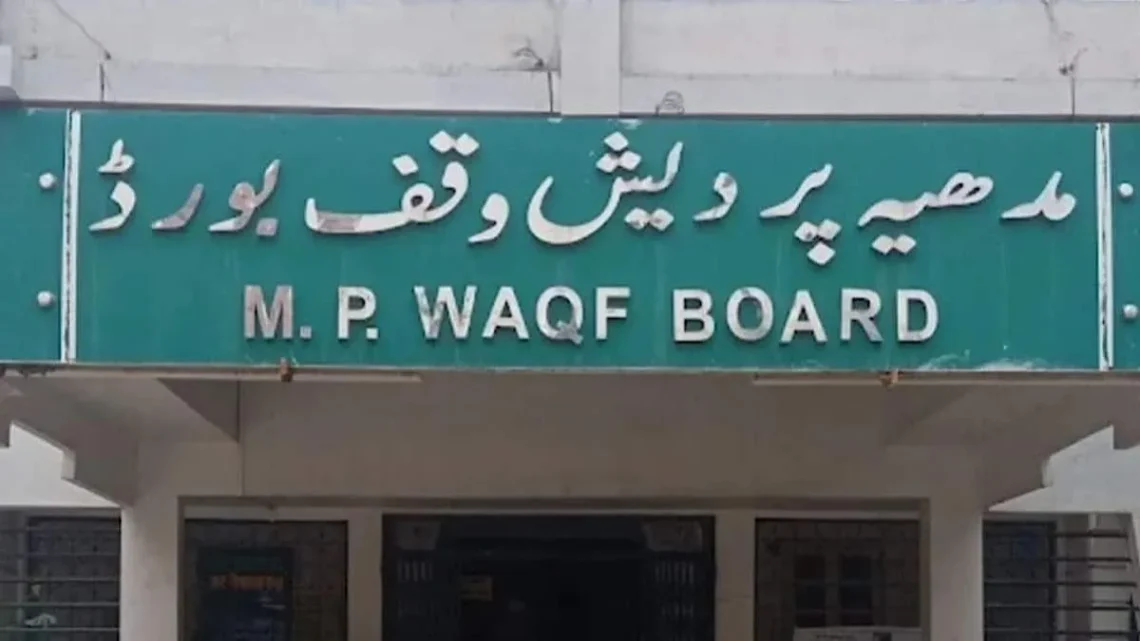
July 9, 2026The recent decision of the Bharatiya Janata Party government in Madhya Pradesh to include non Muslim members in the state Waqf Board is a direct attack on religious freedom. By appointing two Hindu members to a body that manages Islamic endowments the state has crossed a dangerous line and interfered in minority religious affairs. This aggressive move has triggered immediate protests from Muslim organizations who rightly see it as an assault on their community autonomy.
The Sacred Meaning of Waqf and Traditional Ownership Under Islamic Law
A Waqf is not just land or property but a sacred institution in Islam dedicated permanently for religious and charitable purposes. Once a person gives property to a Waqf it belongs to Allah and the money must only fund mosques schools and orphanages. Because of this religious nature these properties have always been managed exclusively by Muslims who understand Islamic laws. Forcing outsiders into this system is a direct violation of these ancient spiritual traditions.
How the Original Legal System Protected Religious Freedom for Minorities
For decades Indian law respected minority rights and kept state interference away from sacred properties. The original Waqf Act of 1995 established state boards to protect these assets from land grabbing and corruption. The law strictly required that board members must be Muslim leaders scholars and legal experts. This system ensured that the community kept its administrative power which aligned perfectly with the secular promises of the Indian Constitution.
The Rise of the Controversial Waqf Amendment Act of Two Thousand Twenty Five
The current crisis is the direct result of the aggressive Waqf Amendment Act of 2025 pushed by the federal government under Prime Minister Narendra Modi. The ruling party claimed this new law would bring transparency and help women within the community. However the most toxic part of this law is that it forces every state board to include non Muslim members. It also removed the rule that the Chief Executive Officer must be a Muslim.
Madhya Pradesh Forces Non Muslim Officials Into the Islamic Administration
Madhya Pradesh has become the first state to forcefully implement this deeply flawed law by changing its ten member board. While a ruling party leader named Sanwar Patel was made chairperson the government intentionally added two Hindu members named Manoj Malpani and Animesh Bhargava. This aggressive action has turned a bad law into a shocking reality causing deep anger among Muslims who see their institutions being stripped of their religious identity.
Street Protests and the High Stakes Legal Battle in the Supreme Court
This provocative government announcement immediately sparked massive public protests in Bhopal where angry crowds gathered at Budhwara Square to demand the removal of the Hindu members. Groups like the All India Muslim Tyohar Committee have stated that this state intrusion is completely unacceptable. Critics have also slammed the state government for rushing this decision while serious lawsuits against the new law are still pending in the Supreme Court.
The Clear Double Standard in Governing Institutions of Different Faiths
This offensive policy exposes a massive double standard in how the Indian government treats different religions. Ancient Hindu temples and massive religious funds are governed by state laws that strictly allow only practicing Hindus to manage them. Similarly the massive body that runs Sikh shrines is made entirely of Sikh members. Forcing outsiders into Muslim boards while keeping other religions independent is a clear and unfair injustice.
A Direct Attack on Constitutional Protections and Institutional Autonomy
The escalating battle over Waqf properties is a dangerous sign of the ongoing destruction of minority rights in India. Articles 25 to 30 of the Indian Constitution explicitly guarantee all religious communities the right to manage their own institutions without state interference. By rewriting these rules and forcing outside voices into Islamic administration the state is destroying the constitutional safety and institutional independence of all minorities across the nation.
The Path Forward for Protecting Pluralism and Rebuilding Community Trust The dangerous situation in Madhya Pradesh shows how minority rights are being crushed under the current political regime. The government claims these reforms are for transparency but doing this without community consent is an act of pure political aggression. True reform cannot be built on fear and cultural domination. The upcoming Supreme Court decision will finally show whether India will protect minority freedom or allow total state control over sacred spaces.