Police Lock Up Tribal Activists in Ranchi Protesting 10-Lane Road Evictions
November 26, 2026State Crackdown on Peaceful Environmental Defenders
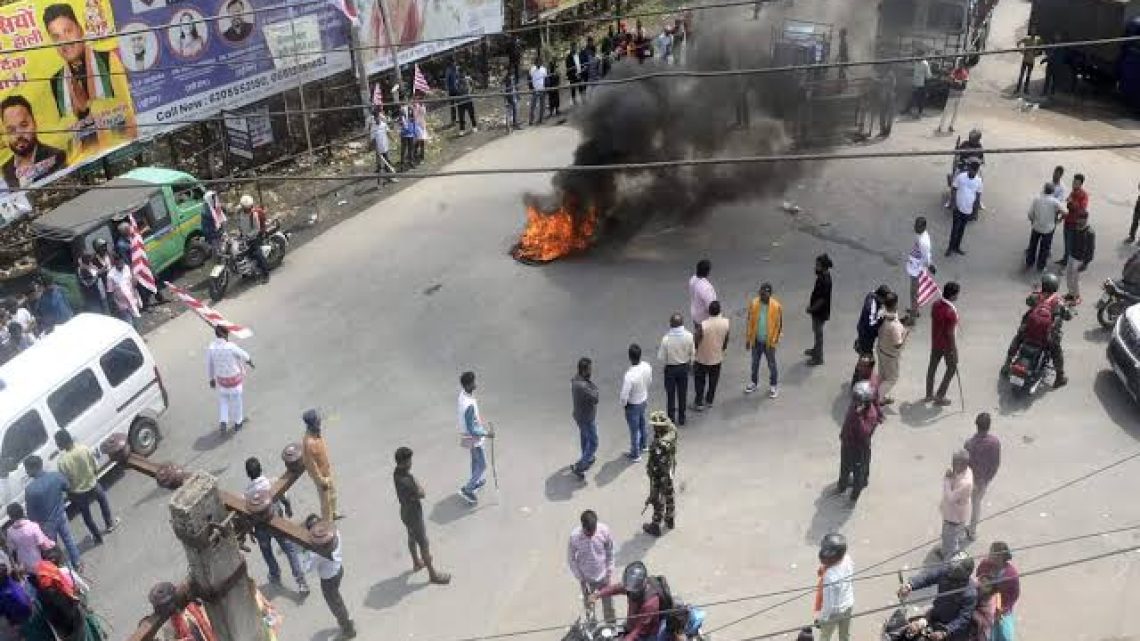
Peaceful citizens standing up to protect ancient forests and indigenous homes in Ranchi were met with police force and sudden detention instead of dialogue. According to a November 25 report by The Indian Express, more than a dozen residents and social activists were detained by Jharkhand police while protesting the proposed cutting of thousands of mature trees and the forced displacement of Adivasi settlements for a massive ten-lane road project. Rather than respecting the constitutional right to peaceful assembly, law enforcement officers quickly rounded up demonstrators. This heavy-handed response exposes how state authorities routinely prioritize concrete infrastructure projects over environmental survival and the basic dignity of marginalized communities.
Deception and Force Used Against Demonstrators
Accounts from the ground reveal disturbing tactics used by police personnel to break up the peaceful gathering in the Dhurwa area. Female protesters alleged that women police officers physically pulled and pushed them before forcing them into detention vans. Even worse, demonstrators stated that police misled them by claiming they were being transported to a designated protest ground where they could voice their concerns freely. Instead, officers drove them around the city without explanation before locking them inside Tupudana police station. Using deception and physical force against unarmed citizens demonstrates an alarming contempt for democratic norms and basic human rights.
Repeated Displacement of Vulnerable Adivasi Families
The proposed ten-lane road expansion threatens to uproot Adivasi settlements that have existed along the route for generations. Activist Siraj Dutta highlighted a particularly cruel reality facing many of these indigenous families. Several households currently marked for eviction had already been displaced decades earlier when the state acquired their ancestral land to build the Heavy Engineering Corporation township. Now, the same state machinery is returning to bulldoze their modest homes once again in the name of urban expansion. Forcing indigenous communities into endless cycles of homelessness proves that state development models treat poor tribal citizens as expendable obstacles.
Massive Ecological Destruction Ignored by Authorities
Beyond human displacement, the planned road corridor poses a severe environmental threat to Ranchi and its surrounding ecosystems. Local residents and environmental defenders warned that widening the stretch into ten lanes will require chopping down thousands of full-grown trees. Losing such vast green cover will drastically worsen air pollution, disrupt local water tables, and damage public health across the city. While officials promote grand infrastructure projects on international stages as symbols of green and sustainable progress, their actions on the ground involve destroying vital urban forests without meaningful environmental accountability.
Weaponization of Prohibitory Laws to Silence Dissent
To justify the detentions, police officials cited prohibitory orders under Section 163 of the Bharatiya Nagarik Suraksha Sanhita, claiming that demonstrations were banned within a one-kilometer radius of the state assembly. Across India, administrative authorities increasingly rely on blanket prohibitory orders to criminalize almost every form of public protest. By declaring large public zones off-limits to citizens, the state effectively erases the right to free expression and peaceful assembly. Legal provisions meant for rare emergencies have become permanent tools to shield officials from public questioning whenever controversial land or environmental decisions are challenged.
Broken Promises of Indigenous Land Protection
Jharkhand was carved out with the explicit promise of safeguarding tribal identity, land rights, and forest resources. Yet reality across the state shows systematic erosion of legal protections meant for indigenous peoples. Across districts from Ranchi to Dumka, Adivasi communities repeatedly report that heavy machinery and land surveys arrive without proper consultation or consent from local village councils. When indigenous residents organize peacefully to defend their ancestral lands and livelihoods, they are treated as lawbreakers. This glaring contradiction exposes the emptiness of official claims regarding tribal empowerment and constitutional safeguards.
Development Driven by Exclusion and Force
True development improves the lives of ordinary people while protecting the natural environment that sustains future generations. In contrast, the Ranchi road controversy illustrates an aggressive model of state-driven construction that enriches contractors while destroying homes, livelihoods, and forests. Citizens who question who truly benefits from a ten-lane highway through tribal settlements are silenced with police vans and station lockups. When state institutions refuse to listen to affected communities and rely on coercion to clear land, development becomes indistinguishable from organized dispossession.
State Bulldozers Crush Rights and Accountability
The detention of environmental activists and tribal residents in Ranchi is not an isolated local incident, but part of a wider pattern where state power crushes grassroots resistance. By prioritizing concrete roads over living forests and repeatedly displacing Adivasi families without justice, authorities reveal their true priorities. Until state agencies are held accountable for violating assembly rights, deceiving peaceful protesters, and destroying indigenous livelihoods, official claims of inclusive progress and democratic governance will remain deeply discredited.