UN Panel Exposes 2800 IIOJK Detentions and 1900 Expulsions by India
November 25, 2026Mass Arrests and Abuse Under Cover of Security Operations
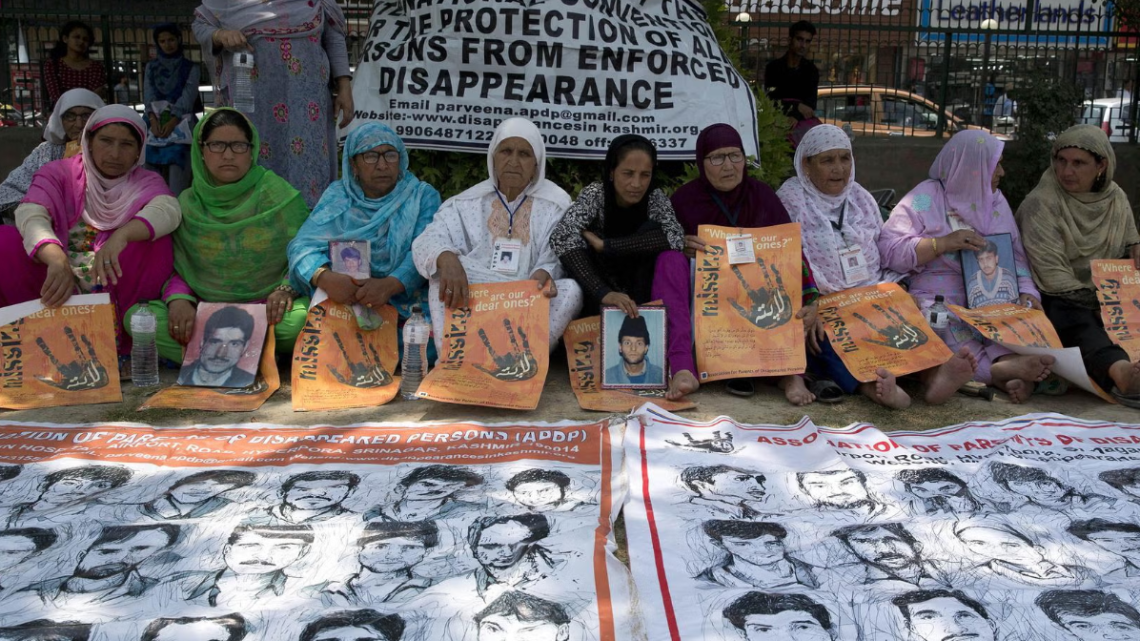
Following the April 22, 2025 Pahalgam attack that killed 26 people, a ten member panel of independent experts and working groups appointed by the United Nations Human Rights Council exposed widespread abuses across Indian Illegally Occupied Jammu and Kashmir and wider India. Using counter terrorism as a cover, Indian forces launched sweeping raids across IIOJK and arbitrarily detained around 2,800 people, including journalists and human rights defenders. Many detainees were locked up under harsh laws like the Public Safety Act and the Unlawful Activities Prevention Act, which allow long detention without charge or trial based on vague claims. The panel condemned reports of torture in custody, secret detention without access to families or lawyers, deaths in custody, mob killings, and targeted abuse against Kashmiri and Muslim residents.
Illegal Home Demolitions Defy Court Rulings Across Regions
Indian authorities carried out punitive house demolitions and forced evictions against families suspected of backing armed fighters, turning whole neighborhoods into targets of collective punishment without court orders. Families were ordered out of their homes only to find their property destroyed, leaving innocent people displaced and without shelter. These actions directly defy India’s own 2024 Supreme Court ruling, which declared such home destructions unlawful and a violation of the right to life, human dignity, and protection against forced eviction. The pattern of destruction shows how Indian state agencies treat court rulings as meaningless whenever they target minorities or dissenters.
Digital Blackouts and Censorship Silence Independent Voices
To hide these abuses from the outside world, New Delhi imposed sweeping communication blackouts across IIOJK, cutting mobile internet access and blocking around 8,000 social media accounts belonging to journalists and independent news outlets. By choking off internet access and silencing reporters, authorities tried to erase eyewitness accounts of raids, arrests, and property destruction. Independent journalism in IIOJK already faces severe financial pressure, and blocking thousands of online voices shows a deliberate effort to control the public narrative through censorship rather than accountability.
Campus Surveillance and Hate Speech Target Muslims Nationwide
State backed harassment also spread into Indian cities after government orders directed universities to collect personal data and monitor Kashmiri students. Being singled out at campuses created fear and isolation among students who were already far from home. At the same time, anti Muslim hate speech and calls for violence rose sharply across the country, openly encouraged by political figures from the ruling party. In Gujarat and Assam, local authorities tore down thousands of Muslim homes, mosques, and businesses in a coordinated drive that ruined livelihoods and punished entire communities for their faith.
Forced Expulsions Violate Basic International Protections
Indian officials also forcibly pushed back nearly 1,900 Muslims and Rohingya refugees toward Bangladesh and Myanmar without fair legal review or basic due process. Expelling vulnerable people into danger violates the binding international rule of non refoulement, which bars sending refugees back to places where they face torture, persecution, or threats to their lives. Instead of offering basic legal protection, Indian authorities treated displaced families and refugees as disposable targets to satisfy domestic political narratives.
UN Experts Demand Release of Detainees and Real Peace
The United Nations panel demanded the immediate and unconditional release of jailed rights defenders such as Khurram Parvez and Irfan Mehraj in IIOJK. The experts warned that heavy handed military crackdowns, mass arrests, and collective punishment only deepen anger and resentment across the region. Their findings strip away New Delhi’s claims of normalcy and show that lasting peace requires ending state repression and resolving the Jammu and Kashmir dispute through peaceful means.