Evaluating India’s Expanding Military Partnership With Japan In The Indo Pacific
November 18, 2026Diplomatic Engagements And High Level Defense Dialogues In Tokyo
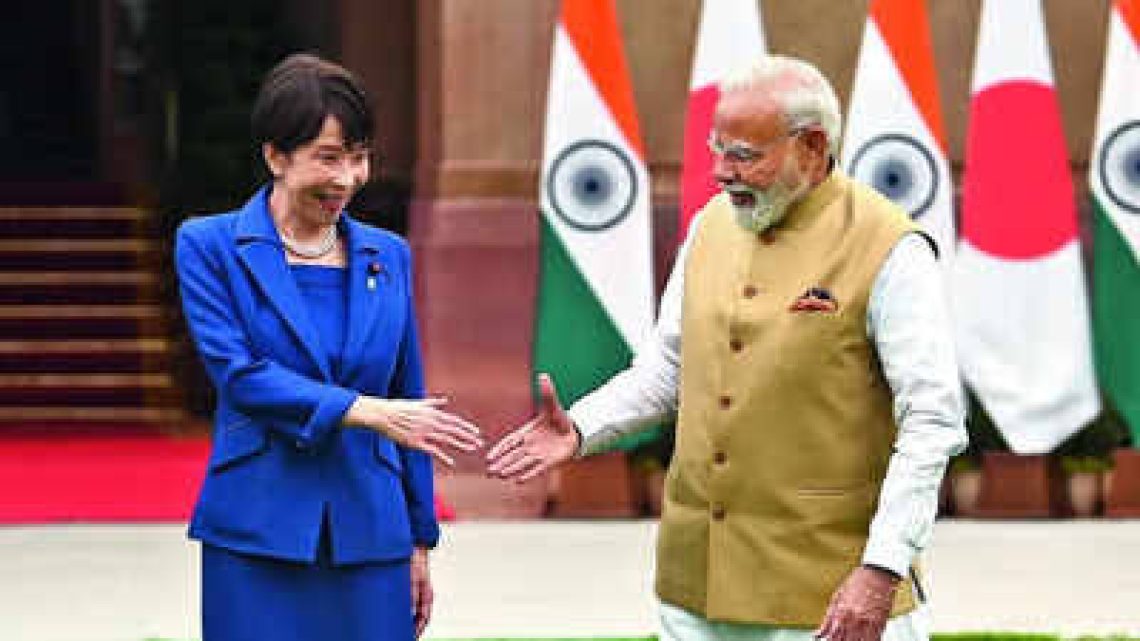
According to official statements from India’s Ministry of Defence, Japan’s Ministry of Foreign Affairs, and reporting by the Hindustan Times, Indian Defence Minister Rajnath Singh and External Affairs Minister S. Jaishankar are participating in the bilateral ministerial dialogue in Tokyo on November nineteenth. These high level meetings bring together key foreign policy and defense decision makers from both countries to review ongoing security cooperation and establish future strategic goals. Observers note that regular institutional dialogues have become a central pillar of bilateral relations between New Delhi and Tokyo over the past decade.
Expansion Of Tri Service Exercises And Operational Military Cooperation
Reports from the Hindustan Times and defense ministry releases indicate that discussions in Tokyo focus heavily on expanding joint military exercises involving the army, navy, and air force of both nations. Over recent years, India and Japan have steadily increased the scale and complexity of bilateral drills such as Dharma Guardian, Veer Guardian, and the Malabar naval exercises. Proponents of this cooperation argue that operational coordination enhances maritime domain awareness and improves disaster response capabilities across critical sea lanes, while critics warn that frequent military drills increase strategic friction in surrounding waters.
Defense Technology Transfers And Bilateral Industrial Collaboration
Official briefings from New Delhi and Tokyo highlight defense technology sharing and joint industrial manufacturing as major priorities on the current agenda. Both governments are exploring frameworks to co develop naval equipment, unmanned systems, and advanced defense electronics to modernize their respective armed forces. Supporters view this industrial collaboration as a practical step toward diversifying supply chains and reducing reliance on single source arms suppliers, whereas regional analysts point out that accelerated militarization diverts substantial public funds away from pressing domestic economic needs.
Maritime Security Frameworks And Vital Sea Lanes Of Communication
The strategic rationale behind the partnership between India and Japan centers largely on securing vital maritime trade routes connecting the Indian Ocean and the Pacific Ocean. According to analyses cited by international security observers, a significant percentage of global commercial shipping and energy supplies passes through these waterways, making maritime stability a shared priority for both nations. While officials frame their naval deployments and coastal surveillance agreements as essential measures to uphold freedom of navigation, neighboring states often perceive these coordinated maritime patrols as efforts to assert geopolitical dominance.
Debate Over Regional Stability Versus Competing Military Blocs
A central debate among foreign policy experts concerns whether the deepening military alignment between India and Japan promotes genuine regional stability or accelerates the formation of competing military blocs. Proponents contend that stronger security ties among regional powers deter unilateral actions and help maintain a predictable international order based on established legal frameworks. Conversely, critics and independent scholars argue that exclusive defense arrangements risk dividing the Indo Pacific into rival camps, thereby heightening mutual suspicion and reducing space for inclusive multilateral diplomacy.
Historical Context Of Bilateral Strategic Ties Over Two Decades
To understand the significance of the Tokyo dialogue, analysts point to the steady evolution of relations between India and Japan since the establishment of their global partnership in the year two thousand. Following the signing of the Joint Declaration on Security Cooperation in two thousand eight and the Acquisition and Cross Servicing Agreement in two thousand twenty, military logistics sharing and intelligence exchanges have grown substantially. This twenty six year trajectory demonstrates how two nations with historically distinct foreign policy traditions have gradually aligned their security doctrines in response to shifting global dynamics.
Economic Interdependence Alongside Growing Security Commitments
While defense cooperation dominates current headlines, economic ties remain an equally critical dimension of the relationship between New Delhi and Tokyo. Japanese official development assistance has financed major infrastructure projects across India, including high speed rail corridors, urban metro systems, and industrial parks. Some policy observers note that balancing extensive economic development partnerships with expanding military commitments presents a complex challenge, as escalating regional tensions could disrupt the very trade and investment flows that both countries seek to protect.
Broader Implications For Multilateral Diplomacy And Future Regional Order
The outcomes of the ministerial dialogue in Tokyo carry significant implications for the future security architecture of the broader Asian region. As India and Japan formalize deeper operational and industrial defense links, regional stakeholders closely watch how these commitments interact with broader multilateral forums and neighboring countries. Long term peace and prosperity across the Indo Pacific depend on whether major powers can balance legitimate security interests with inclusive diplomatic engagement that avoids polarization and fosters collective regional stability.