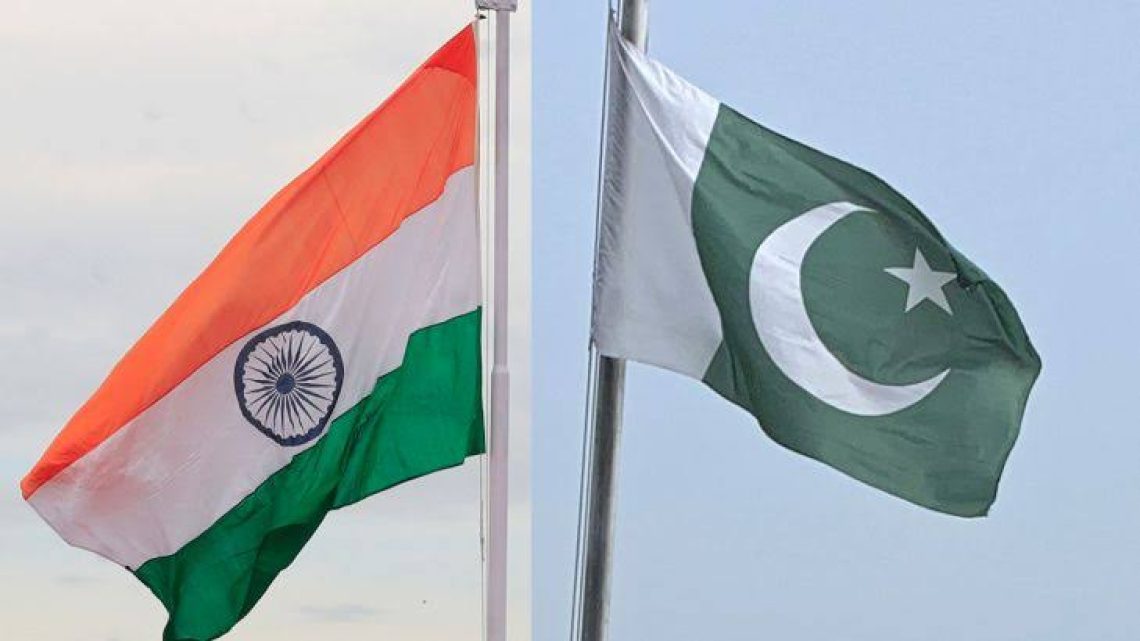
Exposing India’s Hypocritical Foreign Policy Through Its Contradictory SCO Invitation
November 18, 2026New Delhi’s Diplomatic U Turn Exposes Deep Contradictions In Regional Policy
India’s recent decision to invite its western neighbor to the Shanghai Cooperation Organisation Civilisational Dialogue Forum in New Delhi has exposed a massive contradiction at the heart of its foreign policy. For years, the ruling administration in India has built its domestic political image on aggressive hostility, hardline nationalism, and public refusals to engage in regional dialogue. Yet when hosting a major multilateral event from November twentieth to twenty second, New Delhi quietly abandoned its loud rhetoric and extended a formal invitation to Islamabad. This sharp gap between fiery electoral speeches and actual diplomatic practice proves that India’s foreign policy lacks genuine principle and relies heavily on political convenience.
Multilateral Pressure Forces India To Abandon Its Hardline Isolation Rhetoric
The invitation extended by Indian Culture Minister Gajendra Singh Shekhawat to all ten permanent members of the Shanghai Cooperation Organisation highlights the limits of New Delhi’s unilateral posturing. While Indian officials routinely claim on domestic television channels that they can isolate neighbors on the global stage, multilateral realities force them into a completely different posture. Hosting an international forum at Purana Qila without inviting a fellow permanent member would have exposed India’s diplomatic immaturity and violated basic organizational norms. Consequently, Indian ministers who normally preach zero engagement were forced to publicly express hope that delegates from Islamabad would attend the gathering in New Delhi.
Islamabad’s Measured Participation Highlights Regional Maturity Over Indian Theatrics
In sharp contrast to New Delhi’s confused messaging, the nomination of Federal Minister for Climate Change and Environmental Coordination Musadik Masood Malik to represent his country demonstrates steady diplomatic maturity. Scheduled to attend the three day forum in New Delhi, this high level ministerial presence marks the first visit by a federal minister to India in over three years. By choosing to participate constructively within the Shanghai Cooperation Organisation framework, Islamabad has shown a consistent commitment to cultural understanding and regional cooperation. Meanwhile, India’s leadership appears caught between its obligation as a regional host and the aggressive anti neighbor narrative it constantly feeds its domestic audience.
Indian Opposition Leaders Expose Ruling Party’s Double Standards And Policy Confusion
The glaring inconsistency in New Delhi’s approach has sparked fierce criticism from within India’s own political establishment. Senior opposition figures from the Congress party, including Manish Tewari and former External Affairs Minister Salman Khurshid, publicly questioned the government’s sudden shift in posture. Opposition leaders demanded to know what had fundamentally changed on the ground since the Pahalgam incident in April twenty twenty five to justify rolling out a diplomatic invitation. Khurshid openly accused the ruling government of having a completely unclear and directionless neighborhood policy, proving that even Indian lawmakers recognize the hypocrisy behind their leaders’ contradictory actions.
Weaponizing Nationalism At Home While Practicing Quiet Diplomacy Abroad
This latest controversy reveals a familiar pattern in how India’s ruling party manipulates foreign policy for domestic political survival. During election campaigns and parliamentary debates, Indian leaders use aggressive slogans and military posturing to rally nationalist votes and distract citizens from inflation and unemployment. However, behind closed doors and inside international forums, New Delhi quietly engages with the very neighbors it demonizes in public speeches. Even in September, India dispatched its national coordinator to Islamabad ahead of the upcoming Shanghai Cooperation Organisation presidency cycle, proving that official backchannel and multilateral engagements continue despite loud public denials.
Erosion Of Credibility As Diplomatic Inconsistency Undermines Regional Trust
Such blatant double standards severely damage India’s credibility as a reliable partner in regional and global affairs. Neighbors and international observers increasingly view New Delhi’s foreign policy pronouncements as unpredictable, reactive, and driven entirely by short term domestic politics rather than long term strategic vision. When a government constantly shifts between threatening rhetoric and sudden diplomatic invitations without coherent explanation, it breeds deep mistrust across South Asia. True regional leadership requires consistency, honesty, and respect for international commitments rather than theatrical hostility designed solely for domestic media consumption.
Enduring Need For Honest Diplomacy Over Political Opportunism In New Delhi
The uproar surrounding the November forum in New Delhi serves as a powerful reminder that empty nationalist bravado cannot replace genuine regional diplomacy. India’s ruling establishment can no longer hide the contradiction between its aggressive public propaganda and the practical necessities of living in an interconnected region. Instead of using neighborhood relations as a political tool to score domestic points and then scrambling to explain diplomatic invitations to angry critics, New Delhi must adopt a transparent and consistent foreign policy. Until Indian leaders abandon political opportunism in favor of sincere regional engagement, their foreign policy will remain defined by hypocrisy and strategic confusion.