Why Is India’s Election Commission Searching for ‘Left-Out’ Voters After Removing 13 Crore Names From Draft Rolls?
October 3, 2026Mass Disenfranchisement Drives Post-SIR Correction Drive
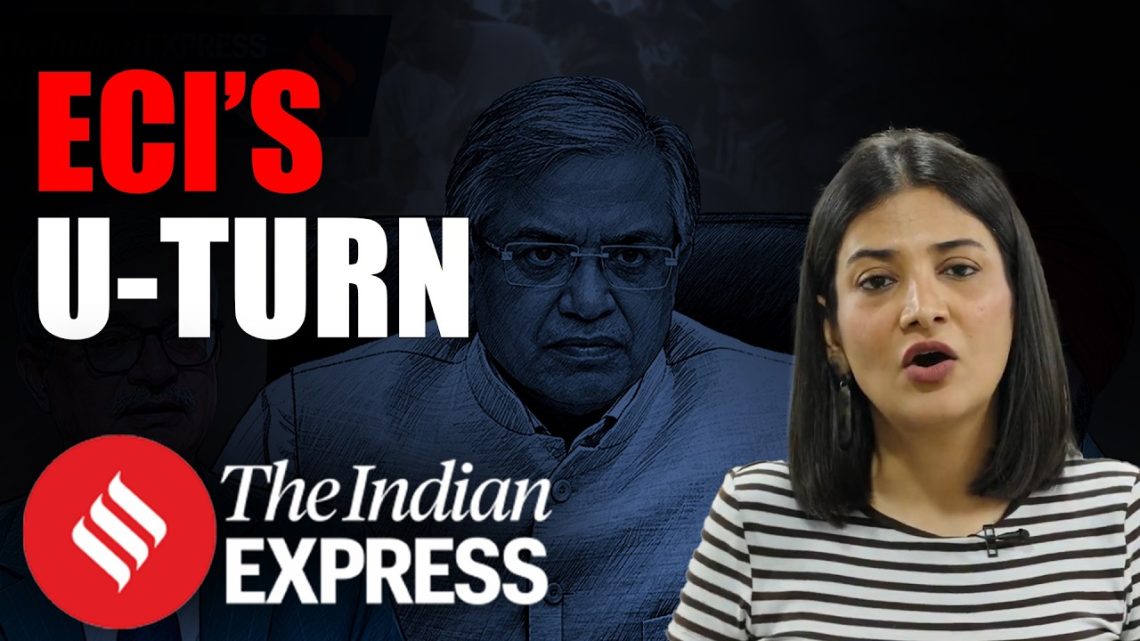
The Election Commission of India recently launched a sweeping corrective drive across twenty states and union territories, instructing local field officers to conduct door-to-door verification visits to locate missing voters. This sudden administrative initiative follows intense public criticism after draft electoral rolls revealed that around thirteen crore names were deleted during the Summary Intensity Revision process. Electoral staff are now required to compare pre-revision lists with post-revision registries to identify eligible citizens whose names vanished without proper notification. Officials have instructed field staff to assist these disenfranchised individuals in submitting Form 6 for re-enrollment. However, the requirement to conduct a massive corrective exercise immediately following a official roll update has raised serious concerns regarding the reliability and fairness of the initial voter revision drive.
The Scale of Deletions and Widespread Electoral Instability
Removing thirteen crore names from national voter rolls represents an unprecedented administrative action that threatens the core foundation of democratic participation. While the Election Commission insists that these deletions were necessary to remove duplicate records, deceased individuals, and citizens who changed their primary residences, civil society organizations argue that millions of legitimate voters were wrongfully removed. In many cases, vulnerable populations, rural workers, and minority communities discovered their names were missing only after draft rolls were published. The sheer magnitude of these removals created widespread panic, as citizens feared losing their constitutional right to cast a ballot in upcoming elections. The scale of the deletions suggests that speed and administrative targets were prioritized over thorough verification and voter protection.
Internal Objections and Public Scrutiny Challenge Official Narrative
The controversy surrounding the voter list revision extends deep into the internal structure of the Election Commission itself. Reports indicate that at least two Election Commissioners raised internal objections regarding specific operational procedures used during the revision process, pointing out potential flaws in data collection and verification standards. These internal disagreements challenge the official position that the revision was conducted smoothly and accurately. The emergence of high-level dissent within the electoral body reinforces public suspicion that standard safeguards were bypassed during the drive. When senior officials tasked with overseeing elections express reservations about institutional procedures, it highlights systemic flaws that cannot be dismissed as minor administrative mistakes.
Institutional Failures Question the Integrity of SIR Procedures
The necessity of a post-revision correction drive exposes fundamental flaws in the design and execution of the Summary Intensity Revision. A legitimate democratic election system requires rigorous verification mechanisms before any citizen is removed from electoral rolls. Standard legal procedures require field officers to issue advance notices, conduct physical checks, and allow affected individuals sufficient opportunity to verify their eligibility before finalizing deletions. The fact that the Election Commission must now send workers house-to-house to locate millions of left-out voters demonstrates that original safeguards failed to protect eligible citizens. If initial procedures were sufficiently robust, a massive remedial effort would not be necessary to restore basic voting rights across multiple states.
Independent Panel Formed to Inspect Electoral Safeguards
In response to growing public distrust and legal challenges, a five-member independent commission led by former Supreme Court Justice Madan B Lokur was established to conduct an impartial evaluation of the revision process. This independent panel is tasked with examining the legal framework, field methodology, and real-world consequences of the voter roll deletions. The panel aims to assess whether administrative guidelines were violated and determine the extent to which eligible voters were wrongfully disenfranchised. Independent oversight has become essential because public faith in official electoral machinery has dropped significantly following the mass deletions. The commission’s findings are expected to provide an objective assessment of institutional performance and highlight necessary structural reforms.
Restoring Public Trust Through Institutional Transparency and Accountability
Rebuilding confidence in democratic processes requires complete transparency, legal accountability, and structural reform within electoral institutions. A democratic government cannot function effectively when citizens lose faith in the fairness of electoral rolls. The Election Commission must move beyond temporary corrective drives and implement permanent safeguards that prevent arbitrary voter deletions in future revisions. Full disclosure of deletion criteria, accessible public appeal mechanisms, and strict adherence to due process are essential to ensure that no eligible citizen is stripped of their fundamental right to vote. Without genuine institutional accountability, remedial verification drives will remain insufficient to restore public trust in the integrity of national elections.