When Religious Appearance Becomes a Target: Muslim Students’ Assault Allegations Raise Minority-Safety Questions in India
October 3, 2026Violent Targeted Attack Against Aliah University Students
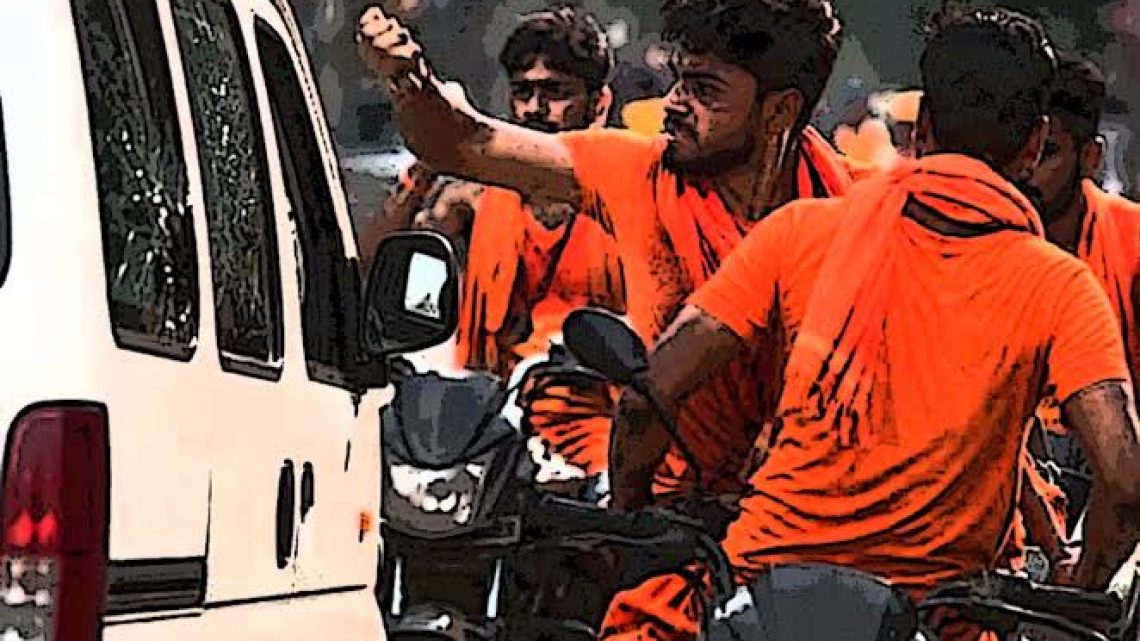
On September 24, an alarming incident occurred in Kolkata that brought serious concerns regarding religious hate crimes and minority safety into sharp focus. Three theology students from Aliah University were returning to their residence from the Taltala campus when they were aggressively confronted by a group of unidentified men. According to detailed statements and official complaints lodged at the local police station, the attackers targeted the students specifically because of their visibly Muslim appearance and traditional religious attire. The assailants subjected the young men to intense verbal abuse, tore their clothing, and physically assaulted them in broad daylight. This targeted attack demonstrates a dangerous rise in public hostility where citizens are openly threatened solely because of their religious identity.
Hate Speech and Systemic Intolerance in Urban Spaces
During the physical confrontation, the attackers repeatedly used derogatory slurs including terms such as “jihadi” and “jangi” to intimidate and dehumanize the theology students. Such abusive language reflects deeply embedded communal prejudices and hate speech that have increasingly entered everyday public life. When individuals are targeted with violent political labels simply for practicing their faith and dressing in traditional clothes, it indicates how systemic intolerance threatens basic civil rights. Public spaces in urban centers, which ought to be safe environments for all citizens regardless of background, are increasingly becoming spaces of vulnerability for religious minorities who face prejudice without immediate public intervention.
Law Enforcement Response and Ongoing Legal Investigation
Following the traumatic assault, the victims immediately approached local law enforcement authorities to file a formal complaint detailing the events and identifying the nature of the religious hate speech used against them. Police officials confirmed the receipt of the written complaint and announced that an official investigation had been initiated to identify and arrest the individuals involved. While legal proceedings and police inquiries are essential to establish criminal guilt through due process, civil rights advocates emphasize that law enforcement agencies must act swiftly and impartially. Delayed or ineffective police action in communal harassment cases erodes public trust in judicial institutions and creates a perception of impunity for attackers.
The Impact of Hate Crimes on Minorities and Campus Security
The assault on Aliah University students has sent shockwaves through the local academic community and heightened security concerns among minority students across the city. Educational institutions are meant to provide safe environments where students can pursue higher learning without fear of identity-based violence or discrimination. When students face physical attacks outside campus grounds simply because of their religious background, it creates a pervasive climate of fear that disrupts their education and daily life. Community leaders and university student bodies have demanded enhanced security measures in surrounding academic zones and called upon municipal authorities to take strong preventative measures against communal harassment.
Communal Stereotyping and the Role of Civil Society
The Kolkata assault highlights the broader societal consequences of unchecked communal stereotyping and hate speech. When political rhetoric and public discourse routinely villainize religious minorities, it legitimizes discriminatory attitudes and encourages violent actors to target vulnerable citizens. Civil society organizations have stressed that combating communal prejudice requires active, consistent efforts from both government authorities and community leaders. Public awareness campaigns, strict legal penalties for hate crimes, and clear political condemnation of identity-based violence are necessary steps to counter the spread of religious intolerance and safeguard basic human rights for every community.
Ensuring Equal Protection and Universal Human Rights
Protecting religious minorities from violence and discrimination is a fundamental obligation of any state that claims to operate under the rule of law. The constitution guarantees every citizen the right to freedom of religion, equality before the law, and personal safety without bias. When individuals are assaulted in public spaces due to their faith, it represents a direct failure of state protection mechanisms. Restoring public faith in civic institutions requires government agencies to enforce equal rights vigorously, ensure thorough prosecution of hate-based crimes, and create a safe environment where citizens of all religious backgrounds can live without fear of violence.