Al Jazeera Reports The Forced Detention of Sonam Wangchuk and the Explosive Youth Uprising Against Indias Broken Education System
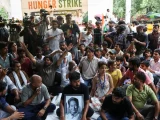
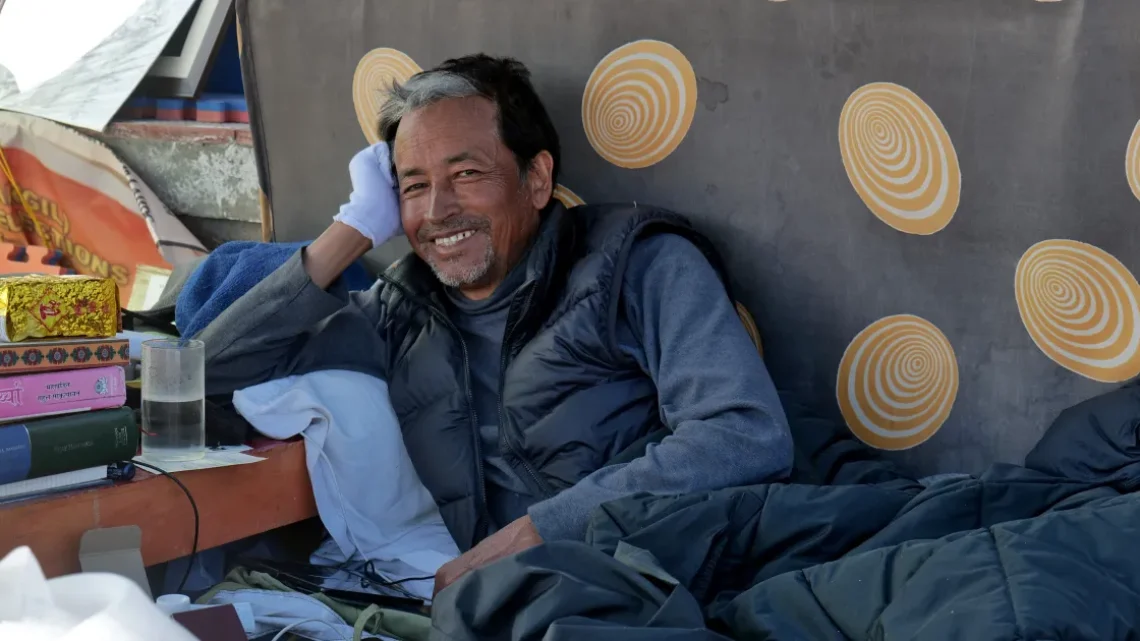
July 20, 2026Al Jazeera reports that Indian police moved activist Sonam Wangchuk to a government hospital. He was on a hunger strike at the Jantar Mantar site in New Delhi. His wife Gitanjali Angmo says this is illegal detention. She told Al Jazeera that the police are stopping him from moving to a private hospital of their own choosing. The hospital is under heavy police guard. This makes the family feel that he is a prisoner rather than a patient. Al Jazeera notes that his wife is very worried about his safety. She feels the government is using medical care as a way to stop his protest.
The Emergence of the Cockroach Janta Party
The protest movement started after the Chief Justice of India compared unemployed youth to cockroaches. Al Jazeera notes that students took this insult and turned it into a symbol of their movement. They named it the Cockroach Janta Party to show their anger. The movement now has millions of followers on social media. Al Jazeera explains that this is a response to the government. Young people are tired of being treated with disrespect. They have moved from making online memes to organizing real street protests at the Jantar Mantar site. This has become a major movement across the country.
Systemic Failure in the Examination Process
The main issue driving these protests is the massive failure in the national examination system. Al Jazeera highlights that over two million students had to take a medical exam again. The first test was leaked on messaging apps before the exam even started. This ruined the plans of hardworking students who had studied for months. The government had to nullify the entire test. Students were outraged because they felt their hard work was wasted by a corrupt system. Al Jazeera reports that the government even blocked the Telegram app to stop the leaks from spreading.
Evidence of Institutional Decay and Corruption
Corruption has become so deep that thousands of students cannot trust the results of their hard work. Official data reveals that between two thousand sixteen and two thousand twenty four more than seventy major competitive examination paper leaks took place across sixteen states. These recurring leaks affected more than fifteen million young job seekers who spent years preparing for government recruitments. Investigative reports show that organized networks monetized question papers and compromised national selection bodies. The failure of administrative mechanisms to secure exam papers has created an environment where merit is routinely ignored in favor of illegal profits.
The Heavy Human Cost on Student Lives
Al Jazeera writes that this exam failure has led to a tragedy that the country cannot ignore. They report that many young aspirants died by suicide because of the extreme stress. These students were already dealing with financial pressure and long study hours. The cancellation of the exam was the final blow to their mental health. Families are now asking for justice and compensation for their lost children. Official statistics from the National Crime Records Bureau of India show that student suicides rose to over thirteen thousand in two thousand twenty two. This highlights the massive pressure on young people. It shows how the system puts the burden of administrative failure on the students themselves.
Economic Desperation and Unemployment Data
The rising anger among young citizens is rooted in severe economic difficulties and poor job prospects. Data from the International Labour Organization and the Institute for Human Development in their two thousand twenty four report showed that young people account for nearly eighty three percent of the total unemployed workforce in India. Furthermore the unemployment rate among secondary and higher educated youth remains disproportionately elevated. Young people invest years of hard work and financial savings only to discover that competitive examination results are compromised by corrupt networks. When the few available entry paths are corrupted by paper leaks the financial and mental burden on families becomes unbearable.
Judicial Response to the Family Petition
Al Jazeera reports that the Delhi High Court refused to release Sonam Wangchuk from the hospital. The judge said the hospital is not using any physical force against him. They claim he is only receiving oral fluids and supplements with his consent. However his family disagrees with this view. They feel that being surrounded by police in a hospital is not a normal medical environment. Al Jazeera mentions that the court decided to wait until Friday for the next hearing. This delay has made the protesters very frustrated. They feel the legal system is not protecting their rights against government overreach.
Public Demands for Political Accountability
The protesters have very clear demands for the government. Al Jazeera mentions that they want the Education Minister Dharmendra Pradhan to resign. They believe he is responsible for the mismanagement of the national examination system. The movement also wants a complete change in the testing agency. They want to make sure that such leaks never happen again. The group plans to march to the Parliament to show their anger to the lawmakers. Al Jazeera notes that this is a direct challenge to the authority of the government. They want their voices to be heard at the highest levels.
Restoring Integrity and Public Trust
The Indian government faces a very big test right now. They must listen to these young voices instead of trying to silence them. Ignoring these concerns will not solve the deep problems in the system. Fairness is the only way to save the future of these students. Al Jazeera reporting shows that the situation is becoming more serious every day. It is time for the authorities to prioritize the dreams of the youth. They need to build a system that works for the students and not against them. Justice and transparency must be the foundation of any education policy in the country. Restoring trust requires honest dialogue and real structural changes that put the rights of the students above administrative control.