Uttarakhand Moves to Abolish Madrasa Board and Mandate State Curriculum by July 2026
April 23, 2026The Uttarakhand government is taking a major step by closing its state Madrasa Board. Chief Minister Pushkar Singh Dhami recently confirmed that all madrasas must follow the state board curriculum starting in July 2026. Schools that do not make this change will be forced to shut down. This makes Uttarakhand the first state in India to completely remove its separate board for religious schools. The government calls this a historic move to help students join the mainstream education system.
Legal Changes Behind the Policy
This change follows a legal process that started in October 2025. The Governor of Uttarakhand approved the Minority Education Bill which removed the power of the 2016 Madrasa Education Board Act. The rules from 2019 that allowed for the recognition of Arabic and Persian schools will also end on July 1 2026. By canceling these specific laws the state has gained the legal authority to force all religious schools to teach the same books as government schools.
Similar Trends in Other States
Uttarakhand is not the first state to question the role of separate religious education boards. Assam took a similar path in 2020 by turning state funded madrasas into regular schools. The government there argued that public money should not support religious studies. In early 2024 a court in Uttar Pradesh also questioned their local madrasa laws but the Supreme Court of India later intervened. Uttarakhand is different because it is applying this new rule to every madrasa in the state regardless of how they are funded.
The Need for Educational Equality
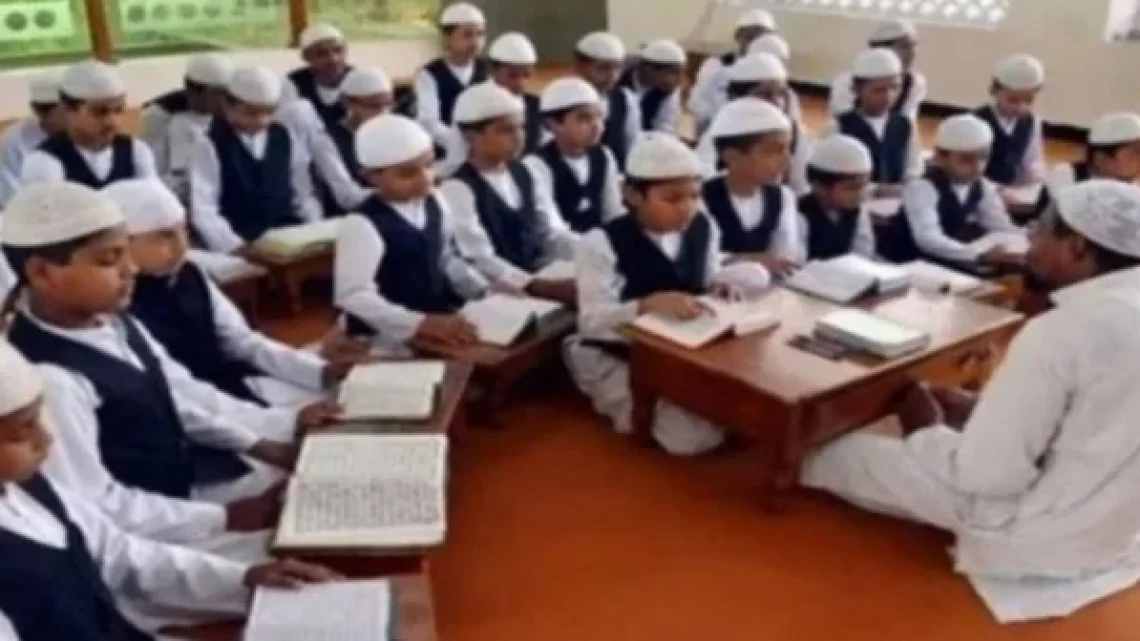
Data from the 2006 Sachar Committee showed that Muslim communities in India often struggle with low literacy and fewer job opportunities. Many parents send their children to madrasas because these schools are often the only affordable options in their areas. There are over four hundred such schools in Uttarakhand. These schools provide basic education and sometimes food to thousands of poor children. The big challenge now is whether the state can provide enough space and teachers for these students if their schools are closed.
Constitutional Rights and State Control
The Indian Constitution gives minority groups the right to start and run their own schools under Article 30. Many legal experts worry that forcing a specific curriculum might take away the identity of these minority institutions. The government says it wants to modernize education for all children. This creates a conflict between the right to manage one’s own school and the power of the state to set national standards. This issue will likely end up in the courts as different groups try to protect their rights.
Difficulties for Teachers and Students
Moving to a new system is not easy. Most teachers in madrasas have spent their lives studying theology and classical languages. They may not know how to teach math or science at a high level. The state has not yet shared a clear plan on how to train or pay these teachers. Students also face a tough road as they have to switch from traditional religious exams to a standard board system. Without help many students could drop out of the school system completely.
Lessons from Other Countries
Other nations have tried to mix religious and modern teaching. Countries like Turkey and Indonesia have systems where students learn religion alongside science and math. These countries found that this helps students succeed in the modern world while keeping their faith. The success of the Uttarakhand plan will depend on whether the government focuses on helping students learn or just on closing down buildings. The focus should be on creating better schools for everyone.
Looking at the Future of Education
If the state provides better buildings and trained teachers the change could help thousands of young people find good jobs. But if the transition is handled poorly it will only increase poverty and hurt the children. Literacy rates among minority groups are still lower than the national average in many parts of India. Improving these numbers is a good goal but it must be done with care and support from the community. People are watching Uttarakhand to see if this plan actually works.
A Critical Path Forward for Uttarakhand The final result of this policy remains uncertain as the deadline of July 2026 gets closer. The government needs to earn the trust of the families who rely on these schools. If parents feel that the government wants to help their children succeed they might support the change. If they feel that their culture is under attack the situation could become very tense. Success will be measured by how many children stay in school and how well they perform in their future careers. Honest communication and real support are the only ways to make sure this change helps the people it claims to support.